The Army Corps of Engineers on Monday proposed a $1.75 billion plan to protect the Charleston peninsula from hurricane storm surge, built around a wall that would encircle much of the city’s historic core.
The draft study by the Corps’ Charleston District picked its recommended plan from seven alternatives. It calls for a perimeter storm surge wall designed to withstand earthquakes, an offshore structure to slow waves and smaller measures such as raising homes, according to the Corps.
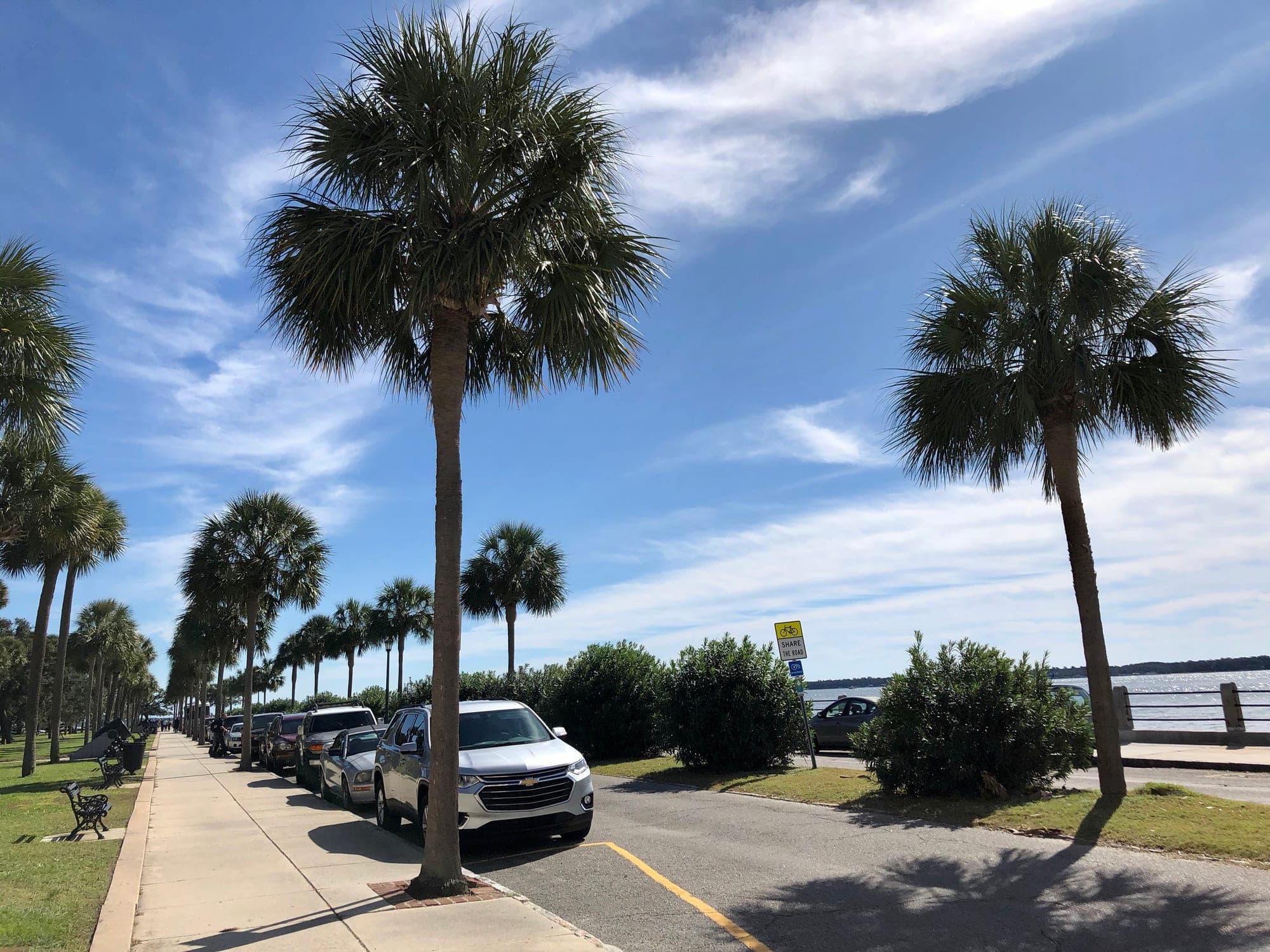
The wall would run almost 8 miles, The Post and Courier reported. It would start near Interstate 26 north of Wagener Terrace, follow the Ashley River, wrap around the peninsula’s southern tip along the existing Battery seawall, then run north along the Cooper River and up Morrison Drive. Gates would stay open until a storm threatens, and five pump stations would move rainwater out.
The Corps modeled the wall at an elevation of 12 feet, compared with 9 feet for the High Battery. Its height above ground would vary with the land.
The Corps said coastal storms threaten the city’s economy, including “impacts to businesses, organizations and industry.” Not everything would be inside the wall. State Ports Authority facilities on the peninsula’s east side, Magnolia Cemetery, several industrial sites and some breweries would be outside it, the newspaper reported.
The city would owe about $600 million under current estimates, according to the Corps. The newspaper said that is about 2½ times the city’s entire budget this year. Mayor John Tecklenburg called the plan the first instance of “meaningful federal participation” in dealing with sea level rise.
The project still needs authorization and money from Congress. The Corps paid for the study with $3 million in federal emergency supplemental funding it received in 2018. It said the city would not have to share costs until the next phase, preliminary design, which Congress would have to fund, in 2022 or 2023 at the earliest.
The public can comment through June 19. The Corps plans to refine the plan, including the wall’s height and route, into early 2021.