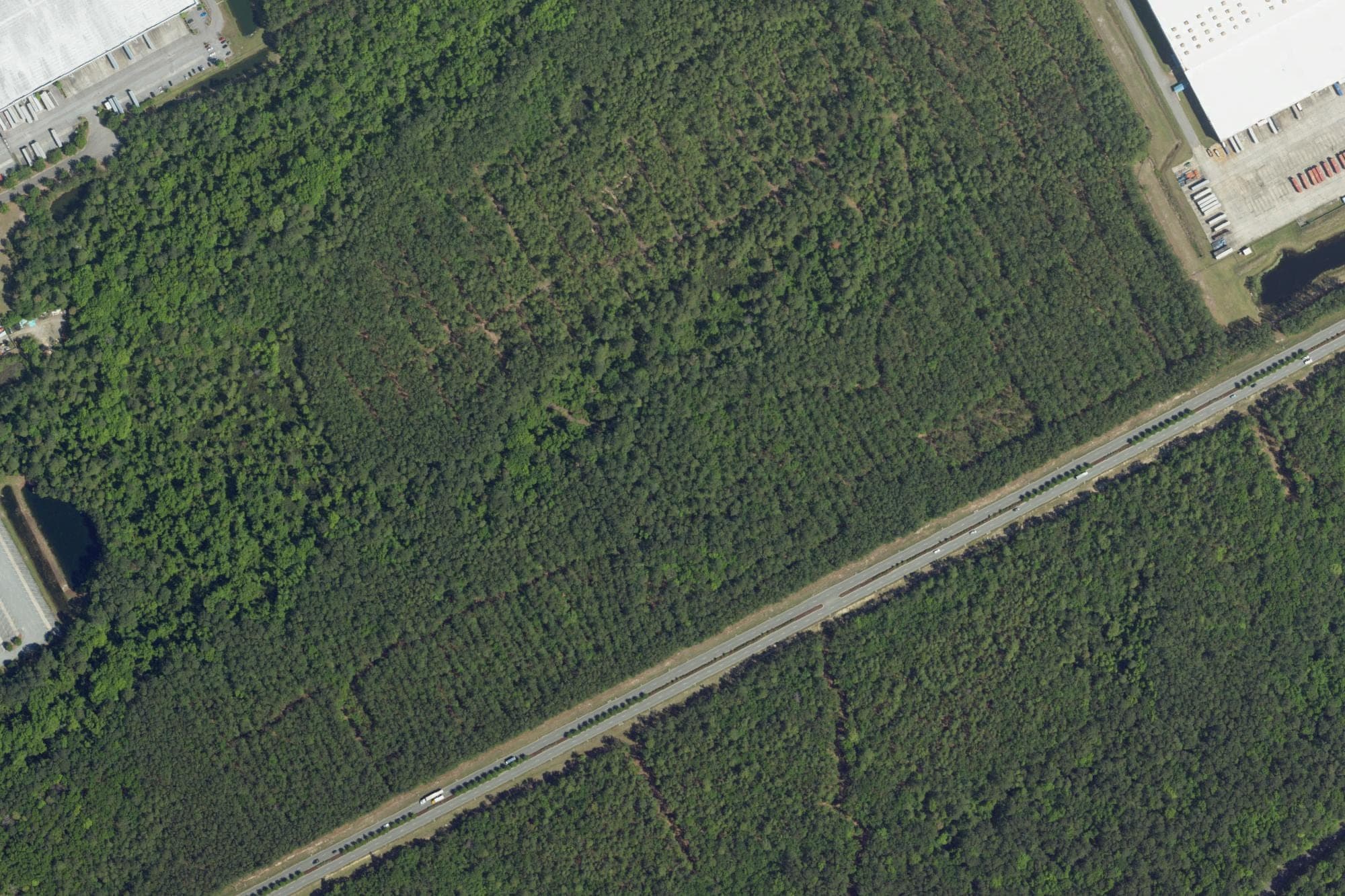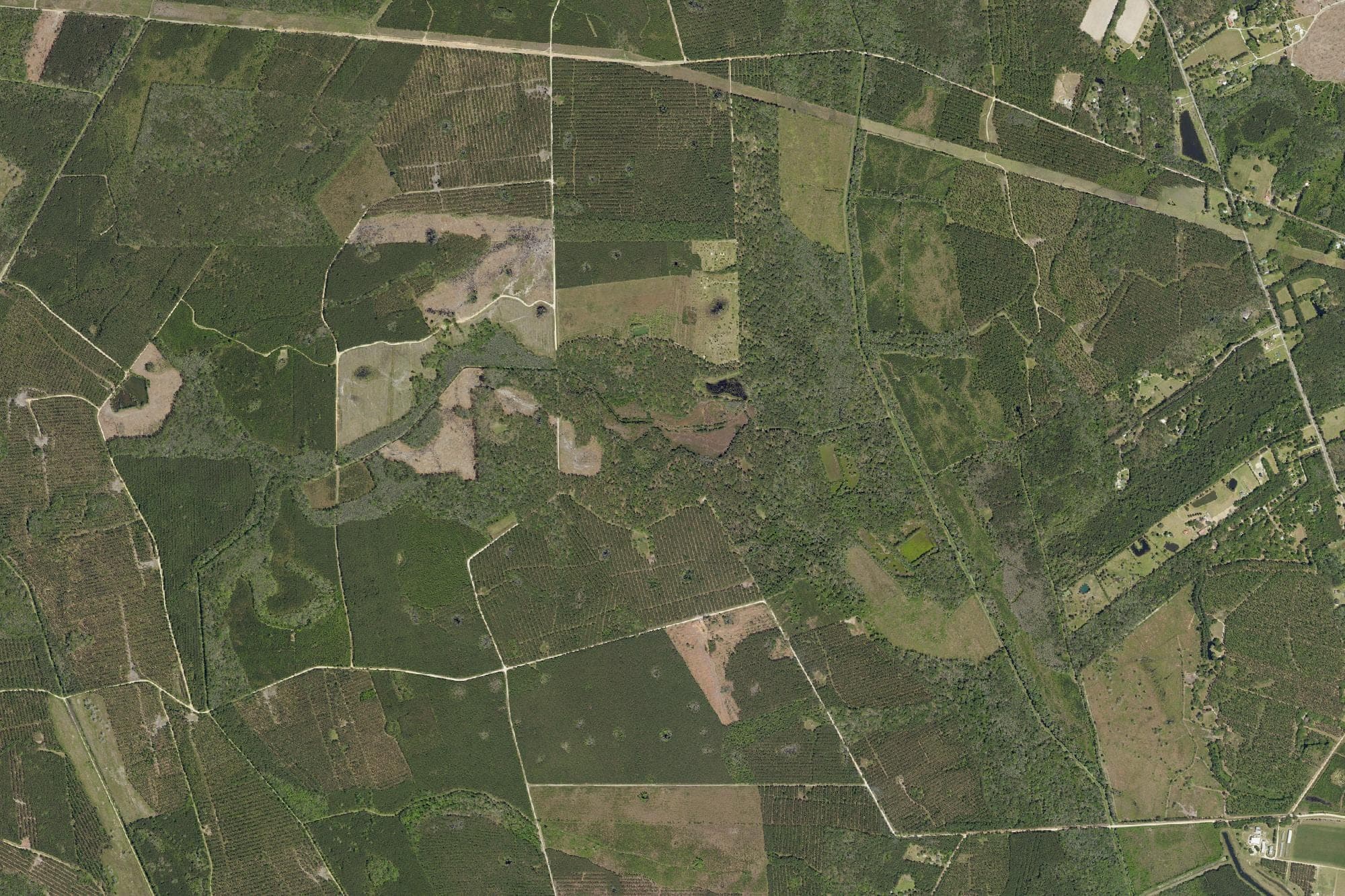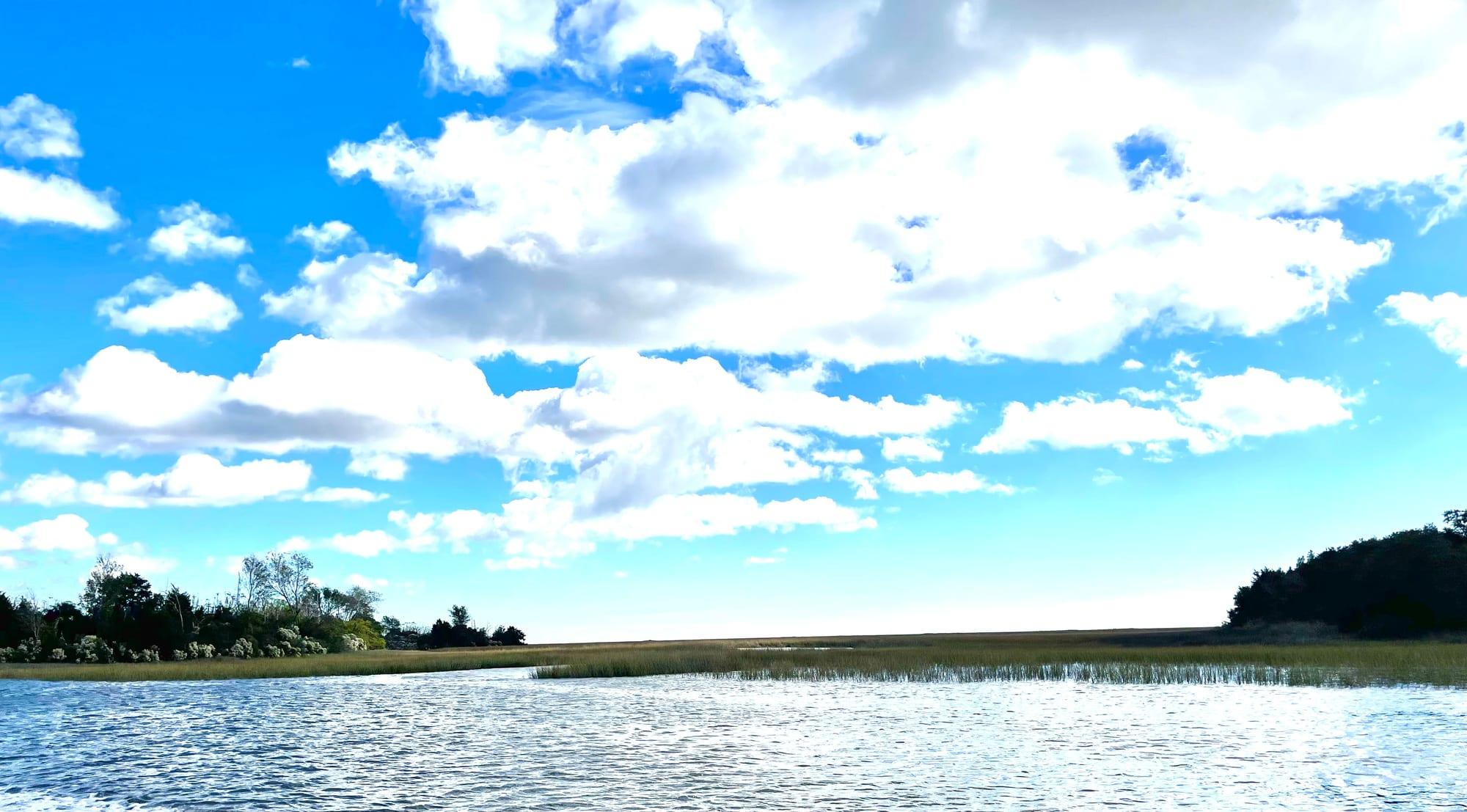
A homebuilder and several Lowcountry conservation groups have settled their long dispute over the White Tract in Awendaw, an agreement that would permanently protect more than 200 acres on the edge of the Cape Romain National Wildlife Refuge, WCSC Live 5 reported Nov. 6.
Under the agreement, Pulte Home Company has agreed to sell the tract to the Open Space Institute for permanent conservation, and the South Carolina Environmental Law Project will dismiss its pending legal challenges, according to a joint release from the law project, the Coastal Conservation League, Charleston Waterkeeper and Friends of Coastal South Carolina.
The tract covers 229 acres, the station reported. It was approved for development in 2006, with some permits issued for more than 200 single-family homes, and advocates pushed back. Septic tanks were a major point of tension, with conservationists saying they would pollute the area, according to Live 5. Both sides are scheduled to close on the agreement in December.
Pulte said in a statement to the station that although the tract “had received some of the necessary permits and approvals for development,” it saw “a unique opportunity to work together on a solution that allows Open Space Institute to permanently preserve an important conservation resource.”
The fight had reached the South Carolina Supreme Court. On behalf of Friends of Coastal South Carolina, the law project challenged a stormwater permit and coastal certification for the subdivision, which it said would include about 208 homes on 182 acres. In December 2025 the court reinstated a stay that paused construction while that challenge was pending, and in August 2026 the state Administrative Law Court ruled against the challenge, the law project said.
In August, Charleston County Council approved a letter of support for a plan by the South Carolina Office of Resilience and the Open Space Institute to buy the 206-acre White Tract for an estimated $17 million, Live 5 reported then. The institute would buy the land with state money and later transfer it to the U.S. Fish and Wildlife Service, bringing it into the refuge, the station reported. State officials said then that they still needed legislative approval before spending the money. Neither the November report nor the release gave a sale price.
“It really is a place of global ecological significance,” Grace Gasper, executive director of Friends of Coastal South Carolina, told Live 5.