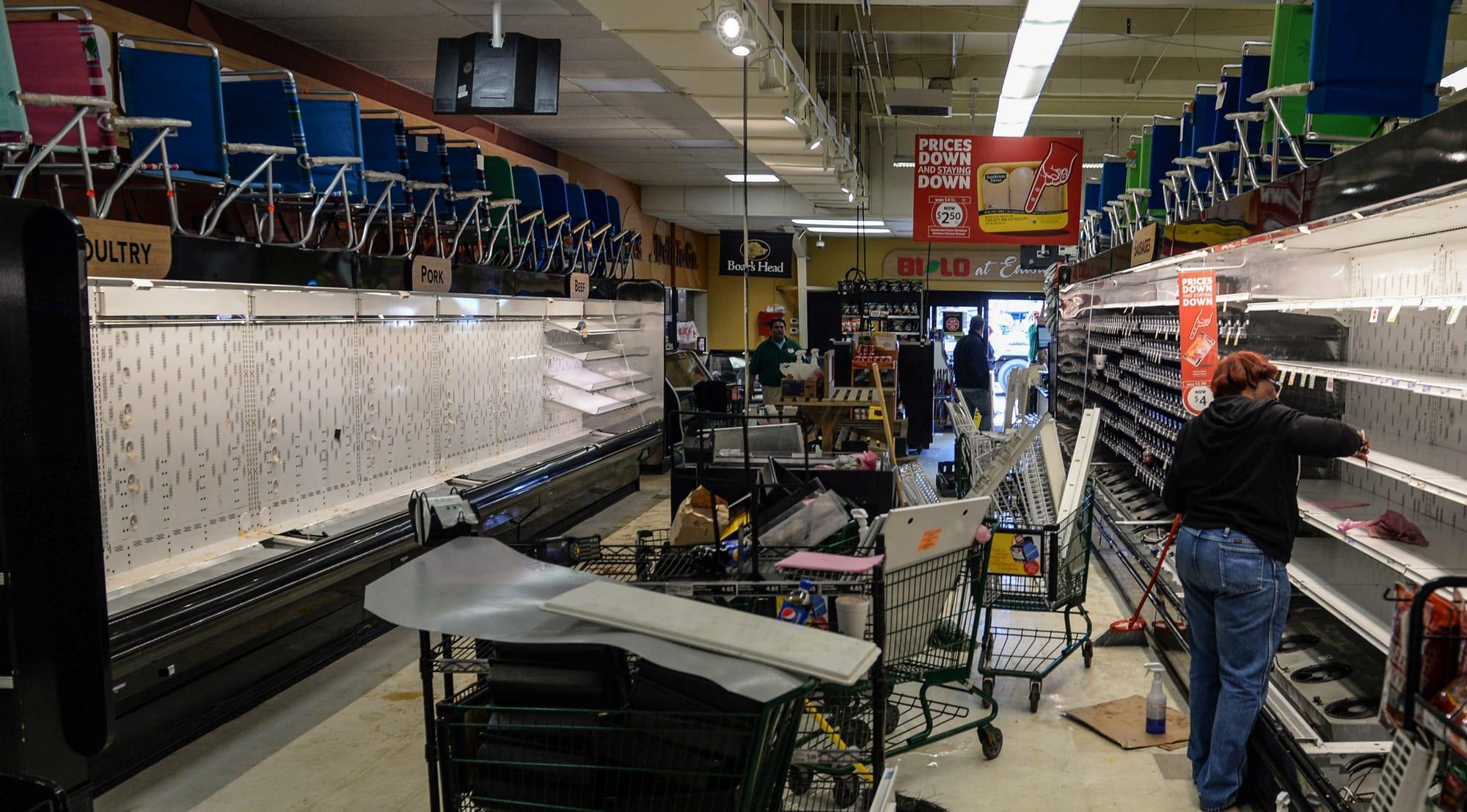
Bi-Lo, the supermarket chain that started in South Carolina’s Upstate in 1961, is going away, and Food Lion is taking over many of its stores, including five in and around the Charleston region.
Jacksonville, Florida-based Southeastern Grocers Inc. said Wednesday it has decided to stop operating stores under the Bi-Lo name so it can invest more in its Winn-Dixie, Harveys Supermarket and Fresco y Más chains.
It agreed to sell 62 stores, 46 Bi-Lo and 16 Harveys Supermarket locations, to Food Lion, a subsidiary of Ahold Delhaize. Southeastern Grocers said it is “actively exploring strategic options” for its remaining Bi-Lo stores, including other possible deals. Investment bank PJ Solomon is managing that sale process.
The local stores
The Food Lion deal includes two Bi-Lo stores in Summerville and one each in Walterboro, St. George and Edisto Beach, The Post and Courier reported. In all, 38 of the stores are in South Carolina, according to the newspaper.
The sale will leave Bi-Lo with six stores in the tri-county area and about 45 in South Carolina, the newspaper reported.
Financial terms were not disclosed. The stores will not begin switching to the Food Lion name until early 2021, and the deal is expected to close by April 2021, pending regulatory approval, according to Southeastern Grocers.
Salisbury, North Carolina-based Food Lion said the 62 stores will add about 4,650 workers to its payroll, The Post and Courier reported.
“We are so excited to add these new locations to our more than 630 stores across Georgia and the Carolinas,” Food Lion President Meg Ham said in a written statement quoted by the newspaper. “We’ve been serving customers in these larger regions for almost 60 years.”
Food Lion operates 16 stores in the Charleston region, from Moncks Corner to Ravenel and the Charleston peninsula, according to The Post and Courier. Like Bi-Lo, it has pulled out of the competitive Mount Pleasant market. Food Lion recently began work on a store along U.S. 78 near Summerville.
More pieces of the deal
Southeastern Grocers also agreed to hand its distribution center in Mauldin to Ahold Delhaize USA Distribution LLC. That transfer is expected to be complete in the first half of 2021.
Separately, it is selling the assets of 57 in-store pharmacies to CVS and Walgreens. They include all of the Bi-Lo pharmacies and nine Harveys Supermarket pharmacies in Georgia, and they will begin to change hands within two weeks, the company said.
“The successful execution of our long-term transformation strategy may at times require difficult decisions,” Southeastern Grocers President and Chief Executive Anthony Hucker said. “Today’s transactions are a critical strategic move and an important next step for our continued growth and broader evolution as a business. These actions will facilitate greater investment in our remaining footprint so we can continue to provide an exceptional shopping experience our customers can always count on.”
The company said proceeds will strengthen its balance sheet and help grow its core brands. Deutsche Bank Securities and PJ Solomon are its financial advisers.
A retreat in the Lowcountry
Southeastern Grocers has struggled with debt in recent years and has closed several Bi-Lo stores in the Charleston region, The Post and Courier reported.
Bi-Lo has been through bankruptcy protection twice since 2009, according to The Post and Courier. After the first, its owner folded the chain into Southeastern Grocers alongside Winn-Dixie. Bi-Lo reached the Charleston market in April 1973, when it opened its 55th store, according to the newspaper.
One of the Lowcountry stores Bi-Lo is giving up has changed hands before. In 2013, Bi-Lo’s parent agreed to buy 22 stores from Charleston-based Piggly Wiggly Carolina Co., including the Piggly Wiggly in Edisto Beach.
Southeastern Grocers calls itself one of the largest conventional supermarket companies in the United States, with stores in seven Southeastern states. Earlier this year, it announced the acquisition of eight store locations from Lucky’s Market and Earth Fare, part of what it calls a five-year business transformation strategy.