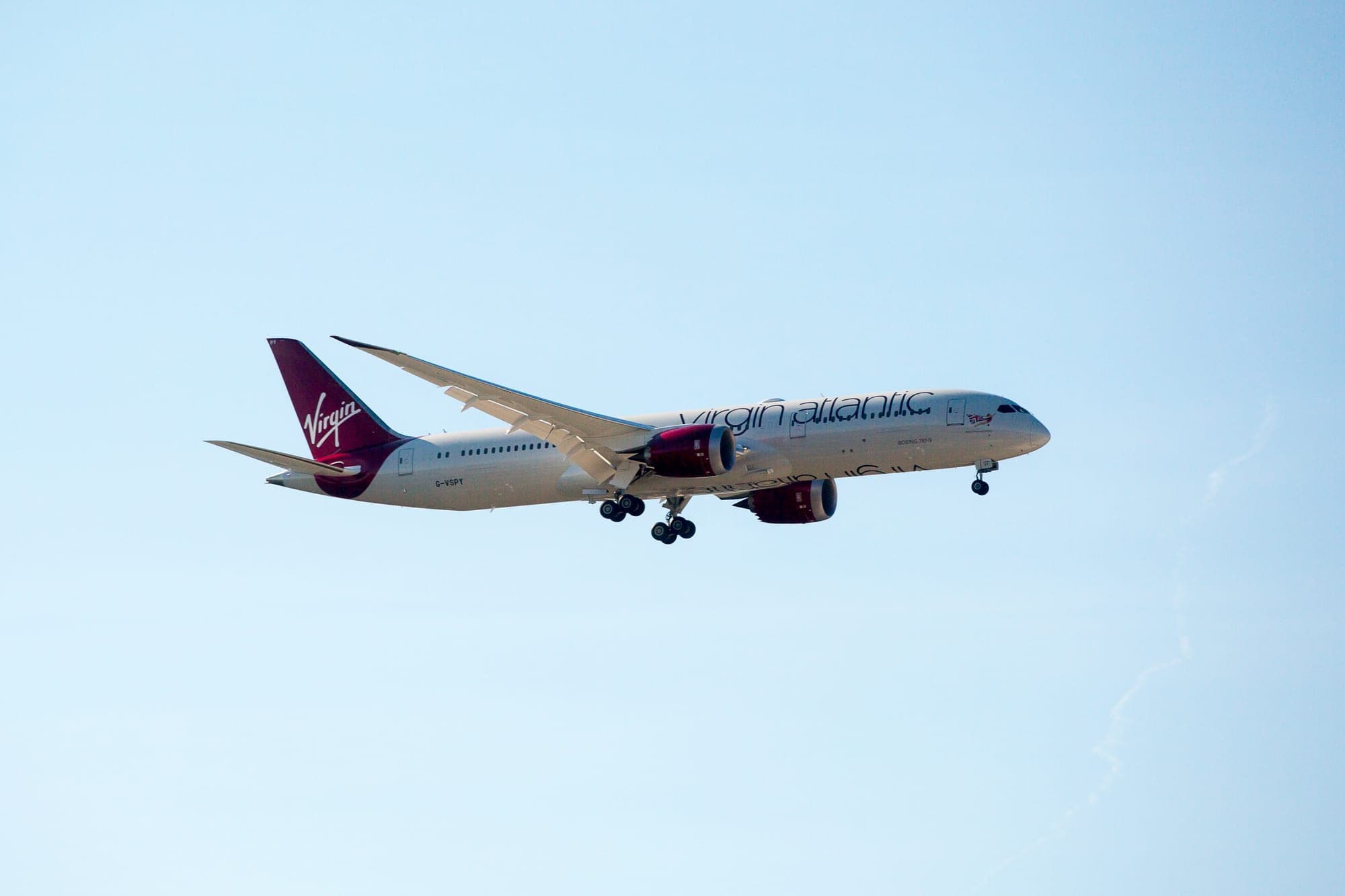
The Federal Aviation Administration is ordering inspections of fuel tank sealant on some Boeing 787 Dreamliners after a report that the work skipped required checks at the factory.
The final airworthiness directive, published Nov. 2 in the Federal Register, takes effect Dec. 7. It covers certain 787-8, 787-9 and 787-10 jets in which, “during production, certain sealant installations within the center wing fuel tank volume did not receive required visual and adhesion inspections,” the FAA said.
Without those inspections, sealant defects could be present. Left unaddressed, that “could result in development of an ignition source within the fuel tank volume and a risk of a fuel tank explosion during a lightning strike event,” the directive says.
Operators must inspect sealant in the wing side-of-body areas, test how well it adheres and make any needed repairs, following a Boeing bulletin dated Nov. 5, 2025. The FAA estimates the order affects 60 U.S.-registered airplanes, at 34 work-hours and $2,890 apiece, or $173,400 in all. Boeing told the agency that some or all of the costs may be covered under warranty.
The directive identifies the affected jets only by reference to Boeing’s bulletin and does not say where they were built. Boeing assembled 787s in Everett, Washington, as well as North Charleston until it consolidated all 787 production in North Charleston in 2021, the company and The Post and Courier have reported.
The FAA proposed the rule Feb. 24. In response to a question during the comment period, the agency said the directive is limited to jets for which there is a “lack of evidence substantiating that the required inspections were accomplished” during production. It said it has confirmed that inspections of the center wing tank sealant “are being performed during production on airplanes that are outside the applicability of this AD.”
The Air Line Pilots Association and United Airlines supported the proposal without changes, the FAA said. Boeing and American Airlines asked to use other Boeing instructions for repairs, and the agency revised the repair language at Boeing’s request.