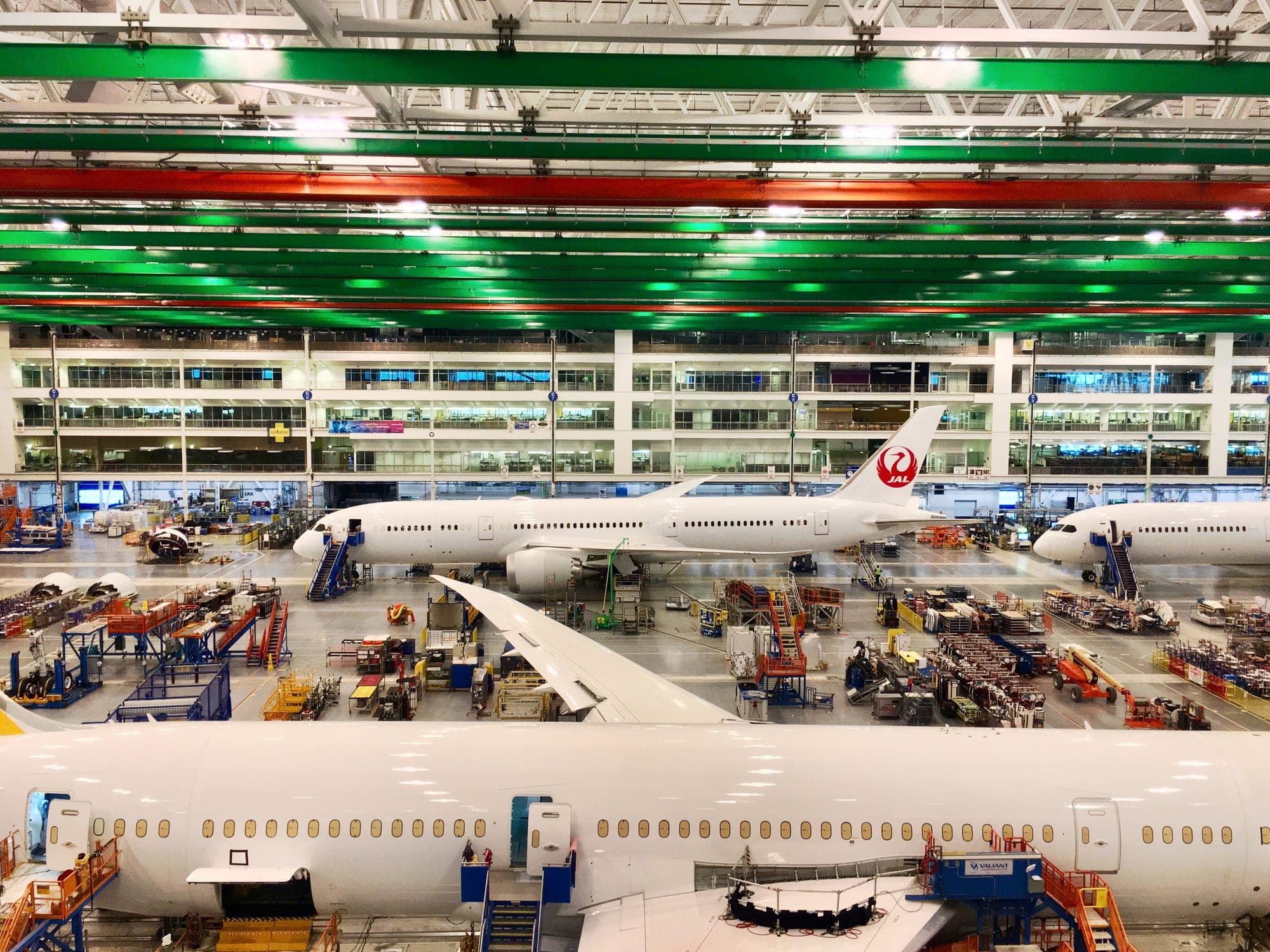
Boeing Co. said Thursday it will consolidate all production of the 787 Dreamliner at its North Charleston plant starting in mid-2021, ending assembly of the jet in Everett, Wash., where it was first built.
The company said the timing is its best estimate. The decision is part of a broader effort to preserve cash and reposition parts of the business as the coronavirus pandemic batters the airline industry, Boeing said.
“The Boeing 787 is the tremendous success it is today thanks to our great teammates in Everett. They helped give birth to an airplane that changed how airlines and passengers want to fly,” said Stan Deal, president and chief executive of Boeing Commercial Airplanes. “As our customers manage through the unprecedented global pandemic, to ensure the long-term success of the 787 program, we are consolidating 787 production in South Carolina.”
In an email to workers, Deal said a single 787 production site in South Carolina “will make us more competitive and efficient, better positioning Boeing to weather these challenging times and win new business,” The Associated Press reported.
Why North Charleston
Only the North Charleston site is set up to build the largest Dreamliner, the 787-10, Boeing said. Everett will keep building the smaller 787-8 and 787-9 until the program shifts to its previously announced rate of six airplanes a month in 2021.
Boeing announced in July that it was studying whether to build the 787 at a single location. That review, part of a companywide reassessment of Boeing’s facilities, organization, investments and supply chain, “confirmed the feasibility and efficiency gains created by consolidation,” the company said.
The Wall Street Journal reported Wednesday that Boeing was finalizing plans for the move, Live 5 News reported.
Boeing has already cut 787 production because of weak demand for air travel. The company said in April that it would reduce output to 10 airplanes a month and in July that it would go to six a month, according to Live 5 News.
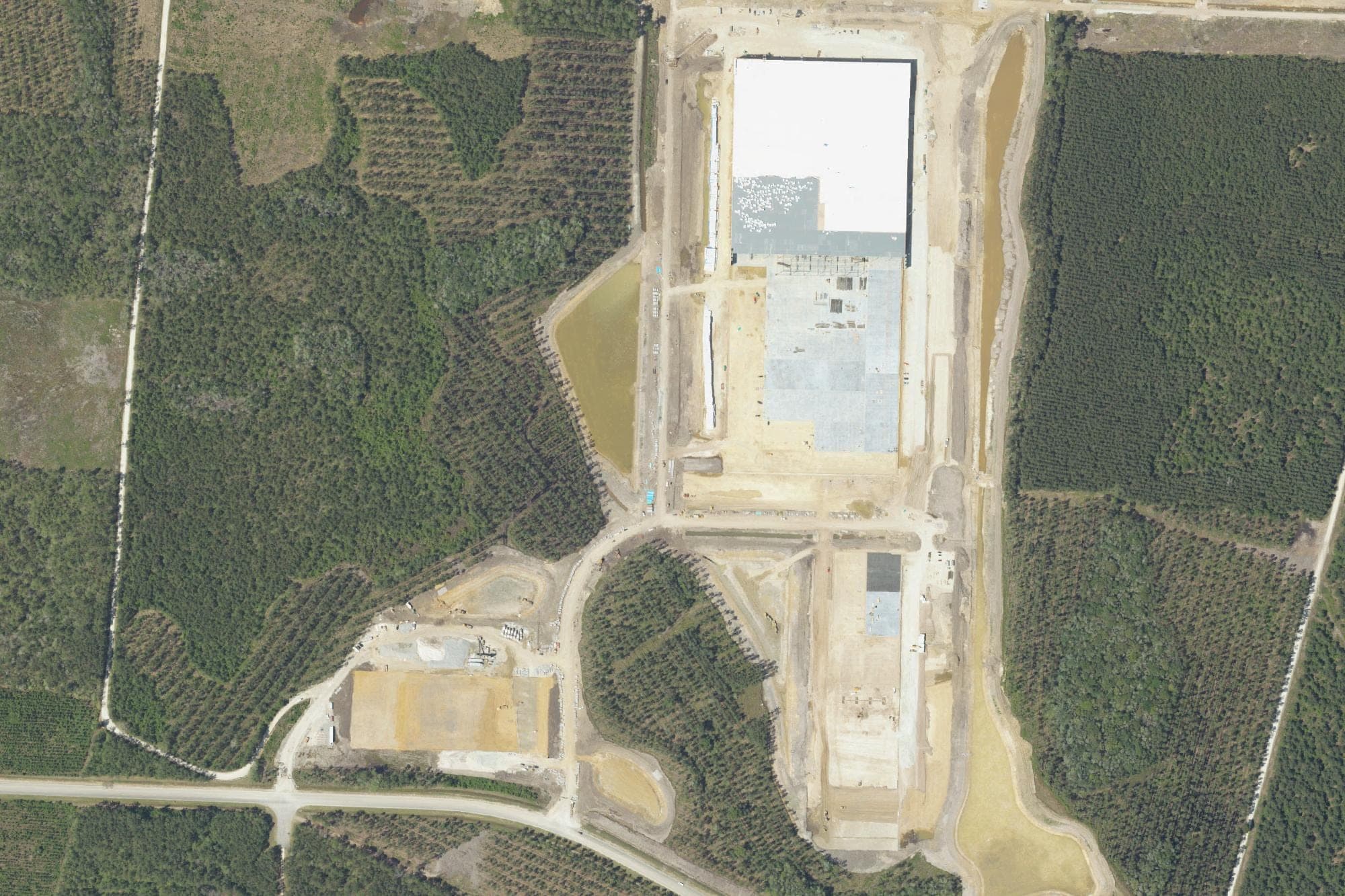
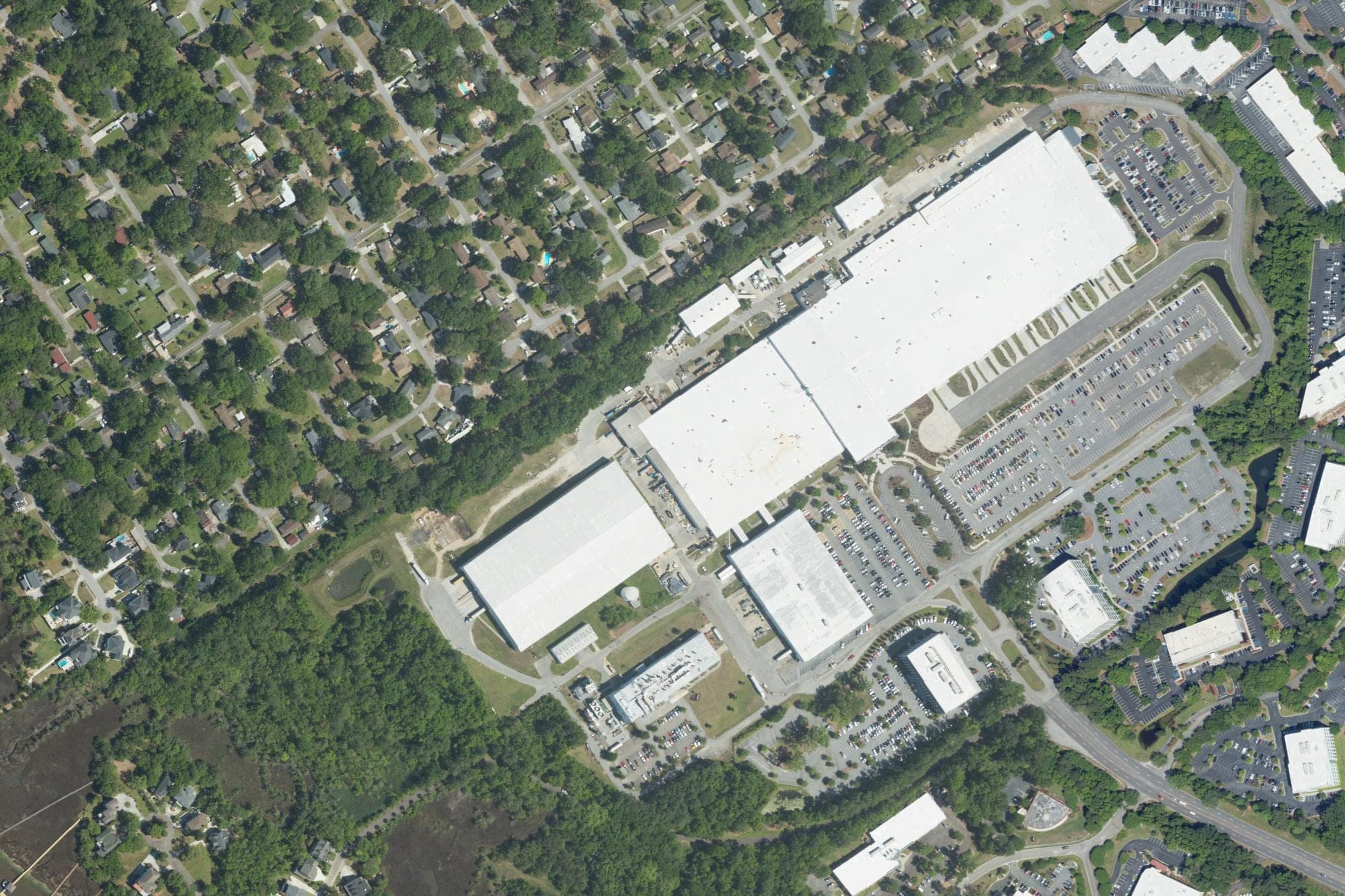
Boeing said it is still assessing how the move will affect jobs in Everett and North Charleston and will tell employees directly. The North Charleston plant has about 7,000 employees, ABC News 4 reported this week. Boeing told the station that its facilities there cover 92 acres of an 884-acre campus.
Cheers in South Carolina, anger in Washington
“South Carolina is open for business,” Gov. Henry McMaster said, according to Live 5 News. He said the state is committed to helping Boeing and other businesses grow. “Today’s announcement is a testament to our hardworking people, and to the fact that companies know they can find long-term success right here in South Carolina.”
College of Charleston economist Frank Hefner told ABC News 4 that the move could be a big benefit for the Lowcountry. “Unfortunately, this is a zero sum for the country but it’s a positive for South Carolina and the Lowcountry,” he said.
Washington Gov. Jay Inslee called the decision “an insult to the hardworking aerospace employees who build 787s.” He said he had recently asked Boeing’s leadership what it would need to keep 787 production in his state, and that the company “never asked for anything,” Live 5 News reported. Inslee said the decision falls hardest on the more than 1,000 Washington workers who build the 787 and that it requires a review of the company’s favorable tax treatment in his state.
About 900 employees support 787 production in the Puget Sound region, including the Everett final assembly line, Boeing told The Herald of Everett. Washington state House Republican leader J.T. Wilcox said after a call with the company that the decision would affect about 900 jobs in the state, according to the AP.
Washington granted Boeing tax breaks in 2003, worth about $100 million a year, to win assembly of the 787, the AP reported. Those subsidies were revoked earlier this year after the World Trade Organization found them illegal.
U.S. Rep. Rick Larsen, a Democrat whose district includes Everett, said he would fight to bring 787 production back to Washington once air travel rebounds, the AP reported.
Labor and quality questions
Labor groups criticized the move. Boeing opened its 787 final assembly line in South Carolina in 2011, picking the state largely for its anti-union culture after strikes by Seattle-area Machinists in 2005 and 2008, the AP reported.
Paul Shearon, president of the International Federation of Professional and Technical Engineers, called the move “bad news for organized labor,” according to the AP.
In August, Boeing grounded eight 787s after structural problems were found where fuselage panels are joined, the AP reported. Shearon said incidents like that will undermine confidence in Boeing, which is still recovering from two deadly crashes of its smaller 737 Max.
Boeing said its Puget Sound workforce will continue building the 737, 747, 767 and 777. “We recognize that production decisions can impact our teammates, industry and our community partners,” Deal said. “We extensively evaluated every aspect of the program and engaged with our stakeholders on how we can best partner moving forward.”