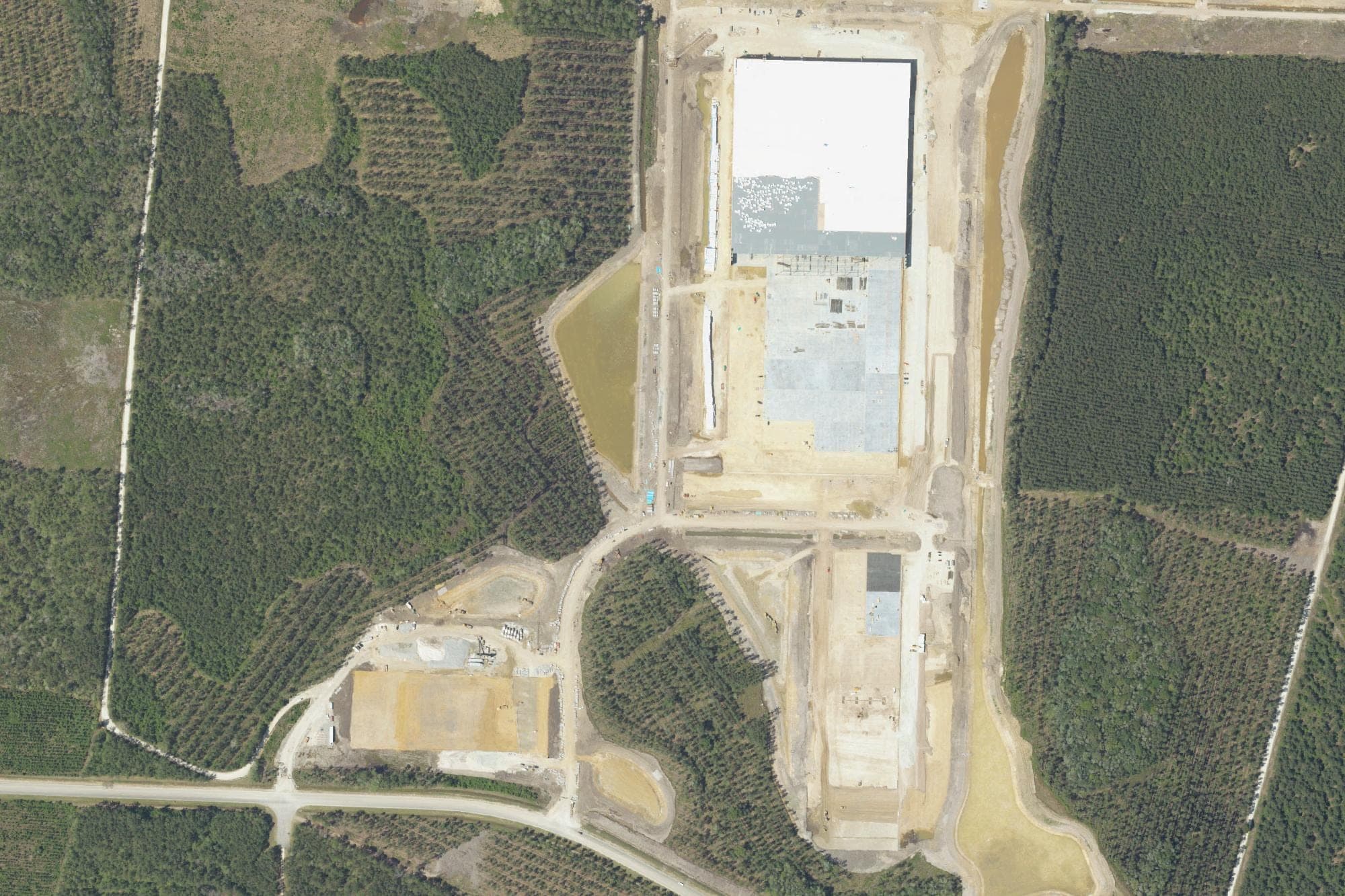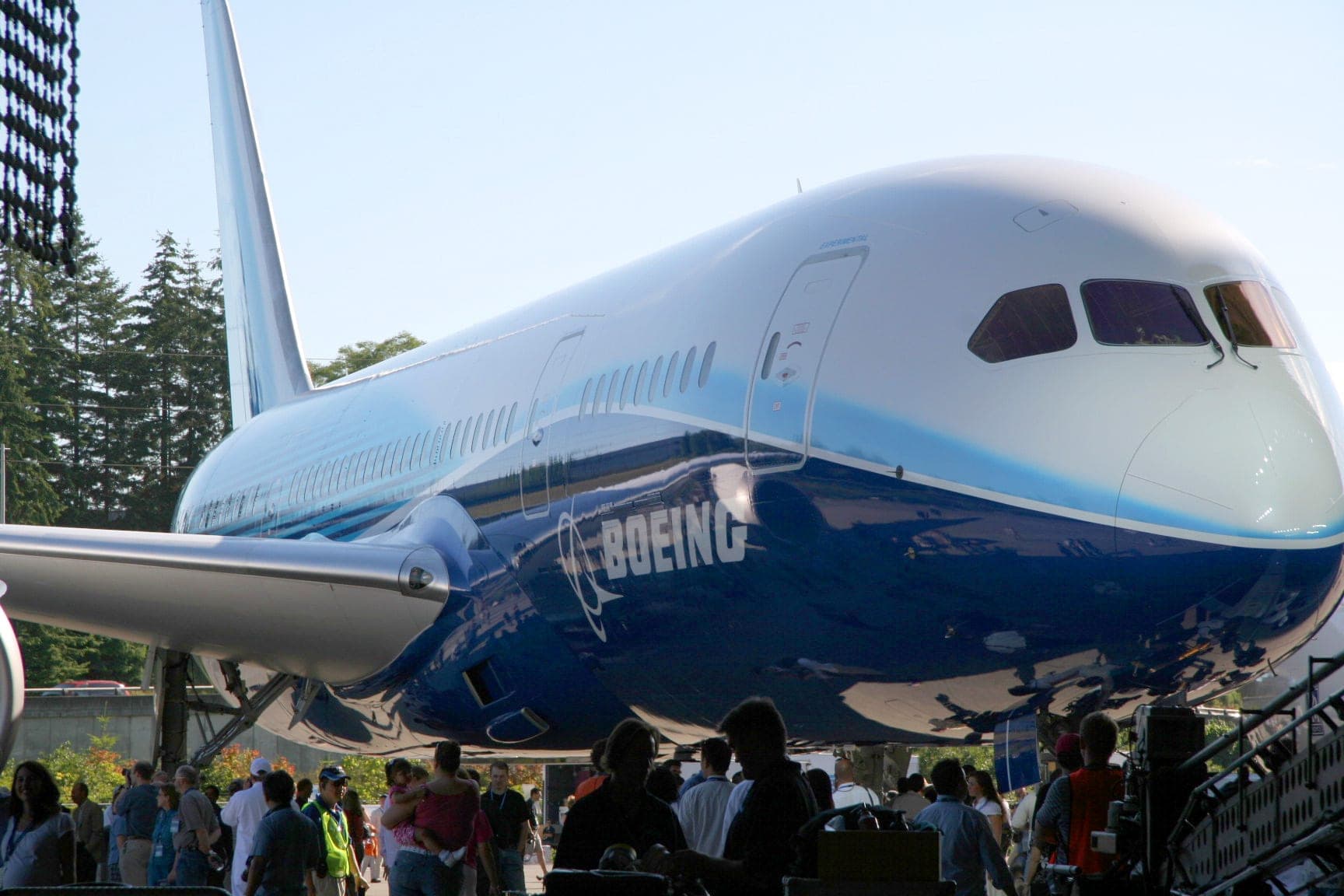
Boeing Co. will build its second final assembly line for the 787 Dreamliner in North Charleston, expanding work on its long-delayed new jetliner beyond the company’s longtime manufacturing base in Washington state.
The company announced the decision Wednesday, Oct. 28. Boeing said the North Charleston site would also be able to handle testing and delivery of finished airplanes.
“Establishing a second 787 assembly line in Charleston will expand our production capability to meet the market demand for the airplane,” said Jim Albaugh, president and CEO of Boeing Commercial Airplanes, in the company’s announcement.
Boeing said it judged sites against criteria meant to find the location within the company that would best support the 787 business plan as production rates climb.
What Boeing already has here
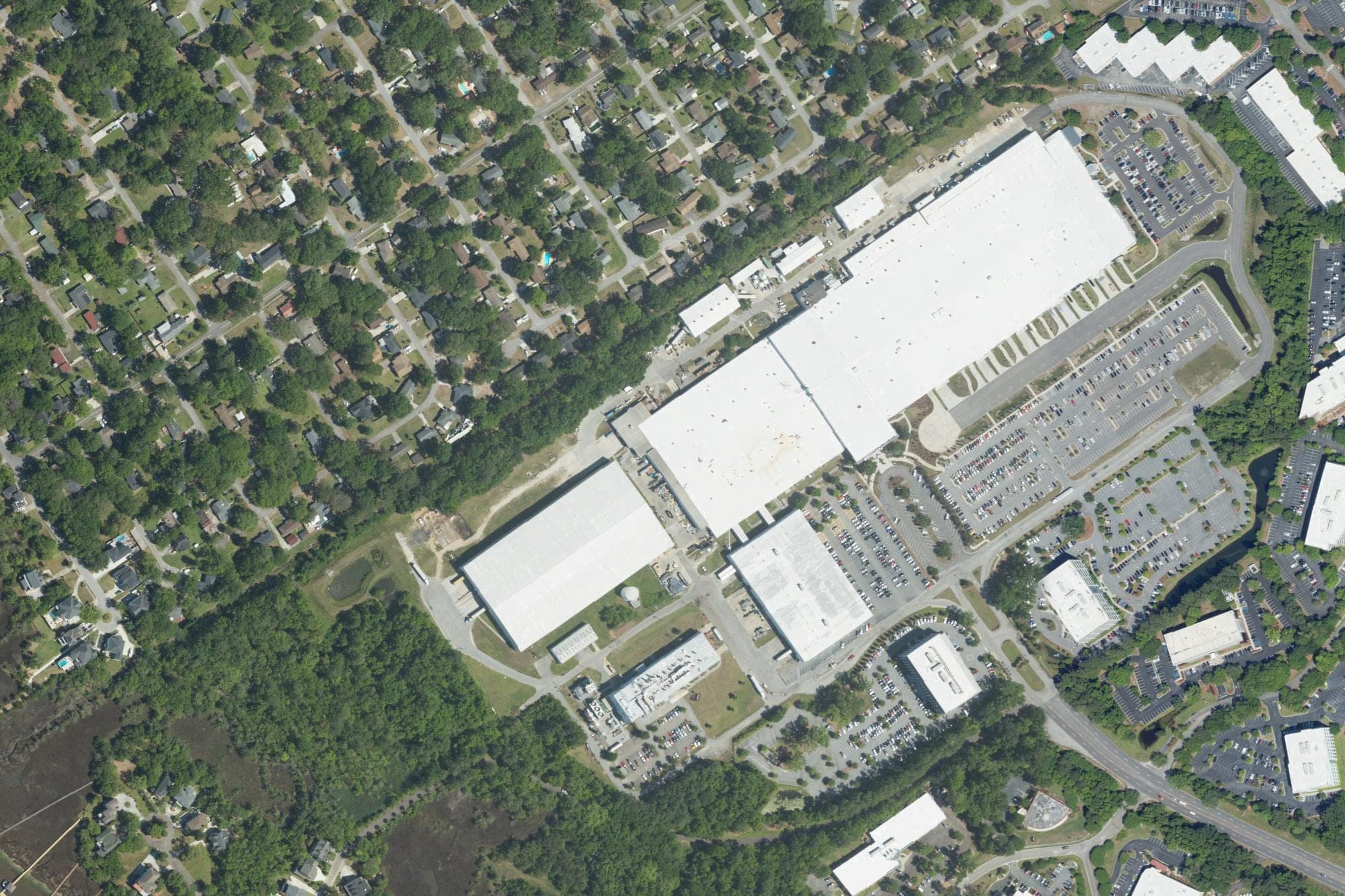
The choice builds on 787 work already underway in North Charleston. Boeing Charleston fabricates and assembles the 787’s aft fuselage sections and installs their systems, according to the company. Across the street, Global Aeronautica, which is 50% owned by Boeing, joins and integrates fuselage sections that arrive from other structural partners.
Albaugh said the decision “allows us to continue building on the synergies we have established in South Carolina with Boeing Charleston and Global Aeronautica.”
Until the North Charleston line is running, Boeing said, it will set up temporary surge capacity at its Everett, Wash., plant to support the introduction of the 787-9, the first derivative of the airplane. The Everett surge capacity will be phased out once the Charleston line is up.
“We’re taking prudent steps to protect the interests of our customers as we introduce the 787-9 and ramp up overall production to 10 twin-aisle 787 jets per month,” Albaugh said.
Boeing could break ground in North Charleston as soon as next month, with the first 787 from the new factory slated to leave the plant in the first quarter of 2012, The Associated Press reported. The company aims to produce 10 of the planes a month by 2013, according to the AP.
About 55 airlines have ordered roughly 840 787s since the program launched in 2003, Boeing said. The airplane is designed to carry 200 to 250 passengers on flights of up to 8,200 nautical miles.
The state’s offer
The announcement capped a day of waiting at the Statehouse in Columbia. The General Assembly, back in special session this week, approved an incentive package earlier Wednesday that would eliminate income and other taxes for the company for a decade and provide low-interest construction bonds, The State newspaper reported. To qualify, Boeing pledged to invest at least $750 million and create 3,800 jobs in South Carolina within seven years, the paper reported.
The AP put the state’s offer at $170 million in incentives plus relief from sales taxes on items such as fuel used in test flights.
Senate Finance Committee Chairman Hugh Leatherman, R-Florence, one of the chief negotiators, said Boeing’s move could have an initial economic impact of up to $450 million a year even after the incentives are counted, according to The State. “The effects on our economy will be mind-boggling,” Leatherman said.
Leatherman told the paper that when the Senate voted, “We had no idea Boeing was going to come here.” The call from Boeing came about 5 p.m., setting off cheers in the Senate, The State reported.
Gov. Mark Sanford, who had opposed similar packages in the past, said he would sign the incentives bill. “In terms of jobs, it’s an incredible shot in the arm,” Sanford said, according to The State, which noted the state’s 11.6% jobless rate. “Timing is of the essence.”
House Speaker Bobby Harrell, R-Charleston, said he did not think the deal hinged on incentives. “The timing was incredible,” Harrell said. “We were fortunate their board was meeting at the same week.”
Labor in the background
The decision ends an interstate contest that Boeing narrowed last week to Washington and South Carolina, the AP reported. North Carolina, Kansas, Texas and California had also been seen as contenders.
Boeing has long complained about the business climate in Washington and about frequent strikes by production workers there, according to the AP. A Machinists strike last year forced the company to shut down its commercial airplane operations for eight weeks. At Boeing’s North Charleston plant, workers voted last month against continued representation by the International Association of Machinists, the AP reported.
Washington Gov. Chris Gregoire said the decision came down to Boeing’s relationship with the union and a failure to reach a no-strike deal. “I’m disappointed, I’m angry, I hurt for the workers and I think the company made the wrong decision. But I wasn’t at the table,” she said, according to the AP.
Tom Buffenbarger, the Machinists’ international president, denied that the decision turned on fears of future strikes. “Corporate decisions like this are years in the making, and this one is no different,” he said.
Albaugh said Boeing remains committed to the Seattle area, where its commercial airplane division is based. “Everett will continue to design and produce airplanes, including the 787,” he said. “We remain committed to Puget Sound.”
State officials expect suppliers to follow Boeing to South Carolina, much as businesses grew up around BMW’s Upstate plant in the 1990s, The State reported. Commerce Secretary Joe Taylor said his agency is already courting some of those companies and will advise existing South Carolina businesses on the opportunities.