The Mt. Holly aluminum smelter in Berkeley County now has one owner.
Century Aluminum Co. said Monday that it had completed its purchase of Alcoa Inc.’s 50.3% stake in the plant, giving the Chicago company full ownership. Century already owned the other 49.7%.
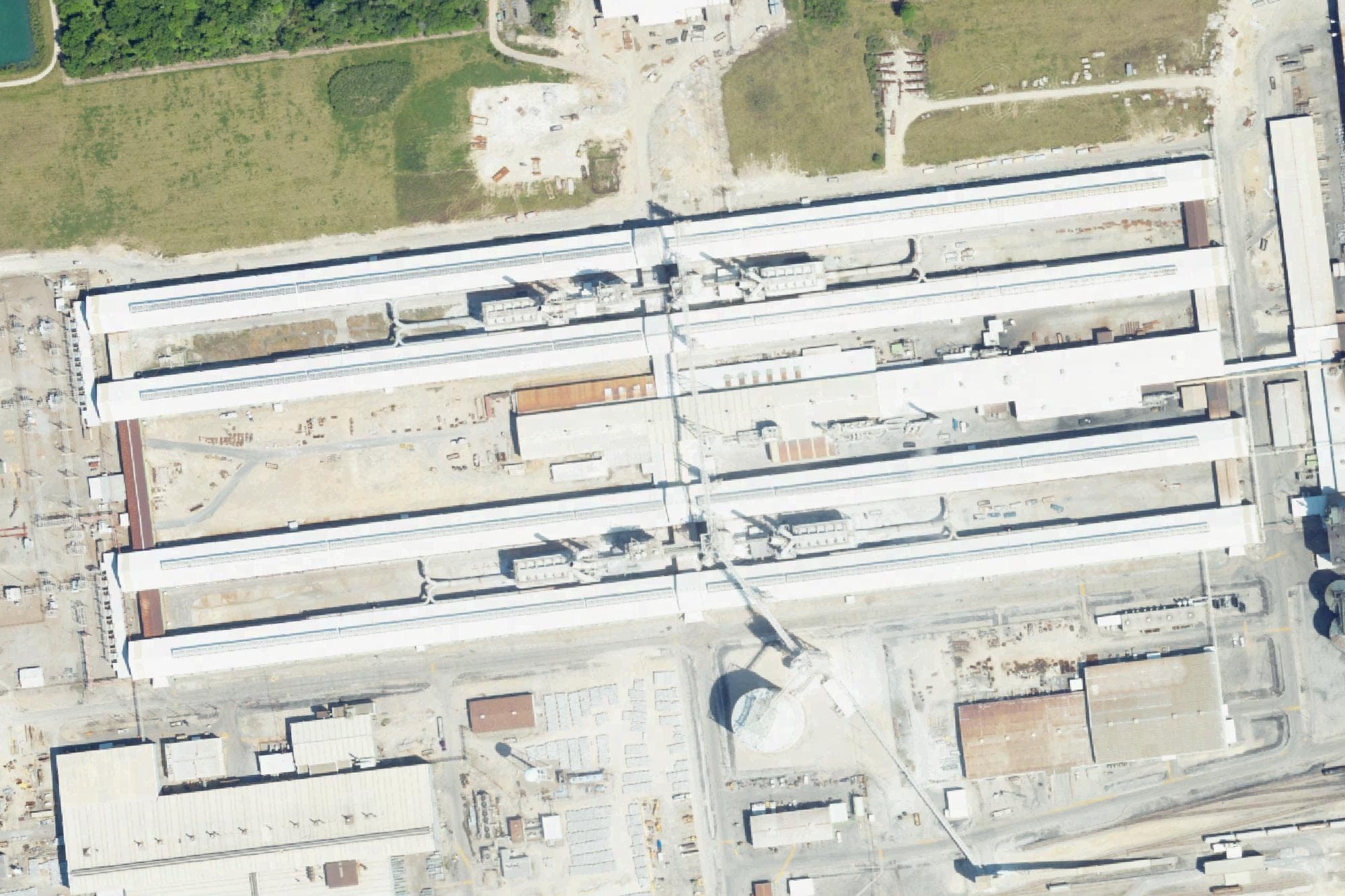
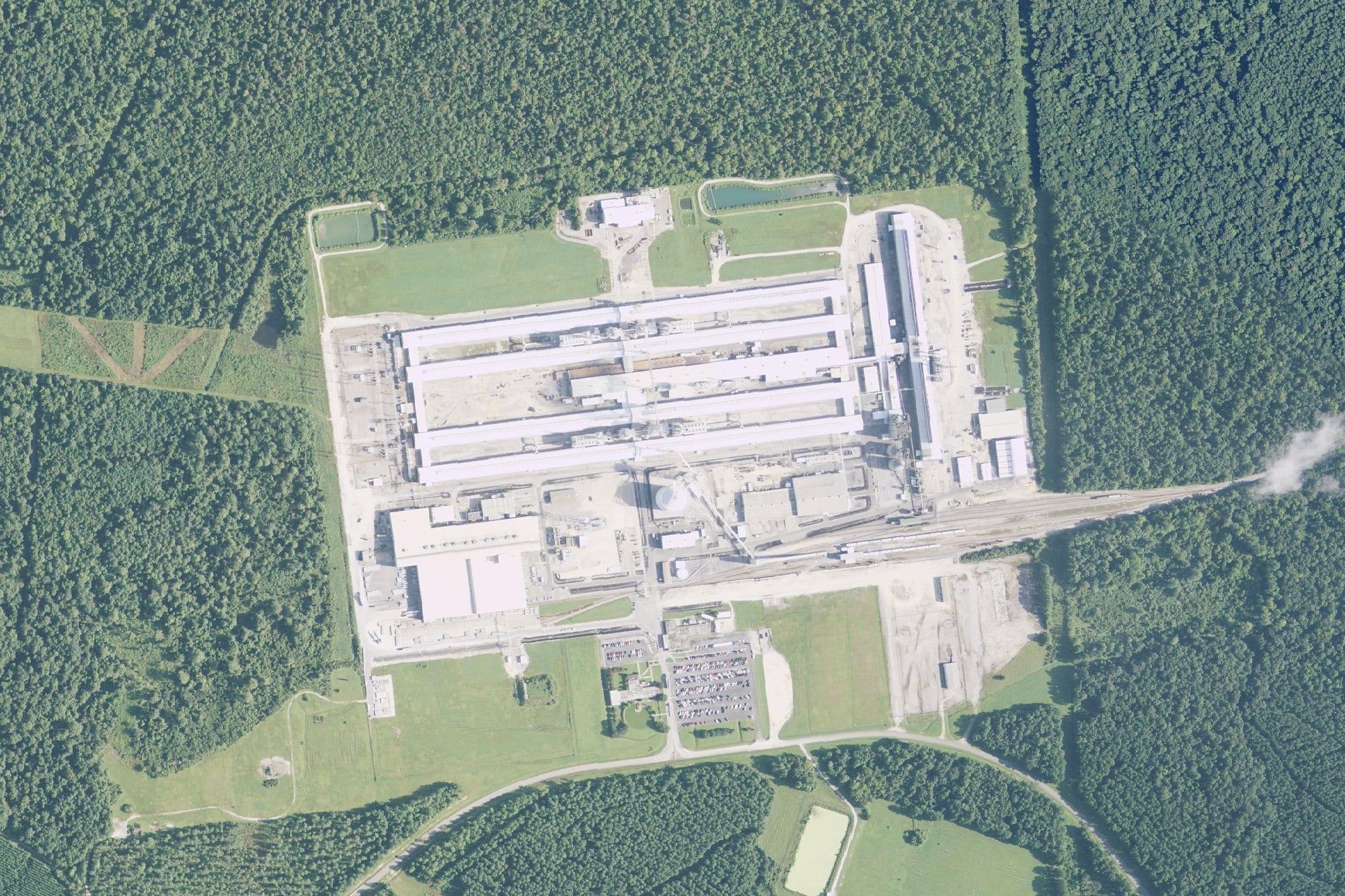
Mt. Holly employs about 600 people and can produce 229,000 metric tons of primary aluminum a year, according to Century.
“We are very pleased to assume full ownership of the Mt. Holly plant,” Century President and Chief Executive Michael Bless said in the company’s announcement. “Our first order of business is to work toward a safe and seamless transition.”
The deal
Century announced the agreement Oct. 23. Its subsidiary Berkeley Aluminum Inc. agreed to buy Alumax of South Carolina, the Alcoa subsidiary that held Alcoa’s share of Mt. Holly, for $67.5 million in cash, less certain amounts Alumax owed to the plant and subject to adjustments for working capital and similar items.
At Monday’s closing, Berkeley Aluminum paid about $53.8 million, Century said in a filing with the Securities and Exchange Commission. The final price is still subject to adjustments for working capital, pension funding, changes in the Midwest aluminum price between July 2, 2014, and Dec. 31, 2015, and a true-up meant to put both sides where they would have been had the deal closed Sept. 30. Century paid with cash on hand.
Alcoa has been the plant’s operator, and Mt. Holly’s workers have been Alcoa employees who are not represented by a union, Century said in its annual report filed in March. Century owned 26.67% of Mt. Holly until April 2000, when it bought Xstrata AG’s 23% share for $95 million.
“We are obviously familiar with this excellent plant due to our long affiliation, and are excited about the opportunity to assume full ownership,” Bless said when the deal was announced in October.
The power question
Century has said the plant’s challenge is the price of its electricity.
“We believe that Mt. Holly is globally competitive in every area except its cost of power and this transaction reflects our continuing confidence in domestic aluminum production,” Bless said in October. “Mt. Holly’s future is directly tied to our ability to obtain the power needed to make the plant competitive in the global market and we will work aggressively toward a solution that benefits everyone.”
Mt. Holly buys its power from the South Carolina Public Service Authority, known as Santee Cooper, under a contract that runs through December 2015, Century said in its most recent annual report. In 2012, the two sides amended the contract so the plant could get some or all of its supplemental power from an off-system natural gas-fired plant, with the energy charge based on the cost of natural gas rather than Santee Cooper’s mostly coal-based fuel costs. That arrangement also runs through Dec. 31, 2015.
In that report, filed in March, Century said it was in discussions with Santee Cooper and other parties about power for Mt. Holly after 2015.
“We will now turn our attention to securing a power contract which will support the plant’s long-term operations,” Bless said Monday. “Though we are early in this complex process, we have been encouraged by recent discussions.”
When Century reported third-quarter results Oct. 29, Bless said the challenge of a long-term power structure remained and that the company would “be hard at work on this critical issue over the coming months.”
The plant and the company
Built in 1980, Mt. Holly is the most recently constructed aluminum reduction plant in the United States, according to Century’s annual report. It has two potlines and casting equipment that turns molten aluminum into standard-grade ingot, extrusion billet and other products. Century has said it earns a significant premium for the billet it makes at Mt. Holly and at Sebree.
Besides Mt. Holly, Century owns the Hawesville and Sebree smelters in Kentucky and the Grundartangi smelter in Iceland. It curtailed all operations at its smelter in Ravenswood, West Virginia, in February 2009, the company has reported.
Bless said Century also wants to be part of the local business community. “We also look forward to becoming an active participant in the economy and greater community of Berkeley County,” he said.