The Mt. Holly aluminum smelter has a path to stay open, and to grow.
Century Aluminum Co. said Monday that it has reached a preliminary agreement on the main terms of a new three-year power contract with the South Carolina Public Service Authority, known as Santee Cooper, for the Berkeley County plant.
The contract is expected to supply at least 290 megawatts of electricity. That would let the smelter raise its production 50% by restarting half of a potline, bringing it to 75% of its full capacity, the company said. Century said it would eventually hire 70 more people to run the added cells.
To leave time to finish the contract and get the required government approvals, the two sides agreed to extend the current contract, which was set to expire Dec. 31, by three months, Century said. If the approvals come through, the new contract would start April 1 and run through December 2023.
Century also extended its conditional layoff notice for Mt. Holly workers through March 31.
Seven weeks after a warning
The deal comes after a tense fall. On Oct. 20, Century issued a notice under the federal Worker Adjustment and Retraining Notification Act telling Mt. Holly employees it would curtail all operations by Dec. 31 unless it found a competitively priced power arrangement.
At the time, Century said Santee Cooper’s rates were the highest offered to any U.S. smelter and nearly twice what it could get on the open market. Michael Bless, Century’s president and chief executive, said a closing “would be a distressing and totally unnecessary tragedy for our 295 employees, their families and the broader community in South Carolina.”
Bless said then that with competitively priced power, Mt. Holly could return to full capacity and employ 600 people. He called it one of the last six primary aluminum smelters in the United States.
What they said
On Monday, Bless credited the plant’s workers.
“In the face of the persistent uncertainty surrounding the plant’s future, compounded by an unprecedented global health crisis, our people have consistently operated the plant safely and efficiently,” he said in the company’s announcement. “We look forward to beginning the significant efforts required to rebuild the cells and otherwise prepare the plant to operate for the longer-term; this will include ultimately hiring an additional 70 people to support the incremental one-half potline.”
Jesse Gary, Century’s executive vice president and chief operating officer, thanked Santee Cooper and state officials.
“It is evident they are committed to working with us, within the required regulatory boundaries, to support the critical value Mt. Holly provides to the community and to the state more broadly,” Gary said of Santee Cooper. “We look forward to working with them over the coming years to discuss opportunities to return the plant to full production.”
He also named Gov. Henry McMaster and Commerce Secretary Bobby Hitt, “without whose dedication we could not have reached this point.”
Half capacity since 2015
Mt. Holly has been running at half capacity for five years. In December 2015, Century reached an agreement in principle with Santee Cooper that let the plant keep operating at half capacity, and it curtailed the rest in the fourth quarter of that year, the company has reported.
Under the arrangement now in place, Santee Cooper supplies 25% of Mt. Holly’s power from its own generation at cost-of-service rates, and a third-party supplier provides the other 75% at prices tied to natural gas, according to Century’s annual report. Century agreed in October 2018 to a two-year extension of that arrangement, through Dec. 31, 2020.
Century has said for years that it wants to buy all of Mt. Holly’s power at market rates. In its annual report filed in February, it said the plant’s lack of access to the open market for all of its power “significantly impacts its ability to be competitive in the aluminum industry and puts its continued operation at risk.”
The uncertainty showed up in the plant’s upkeep. When Century reported third-quarter results Oct. 29, Bless said the company was “now relining cells when required at all plants except Mt. Holly.”
The plant
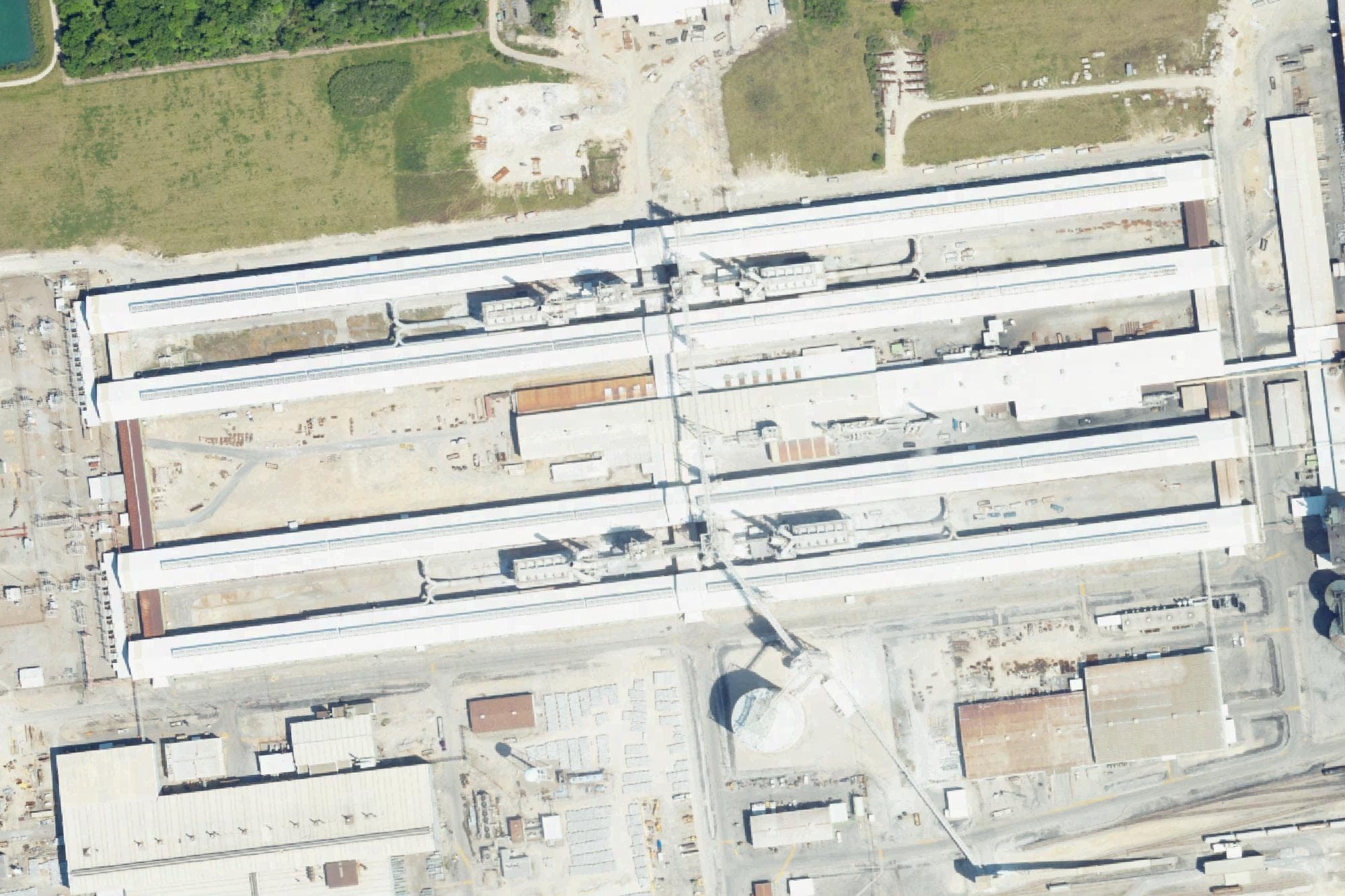
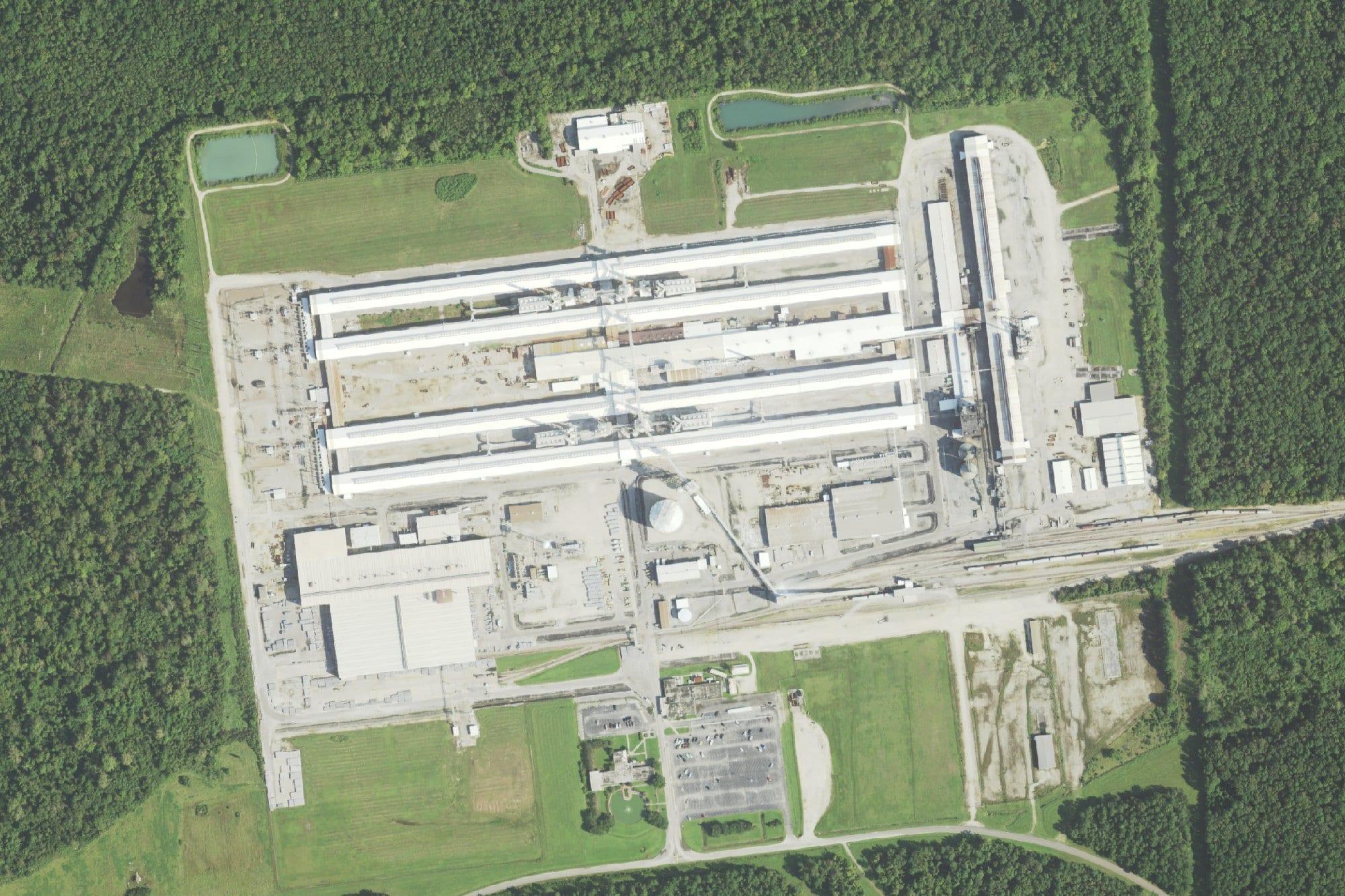
Mt. Holly was built in 1980 and can produce about 229,000 metric tons of aluminum a year at full capacity, according to Century. It makes standard-grade aluminum cast into tee bars as well as value-added products, including billet and foundry products. Its employees are not represented by a union.
Century, based in Chicago, also owns the Hawesville and Sebree smelters in Kentucky and the Grundartangi smelter in Iceland.