Century Aluminum Co. told employees at its Mt. Holly smelter Thursday that it will shut down the Berkeley County plant at the end of the year unless it can line up cheaper electricity.
The company issued a notice under the federal Worker Adjustment and Retraining Notification Act, which requires advance warning of plant closings and mass layoffs. If it cannot secure a competitively priced power arrangement, Century said, it will curtail 100% of the smelter’s operations no later than Dec. 31, when its power contract with the South Carolina Public Service Authority, known as Santee Cooper, expires.
“Time is running short and, without a prompt agreement with Santee to deliver the energy, the Mt. Holly plant will close,” Michael Bless, Century’s president and chief executive, said in the company’s announcement.
The dispute
Century says Santee Cooper’s current rate to Mt. Holly is the highest paid by any U.S. smelter.
The Chicago company said it has reached an agreement with a third-party provider to produce the power Mt. Holly needs at market rates. What it lacks is a deal with Santee Cooper to deliver that power to the plant.
“Unfortunately, we have been unable to reach agreement with Santee Cooper to deliver such power to Mt. Holly despite Mt. Holly’s offer to pay Santee the full transmission tariff rate,” Bless said. He said that is the same rate Santee Cooper charges other customers seeking similar service.
Unlike the utility that serves Century’s Kentucky smelters, Santee Cooper does not take part in an organized power market, Century noted in its annual report in March. Any power supply that does not come from Santee Cooper’s own plants has to be arranged bilaterally, with an identified seller and transmission rights.
Bless praised the plant itself. “Mt. Holly is the newest, most efficient and, except for its power costs, the lowest cost aluminum smelter in the U.S., with a dedicated and highly skilled workforce and a world class customer base,” he said.
Century said it remains “resolved to finding a solution” that would keep the plant running. The company puts Mt. Holly’s reach at more than 2,000 direct and indirect jobs and more than $945 million in annual economic impact on the region.
How it got here
Century became Mt. Holly’s sole owner last December, when it bought Alcoa Inc.’s 50.3% stake in a deal priced at $67.5 million in cash before adjustments. At the time, the plant employed about 600 people and could produce 229,000 metric tons of aluminum a year, Century said.
Bless said then that Century would turn its attention to “securing a power contract which will support the plant’s long-term operations.” He had said in October 2014 that Mt. Holly was “globally competitive in every area except its cost of power.”
Mt. Holly’s contract with Santee Cooper has a term through December 2015, according to Century’s annual reports. On June 30, 2014, Mt. Holly gave Santee Cooper notice that it would reduce its contract demand to zero effective Dec. 31, 2015, Century reported. Since 2012, an amendment has let the plant draw some or all of its supplemental power from an off-system natural gas-fired plant, with the energy charge tied to the price of natural gas rather than Santee Cooper’s mostly coal-based fuel costs. That arrangement also ends Dec. 31.
In August, when Century reported second-quarter results, Bless said the company was “nearing the end of the process to finalize a post-2015 power arrangement for Mt. Holly, and must reach a conclusion within the coming months.”
A hard year for aluminum
The Mt. Holly notice comes as Century cuts back elsewhere. In August, it issued a similar notice at its smelter in Hawesville, Kentucky, which has about 565 employees, saying it intended to begin curtailing operations there Oct. 24 unless the pricing environment substantially changed. Bless blamed the drop in aluminum prices on Chinese overcapacity and subsidized Chinese exports. Century said at the time that the Hawesville notice did not affect Mt. Holly. On Sept. 30, Century said it instead expected to keep two potlines running at Hawesville after Oct. 24, about 40% of the plant’s capacity.
Century also recorded a $30.9 million impairment charge in the first half of the year for the permanent closure of its smelter in Ravenswood, West Virginia, which had been curtailed since 2009.
“During these difficult times, our people remain dedicated to operating the plant safely and efficiently,” Bless said of the Mt. Holly workforce.
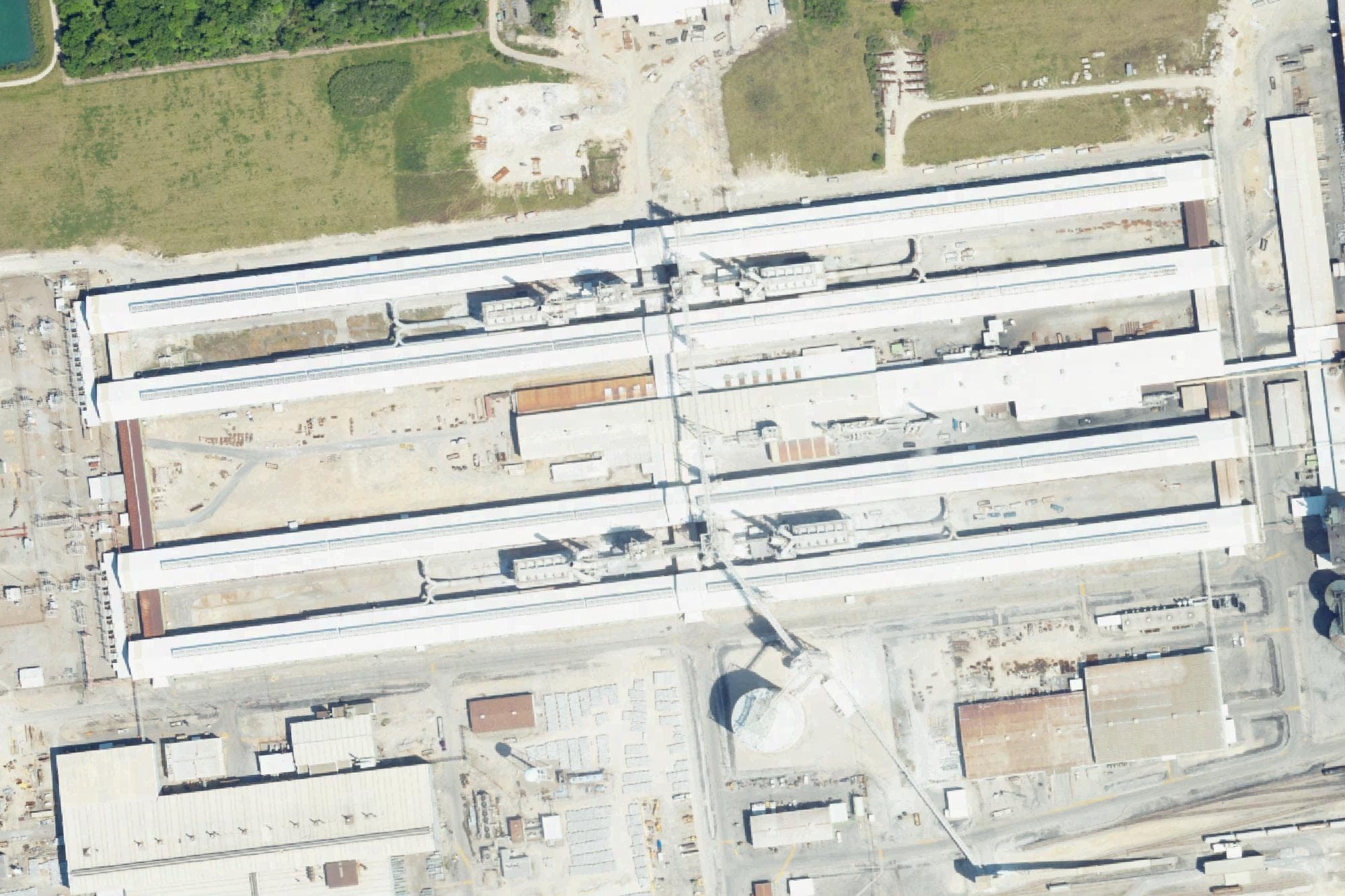
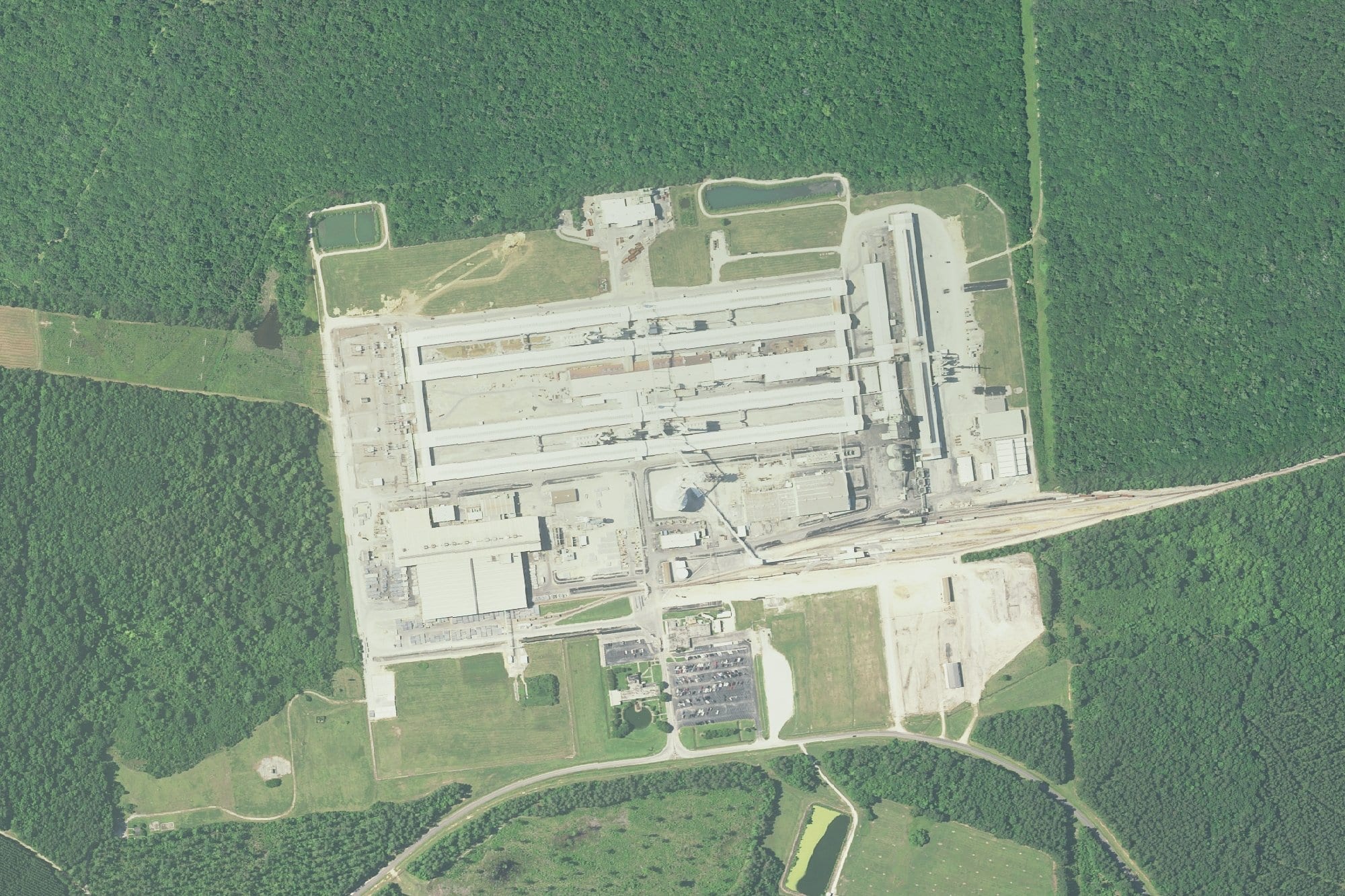
Mt. Holly was built in 1980 and is the most recently built aluminum reduction plant in the United States, according to Century. It has two potlines and casts molten aluminum into standard-grade ingot, extrusion billet and other products.