Four years after construction began, the Charleston County Aviation Authority on Tuesday rededicated Charleston International Airport and cut a ribbon marking the end of its Terminal Redevelopment and Improvement Program, known as TRIP.
The project rebuilt a terminal that opened in 1985 and had changed little since, according to the authority. Work went on while the airport stayed open and traffic kept climbing.
“When we started construction in 2012 we were planning for our future. The future arrived earlier than we anticipated,” said Paul G. Campbell Jr., the authority’s executive director and CEO.
What changed
The terminal’s footprint grew to about 429,000 square feet from 330,000, the authority said. The number of boarding gates rose to 15 from 10, and every gate got a new jet bridge.
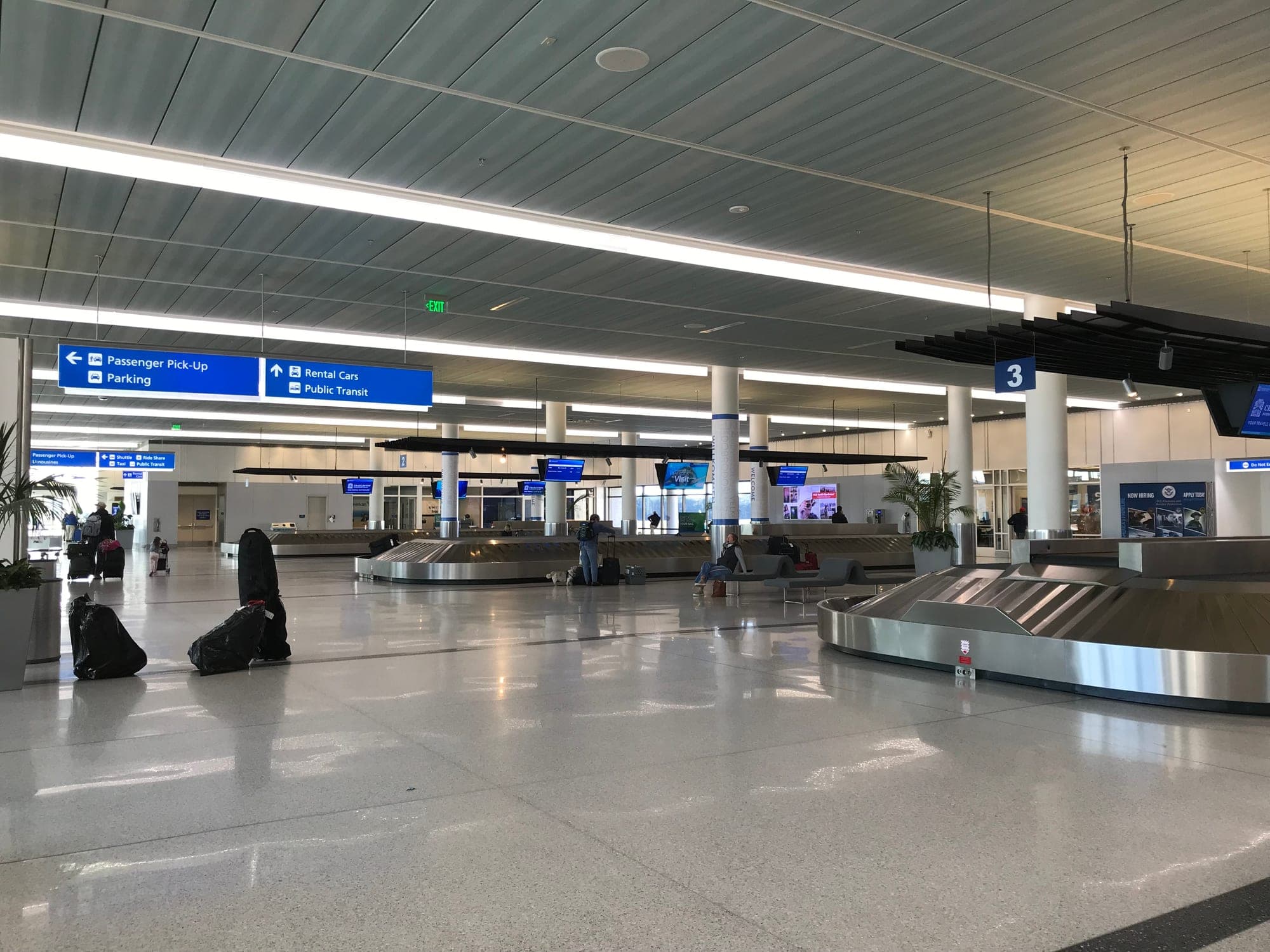
The project added a rental car pavilion, a consolidated Transportation Security Administration checkpoint, an expanded baggage handling system and an entirely new front curb. The ticket hall was rebuilt, and a central marketplace of shops and restaurants opened, with many local brands, according to the authority.
The centerpiece is a new Central Hall under an 18-foot-tall dome, with two-story windows that look out on the runway. Brown tile floors were replaced with about 100,000 square feet of terrazzo, and the building now has 80,000 square feet of glass, the authority said.
The work came in stages, according to a timeline the authority released Tuesday. Ground was broken in October 2012, and work on an expanded aircraft apron began that December. The rental car pavilion opened in March 2014. The Concourse B extension and the consolidated checkpoint opened in April 2015. The renovated Concourse A and Central Hall followed in April 2016.
In January, the authority put the program’s cost at $199 million.
Growth during construction
The terminal now serves about 3.5 million passengers a year, the authority said. Passenger counts have risen 70% since 2000, to a record 3.4 million last year.
Six airlines fly from the airport: Delta Air Lines, American, United, Southwest, JetBlue and Alaska Airlines. Together they run more than 160 daily arrivals and departures, with flights to 16 cities. About a half-dozen new routes were added during construction, and airlines have moved to larger planes, according to the authority.
That growth has drawn notice from credit analysts. In December 2015, Standard & Poor’s raised its rating on the airport district’s 2013 revenue bonds to A+ from A, the authority reported. The airport had $174.5 million in series 2013 bonds outstanding, its only debt, according to the rating agency.
“The upgrade reflects our assessment of a small-hub airport that has demonstrated strong enplanement growth and maintained consistently strong financial metrics, specifically debt service coverage and liquidity,” S&P credit analyst Anita Pancholy said at the time.
Who built it
More than 1,500 people worked on the project, with as many as 450 on site at the height of construction, according to the authority. About 300 companies took part, and local firms won 236 contracts.
Fentress Architects of Denver designed the renovation, according to the firm. The authority’s project team list also included Austin Commercial of Dallas and the Austin Hitt joint venture of North Charleston.
Delaware North Cos. took over the airport’s food and beverage concessions in May 2014, according to the authority. Restaurants now open include DeSano Pizza Bakery, Samuel Adams Grill and Bar, Dunkin’ Donuts, Burger King, Caviar and Bananas, Harvest & Grounds and Jack Nicklaus Golden Bear Grill, with Charleston Beer Works coming soon. Shops include Hudson stores, Veranda News, Eddie Bauer, Tech on the Go and Low Country Harley-Davidson.
“This airport can now compete with the best in the nation. It’s always been a great place. It’s even better now,” said Billy Swails, chairman of the authority’s board.
A new logo
The authority also unveiled a new brand on Tuesday, its first comprehensive branding effort for its three airports. The logo is an iron gate meant to recall the work of Charleston blacksmith Philip Simmons, paired with the tagline “Your Travels, Our Pleasure.”
More than 120 people, including employees, board members, business leaders and passengers, gave input, according to Charlene Gunnells, the authority’s manager of media communications.
“The new look would likely make Philip Simmons proud, as if the artisan himself designed it to join the many other pieces of ironwork around Charleston that attract and awe visitors,” said Helen Hill, chief executive officer of the Charleston Area Convention and Visitors Bureau.
Campbell said the airport would keep working with local governments, the visitor industry and businesses.
“We are proud of the role the airport has played in the history of the Charleston region,” he said.