Work to shore up Charleston’s 19th-century underground drainage tunnels is expected to begin this fall on three downtown streets.
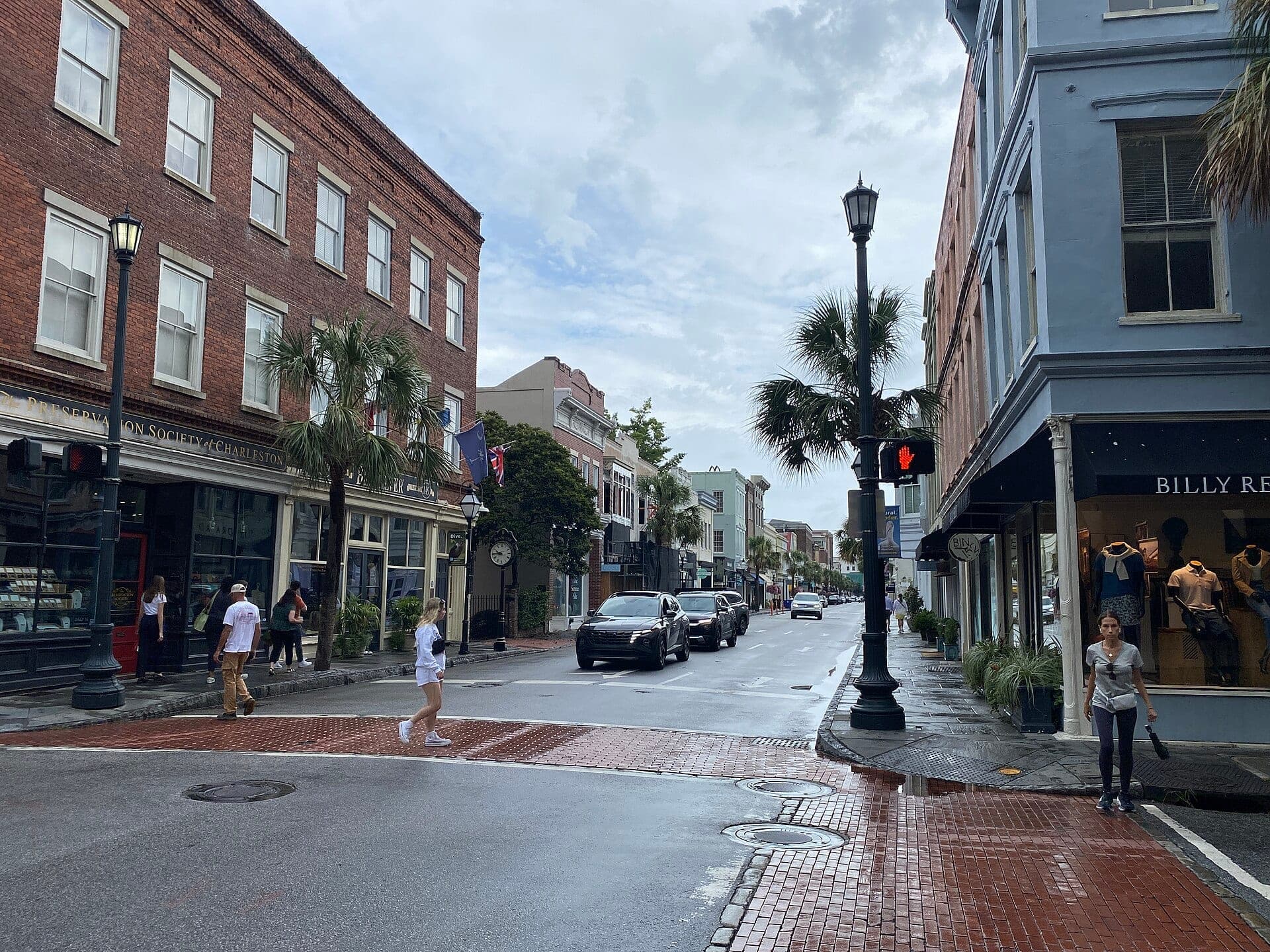
The U.S. Army Corps of Engineers and the city plan a $12.625 million rehabilitation of the historic brick-arch stormwater system under Calhoun, Coming and Tradd streets, WCSC Live 5 reported in April. Congress is covering 75% of the cost and the city 25%, the station reported.
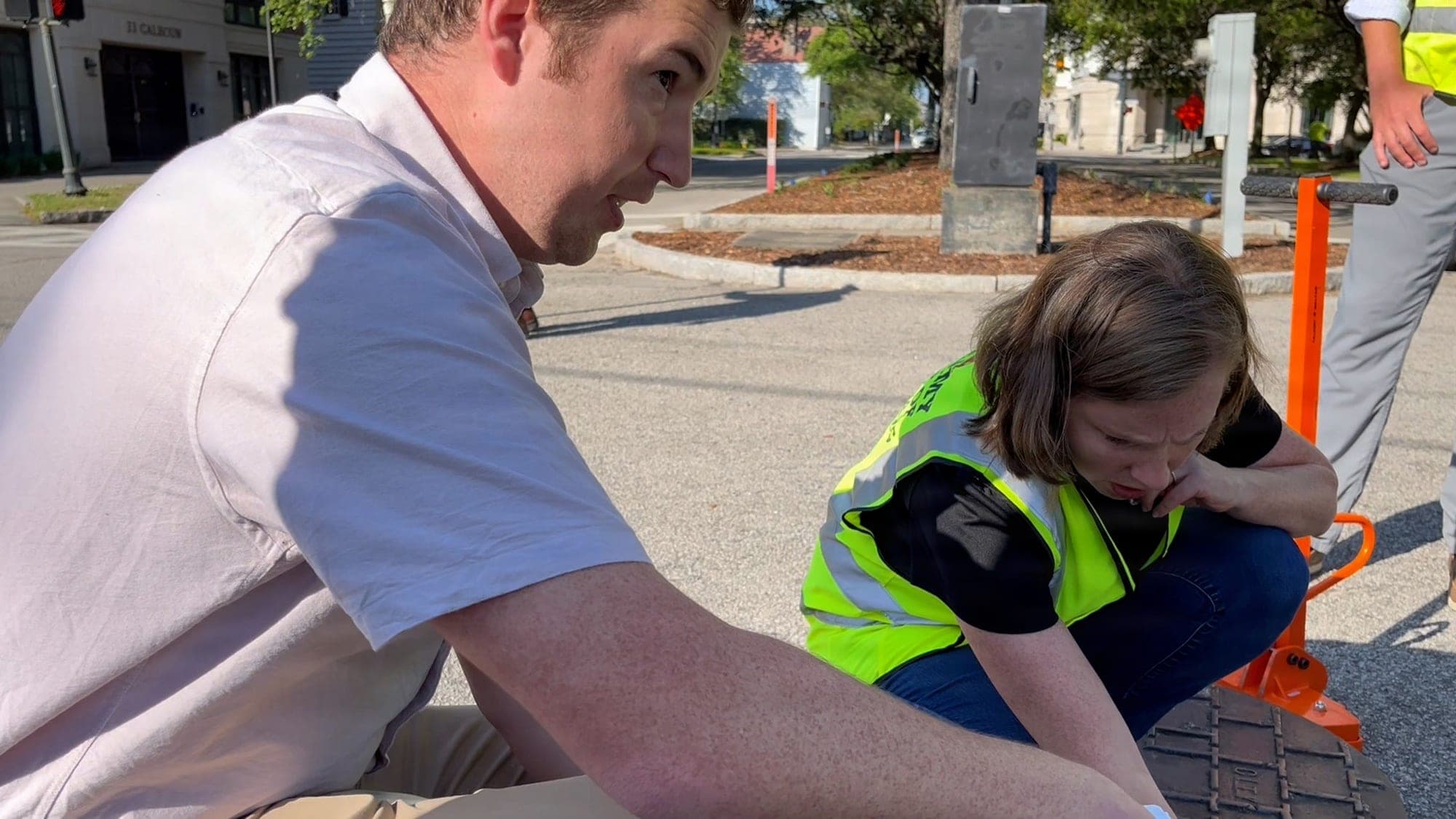
The arches run more than 10 miles beneath city streets and were built in the 1800s, according to the Corps. Crews will clean the tunnels, remove utility lines that intrude into them and then spray in fiber-reinforced shotcrete to form a new pipe inside the old brick, the Corps said. About 23 manholes will be replaced, Live 5 reported.
A Corps project manager said lining the arches is faster and cheaper than building a new system and limits disruption above ground, according to Live 5. The station reported the work would take about 18 months. In August, the Corps said it expected construction to start this fall and finish in winter 2027.
“When they deteriorate, they could cause safety concerns with potholes and things like that,” Grant Eversmann, the city’s stormwater project manager, said in an April Corps story.
The project announcements did not say how lane closures, parking or access to businesses along the three streets will be handled. Earlier arch work offers a clue. In January 2025, as City Council prepared to consider a separate city contract to clean and reline the arches, stormwater management director Matthew Fountain told WCBD that the work, done under major downtown streets, involves closing streets and rerouting traffic.
In April, the Corps said it had to complete federal environmental and historic preservation reviews before construction. It took public comments on a draft environmental assessment through May 10. Corps news releases through September did not announce a construction contract.
The project is separate from the Corps’ planned Battery extension, a storm surge barrier for the peninsula whose early construction phases are slated for 2027 to 2031, pending funding, according to the Corps.