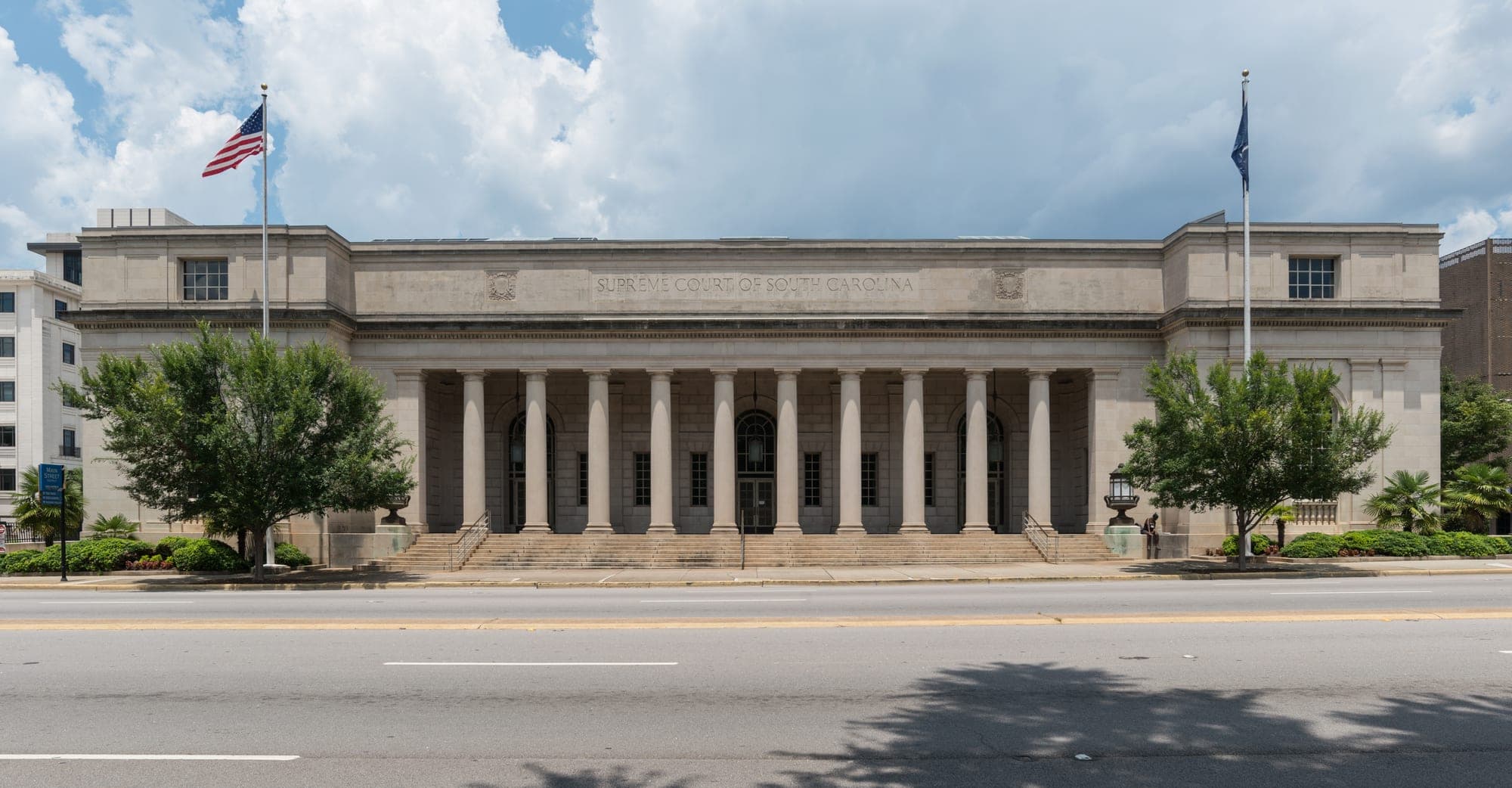
The South Carolina Supreme Court on Monday voided Charleston County’s November 2002 vote on a half-cent sales tax for transportation projects and green space, ruling that the ballot pushed voters toward a yes.
The tax passed by 865 votes, according to the court’s opinion. The ballot put the total to be collected at $1,303,360,000.
The ballot’s instructions called the measure “the traffic congestion relief, safe roads, and clean water sales tax.” Its heading read “TRAFFIC CONGESTION RELIEF, SAFE ROADS, AND CLEAN WATER FOR CHARLESTON,” which the court noted did not include the word tax.
“The voter instructions here appear calculated to persuade and ultimately mislead voters into voting in favor of the tax by obscuring the fact that a vote for clean water was a vote for increased sales tax,” Chief Justice Jean Toal wrote for a unanimous court.
State law calls for ballot wording that helps a voter understand “the meaning of his vote, not the reason for it,” the court said.
“While we do not fault County Council for advocating the passage of this tax before election day, the fundamental integrity of the election process requires that the voters be presented with an objectively phrased choice on election day,” the opinion said.
County Council enacted the tax ordinance in July 2002, according to the opinion. The County Election Commission said the ballot language did not appear neutral and advised council to change it, but council resubmitted its original wording. The State Election Commission ruled the county commission had no power to change it.
W.J. “Joey” Douan filed a protest after the election, as did state Rep. Wallace Scarborough and other officials. The County Election Commission upheld the result. At the State Election Commission, two members voted to void it and two voted to keep it, with the fifth seat vacant, so the result stood until Monday’s ruling.
The city of Charleston and the Charleston Area Regional Transportation Authority, the city of North Charleston and the town of Mount Pleasant took part as friends of the court.
The justices did not decide a second complaint, about a yellow handout listing the tax’s projects that poll workers gave voters. They said government bodies with a stake in an election should follow the same election-day rules as private groups.
A 2000 referendum on the same tax failed by just over 900 votes, the opinion said.