Charleston is moving to put new limits on film crews and commercial photographers who use the downtown peninsula as a backdrop.
City Council’s Traffic and Transportation Committee voted unanimously Nov. 10 to approve changes to the city’s special events ordinance that would set new permit rules for film and photography work, The Post and Courier reported Nov. 17. The vote sends the amendment to the full City Council. It was not on the council’s Nov. 17 agenda, which lists the next regular meeting as Dec. 1.
Under the proposal, a permit would be required when a shoot disrupts pedestrian or vehicle traffic, blocks access to public property or creates disruptive lighting or noise for neighbors. Ordinary family portraits would not need one, and wedding photography would be treated the same way as long as it does not block the public right-of-way or public property, city staff said.
Other changes, according to the newspaper:
- No film or photography permits in residential areas on Sundays or city-recognized holidays.
- Productions would have to park cast and crew in off-street lots instead of on neighborhood streets.
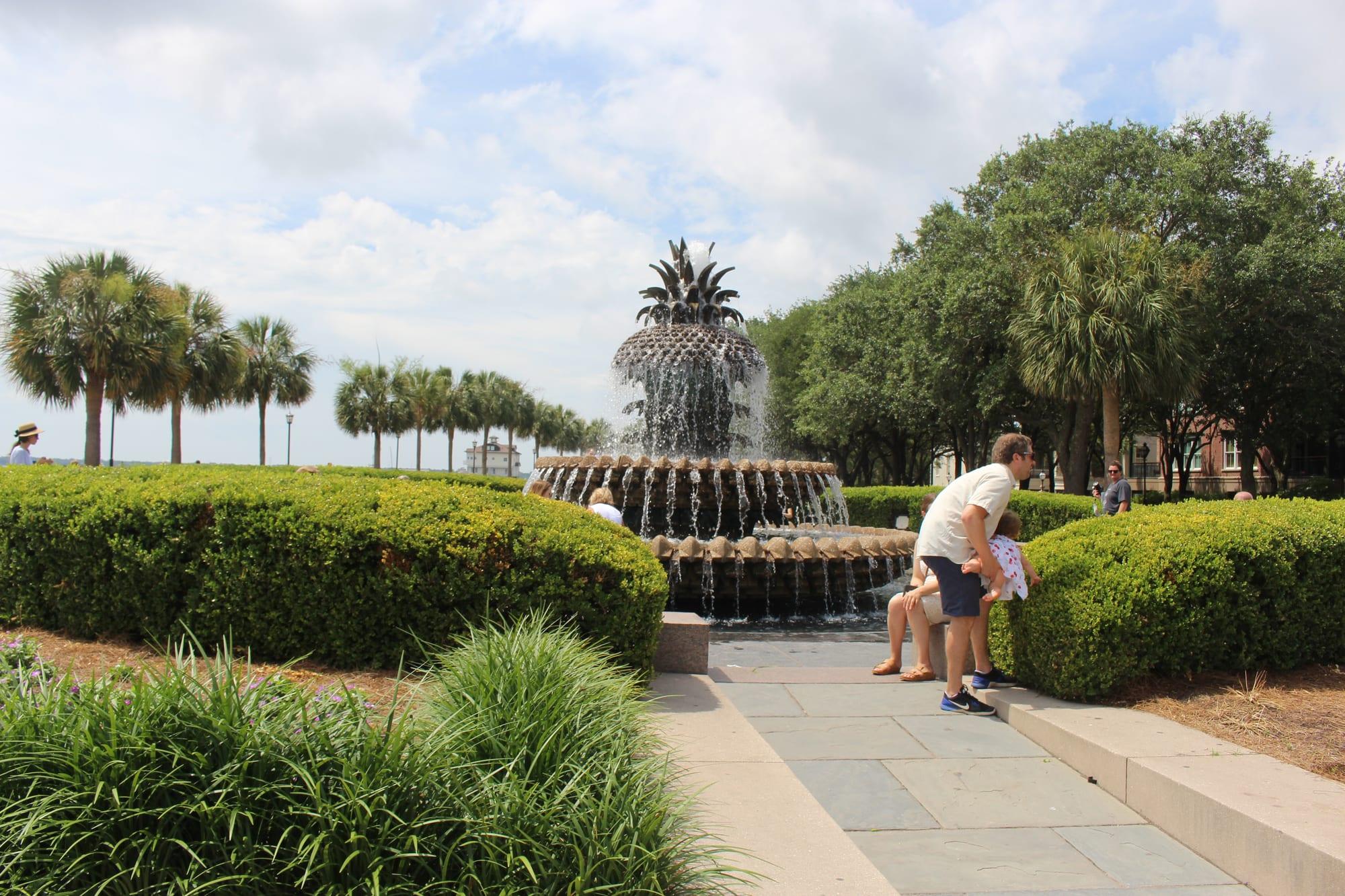
- Permits at some of the busiest tourist sites, including Rainbow Row, White Point Gardens, Colonial Lake and Waterfront Park, would be limited to one every 14 days.
- The application lead time for high-impact events and for film and photography work would rise from 72 hours to 21 days.
The changes tie into The Charleston Standard, the city’s tourism management plan, which is still in draft. “We’re just making sure all of these initiatives that we have going on are informed by one another, talk to one another and comply with one another,” Mayor William Cogswell said at the meeting.
Matt Storm, director of the S.C. Film Commission, said residents deserve notice of filming but warned about the longer lead time. “As always, though, the 21-day lead time is obviously going to be a problem for television productions looking to feature the city in their shoot,” he said, according to the newspaper.
In 2025, film industry members and local photographers objected to early drafts of the policies as too vague or restrictive, the Post and Courier reported.