Drivers who park on Charleston’s peninsula will soon pay with a phone instead of a meter.
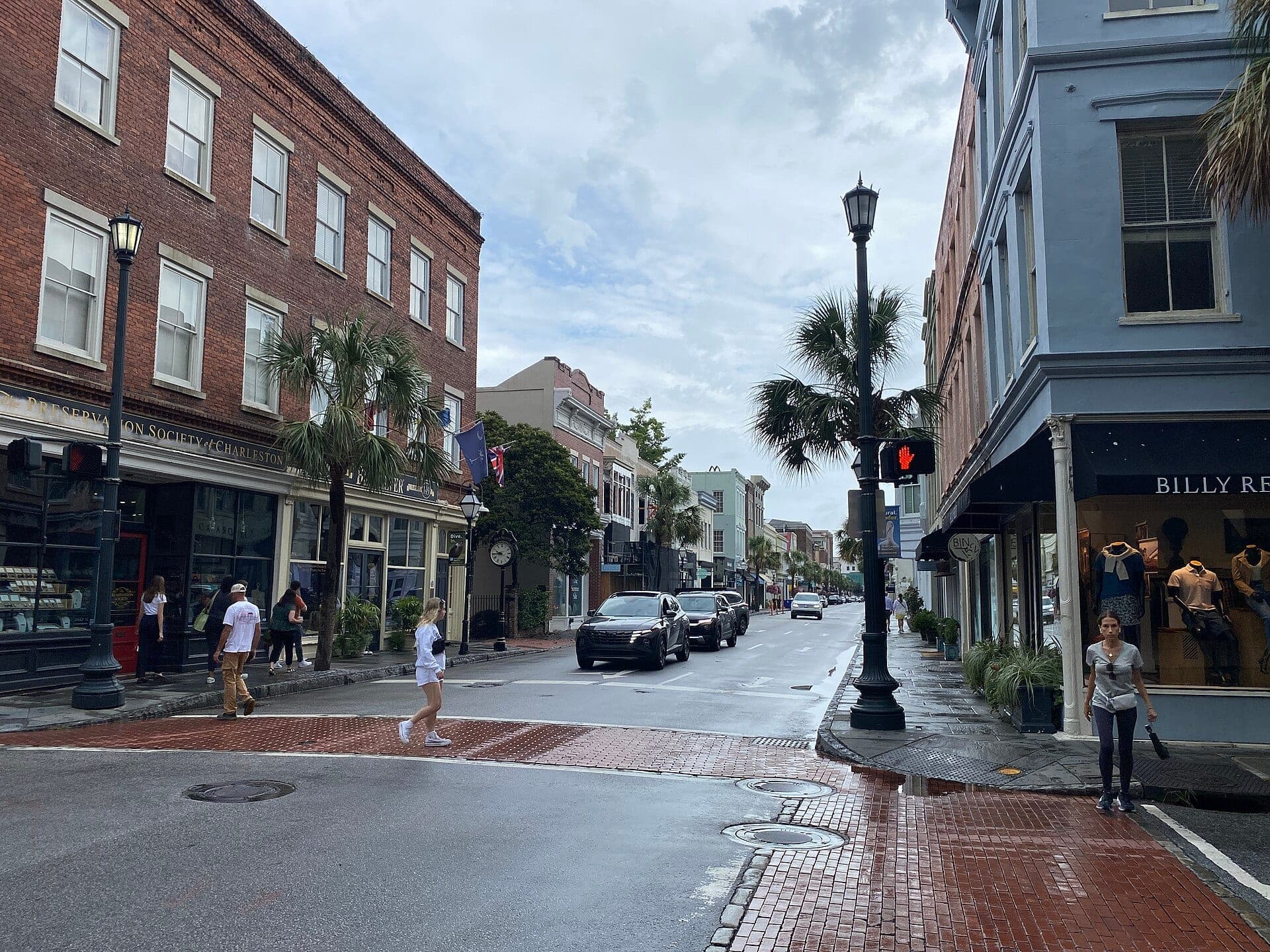
The city announced Oct. 15 that it is moving on-street parking to ParkMobile over the next several weeks and will gradually remove its physical meters over the next several months, starting on the eastern side of the peninsula. It expects significant completion by the second quarter of 2027. Parking rates will stay the same, Live 5 reported, citing the city.
Drivers will enter the zone number posted on nearby signs, choose how long to stay and add a license plate and payment method, through the app, online or by a call-in line that doesn’t require a smartphone. Sessions are tied to the plate, so there is no receipt to display. The app sends a reminder before time runs out and lets drivers add time remotely, up to the posted limit. Meters keep taking payment until they are removed.
The city called the switch one of the first concrete steps under its new tourism management plan and said moving away from aging meter equipment will help spaces turn over instead of being occupied for hours or days. A modern system “helps keep spaces turning over for the people who live, work, eat and shop downtown,” Mayor William Cogswell said in the announcement.
Kam Shankle, a chef who works downtown, told Live 5 that easier payment helps customers and workers but may not make spots easier to find. “It might be a double-edged sword because more people means more traffic,” he said.
The meters coming out are only a few years old. The city approved $900,000 in 2023 for upgraded meters from Flowbird, and about a year later roughly half of the new meters were malfunctioning, cutting revenue, The Post and Courier reported. A city spokesperson told the newspaper those problems have since been resolved and that Flowbird was acquired by ParkMobile’s parent company, which lets the city remove meters while keeping its contract.
The city made about $2.7 million from meters in 2025, the newspaper reported. Its traffic and transportation department has requested nearly $102,000 in the 2027 budget for the pay-by-plate switch and $50,000 for kiosks to support it. The city plans to pass its budget in December.