Shoppers in Dorchester County pay less sales tax than their neighbors in Berkeley and Charleston counties. A Nov. 3 referendum would narrow that gap to pay for schools.
Voters will decide whether to impose a 1% education capital improvements sales and use tax for up to 15 years. If approved, it would take effect April 1, 2027, according to Dorchester School District Two. Dorchester County Council put the question on the ballot with a resolution adopted Aug. 3.
The South Carolina Revenue and Fiscal Affairs Office projects the tax would raise $688.2 million over 15 years, the district said. District Two would get 85% and Dorchester School District Four 15%.
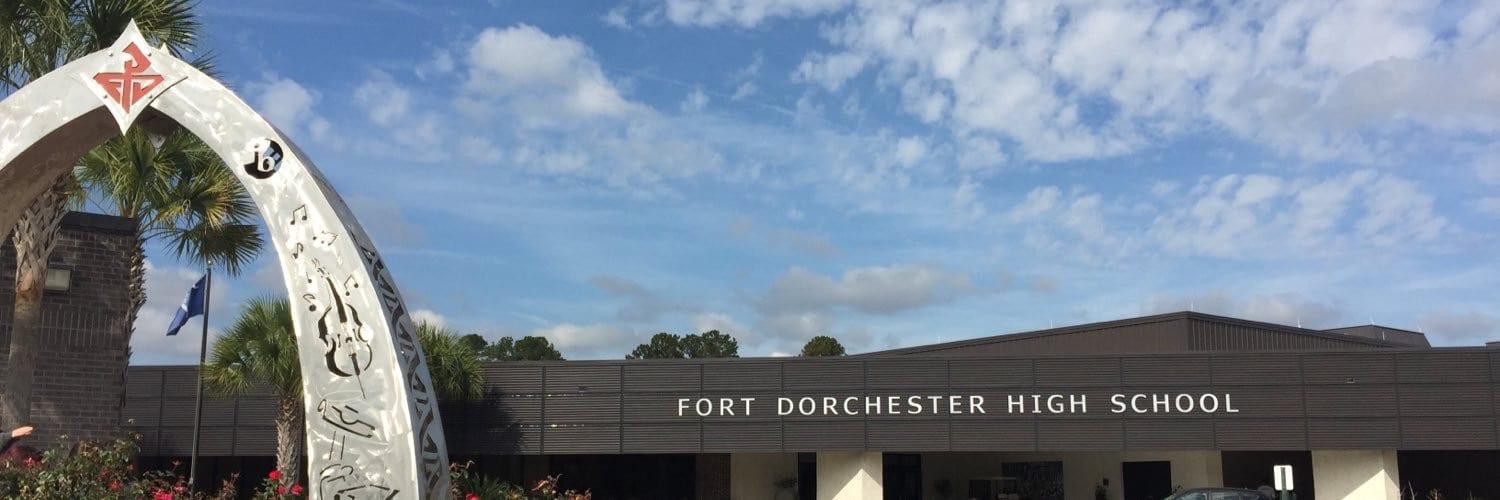
Each district would use 10% of its share to reduce the debt service millage on property tax bills. The rest would go to projects listed on the ballot, including a new school or schools near Highway 61 and Delemar Highway and renovations at Summerville, Fort Dorchester and Ashley Ridge high schools. District Four’s list includes new schools to replace the existing ones in Ridgeville and St. George. State law limits the money to capital costs, not salaries or other day-to-day expenses, and exempts groceries from the tax, the district said.
Dorchester’s sales tax rate is now 7%, the state’s 6% plus a 1% local transportation tax, according to the South Carolina Department of Revenue. Berkeley and Charleston counties charge 9%, and both already levy an education capital tax. That leaves different rates inside one town: the parts of Summerville in Berkeley and Charleston counties are at 9%, while the Dorchester County part is at 7%.
The council’s resolution said the tax “would enable the County to capture revenue from visitors and shoppers who live outside Dorchester County.” District Two estimates that a typical household would pay about $143 a year.
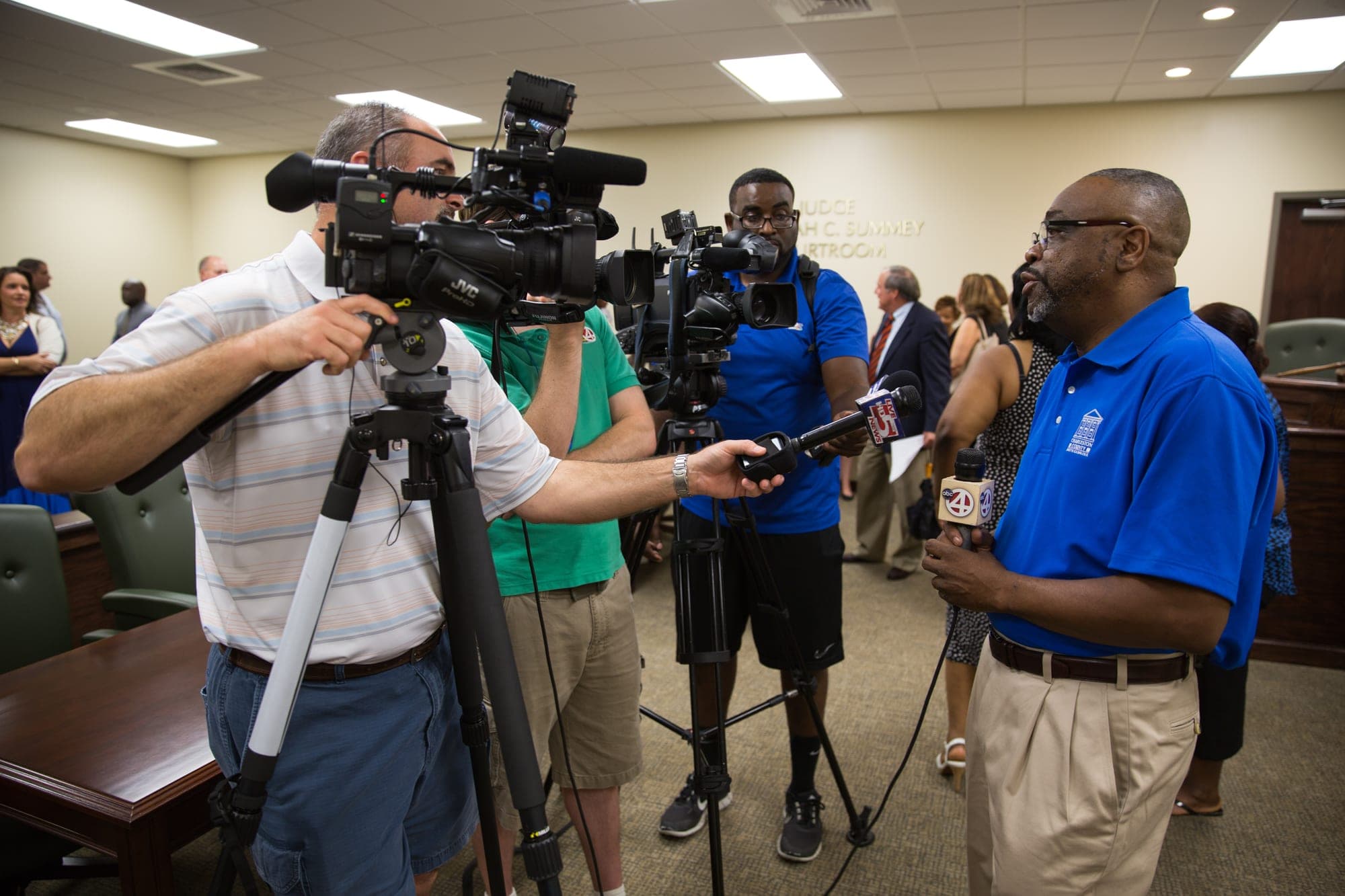
The council voted unanimously to put the question on the ballot, WCIV-TV reported. Not every resident is convinced. Dorchester County resident Timothy Lewis told the station the tax would not solve the districts’ building needs and was “just kicking the can down the road unless they come up with some better options.” He said he was not against funding the schools.
The Charleston Metro Chamber of Commerce’s political action committee endorsed the tax Oct. 9, along with Charleston County’s transportation sales tax and a continuation of the Charleston County School District’s 1-cent sales tax. Early voting runs through Oct. 31.