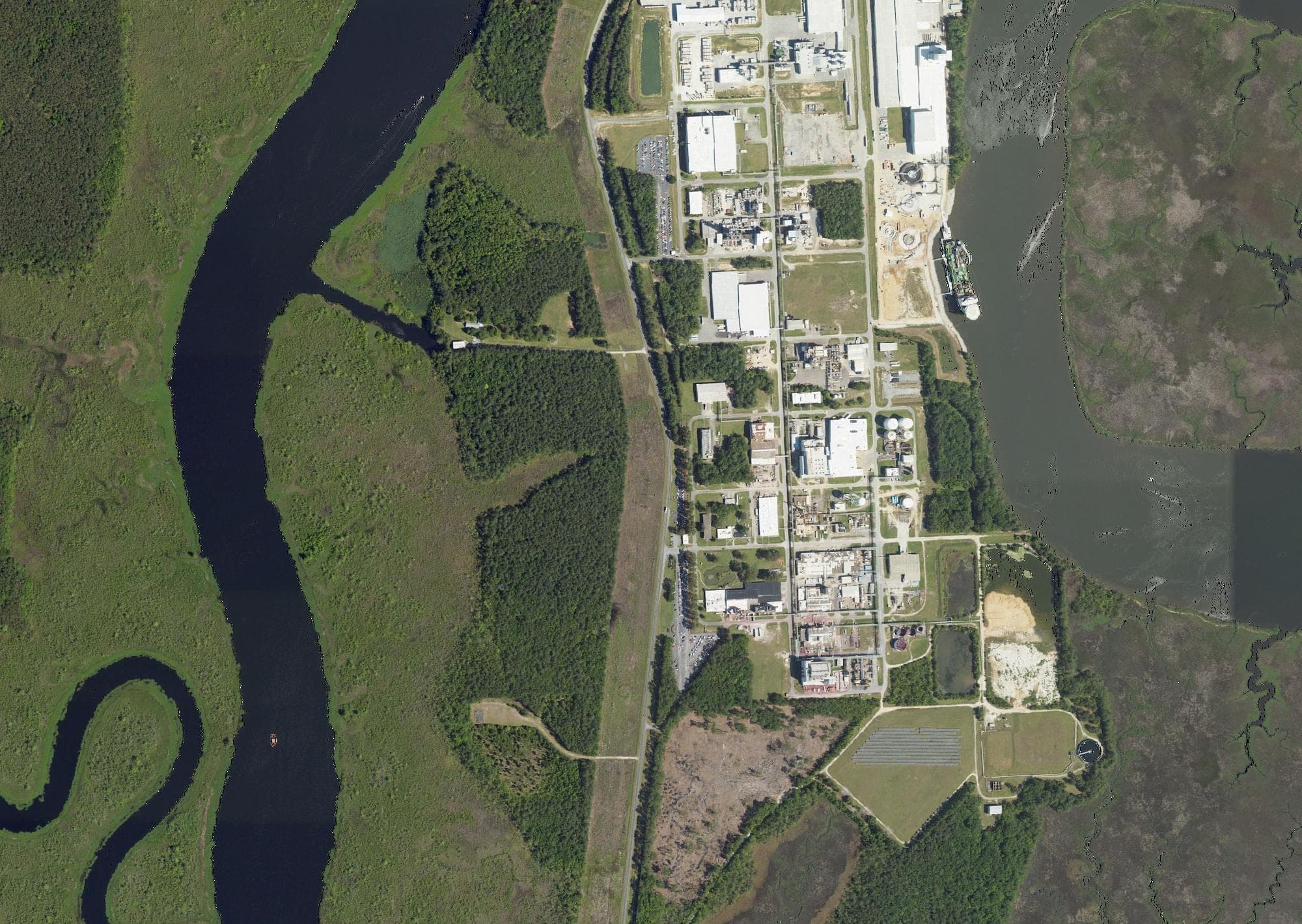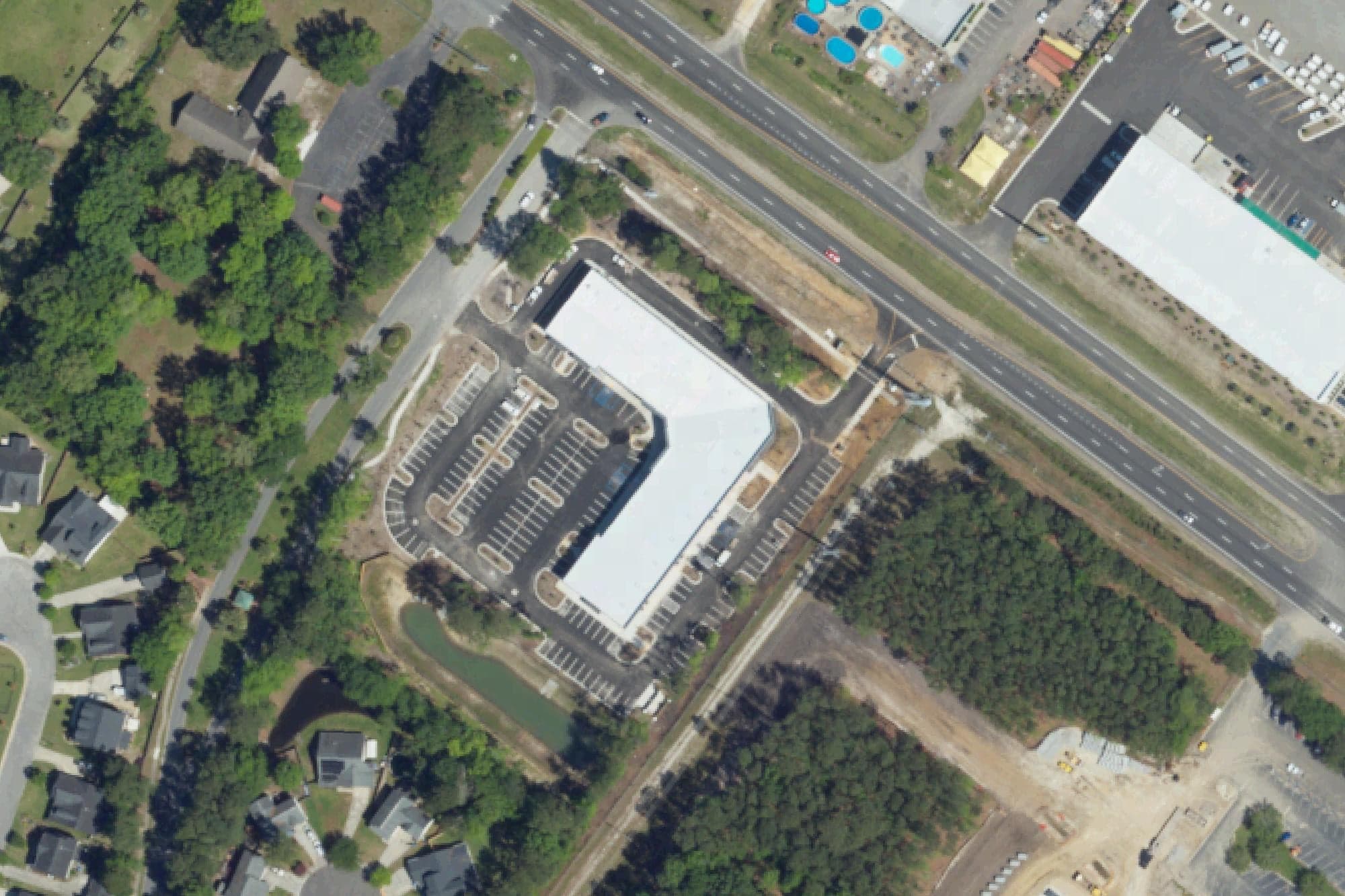
Ingevity still runs its global headquarters from O’Hear Avenue in North Charleston. Since Jan. 1, it no longer runs the crude tall oil refinery that sits on its North Charleston plant campus.
The company completed the sale of its North Charleston crude tall oil refinery assets and most of its Industrial Specialties product line to Mainstream Pine Products LLC, Ingevity announced Jan. 5. The all-cash deal called for $110 million at closing, subject to customary adjustments, plus up to $19 million more if the business hits future performance milestones.
After those adjustments, Ingevity received $93.1 million in cash and recorded a $54.2 million gain on the sale, according to its quarterly report for the period ended June 30.
“The completion of the sale of our CTO refinery assets and Industrial Specialties product line is an important step in our strategic plan to simplify and streamline our business as a best-in-class specialty materials company,” President and CEO Dave Li said in the January announcement.
Neighbors on one campus
The refinery assets sit on the same campus as Ingevity’s Performance Chemicals plant in North Charleston, the company said. Crude tall oil is a byproduct of making paper pulp from softwood, and with the sale Ingevity said it was exiting its remaining product lines based on it.
Because the two operations share a site, the deal came with long-term ties. Under a 20-year ground lease with up to eight 10-year renewals, Ingevity leases property used by the divested operations and grants Mainstream easements and licenses to use parts of its plant at 5598 Virginia Ave., according to the quarterly report. The companies also signed a 20-year reciprocal plant operating agreement to provide each other services, a transition services agreement of up to 12 months, and an environmental indemnity agreement.
Ingevity kept its pavement technologies business and its lignin-based dispersant products, the company said.
A smaller company
The refinery sale is part of a broader reshaping. On April 15, Ingevity sold its road markings product line to PPG Industries for $63.2 million in cash, according to its quarterly report.
The company is also reviewing strategic alternatives for its Advanced Polymer Technologies segment, which makes caprolactone polymers in Warrington, England. As that sale process moved forward in the second quarter, information from potential buyers suggested the unit’s value on Ingevity’s books might not be recoverable, and the company recorded a $32.1 million impairment charge, the quarterly report says.
In its annual report filed in February, Ingevity described a future company built around two segments: Performance Materials, which makes activated carbon, including products for automotive gasoline vapor emission control, and Pavement Technologies.
The company traces its roots to Westvaco Corp. in 1964 and became independent when it separated from WestRock in May 2016, according to the annual report. It employed about 1,500 people when it filed the report, about 74% of them in the United States.
The second quarter
Ingevity reported second-quarter net sales of $314.1 million on July 29, down 5% from a year earlier, mostly because of the road markings sale. Excluding that line, sales rose 5%. Net income from continuing operations was $39.8 million, or $1.13 per diluted share.
Performance Materials sales rose 4% to $160.6 million, which the company attributed partly to a continued shift in consumer preferences from battery electric vehicles to hybrids.
Ingevity raised its full-year outlook for adjusted EBITDA, a measure of earnings before interest, taxes, depreciation and amortization, to $380 million to $400 million. It expects full-year net sales of $1.05 billion to $1.15 billion.
“We are delivering on the commitments we set at the beginning of the year,” Li said in the earnings release. He said the company’s recent municipal water treatment contract for PFAS filtration “provides early commercial validation of our technology.”
Operating cash flow was negative $15.8 million in the quarter, largely because of a $113.2 million litigation payment, the company said. That payment, made April 1, ended a dispute with BASF that began when Ingevity sued the chemical maker in 2018 over a patent on fuel vapor canister technology. A jury found for BASF on antitrust counterclaims in 2021. After a federal appeals court ruled against Ingevity on Feb. 11, the company decided not to pursue further appeals, according to the quarterly report.
What’s next
Ingevity will report third-quarter results after the market closes Nov. 4 and hold a webcast at 10 a.m. Nov. 5, the company announced Oct. 7.
Li, who became CEO in 2025, previously led CMC Materials, according to the annual report. Phil Platt is now chief financial officer, according to the company’s investor announcements.
The refinery now belongs to someone else, even as it shares a campus with the plant Ingevity still runs.