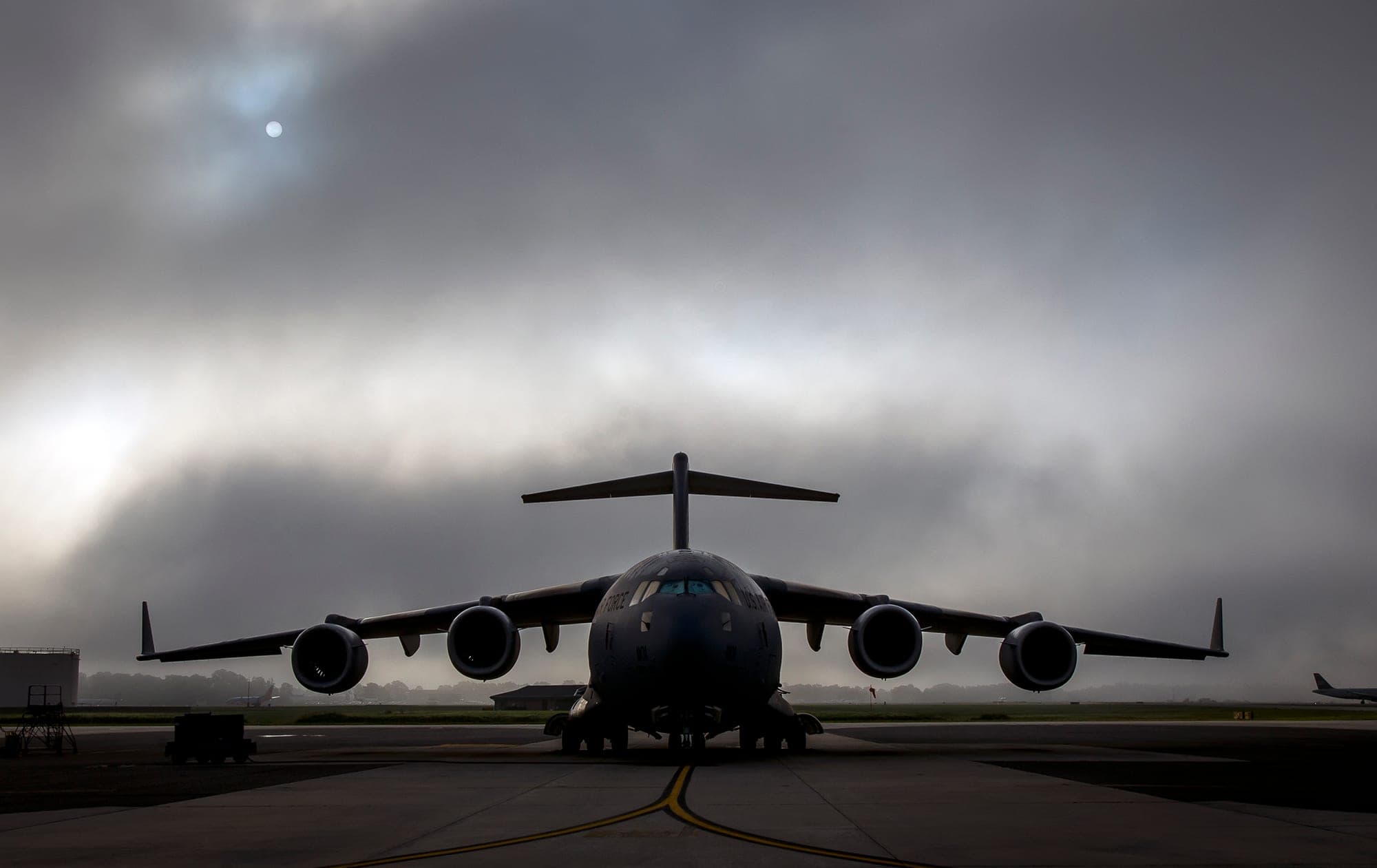
Joint Base Charleston has a $10.6 billion economic impact across South Carolina, the base said Wednesday, citing an updated statewide study. The base said the figure keeps it the largest military presence in the state.
The South Carolina Military Base Task Force and the University of South Carolina’s Darla Moore School of Business published the study, “The Economic Impact of South Carolina’s Military Community: A Statewide and Regional Analysis,” in April, the base said. The figure includes the base’s mission partners such as the Army’s 841st Transportation Battalion, the Army Strategic Logistics Activity and the Navy’s SPAWAR Systems Center Atlantic, known as SSC Atlantic.
The 2017 figure is below the $11.1 billion the base cited from the Moore School’s 2015 version of the study for itself and the same partners. The base said the 2015 study counted SSC Atlantic numbers from outside South Carolina. The Navy engineering center also has facilities in Norfolk, Va., New Orleans and Stuttgart, Germany.
In the 2015 study, the base itself accounted for $7.4 billion of economic output and $3.4 billion in labor income, and SSC Atlantic accounted for $3.7 billion in output and $1.7 billion in labor income, according to the study’s executive summary. That study put the military community’s total impact on the state at about $19.3 billion a year, supporting 152,812 jobs and more than $8.6 billion in labor income.
Both studies used IMPLAN software and an input-output model of the state economy with economic links among more than 500 industries, according to the base.
“Although the numbers in the two studies differ slightly, the fact remains, JB Charleston has an enormous economic impact in the Lowcountry, as well as the state of South Carolina,” said Air Force Col. Rob Lyman, the joint base commander.
The base covers 23,000 acres and supports more than 60 mission partners from the Air Force, Navy, Army and Marine Corps, along with federal law enforcement training agencies, according to the base. It serves a total population of 90,000 active-duty, Reserve, civilian, dependent and retiree members and maintains $7.8 billion of physical infrastructure, including three seaports, two airfields, 22 miles of coastline and 38 miles of rail.
“We are grateful for our Lowcountry community and their continued support and partnership,” Lyman said.