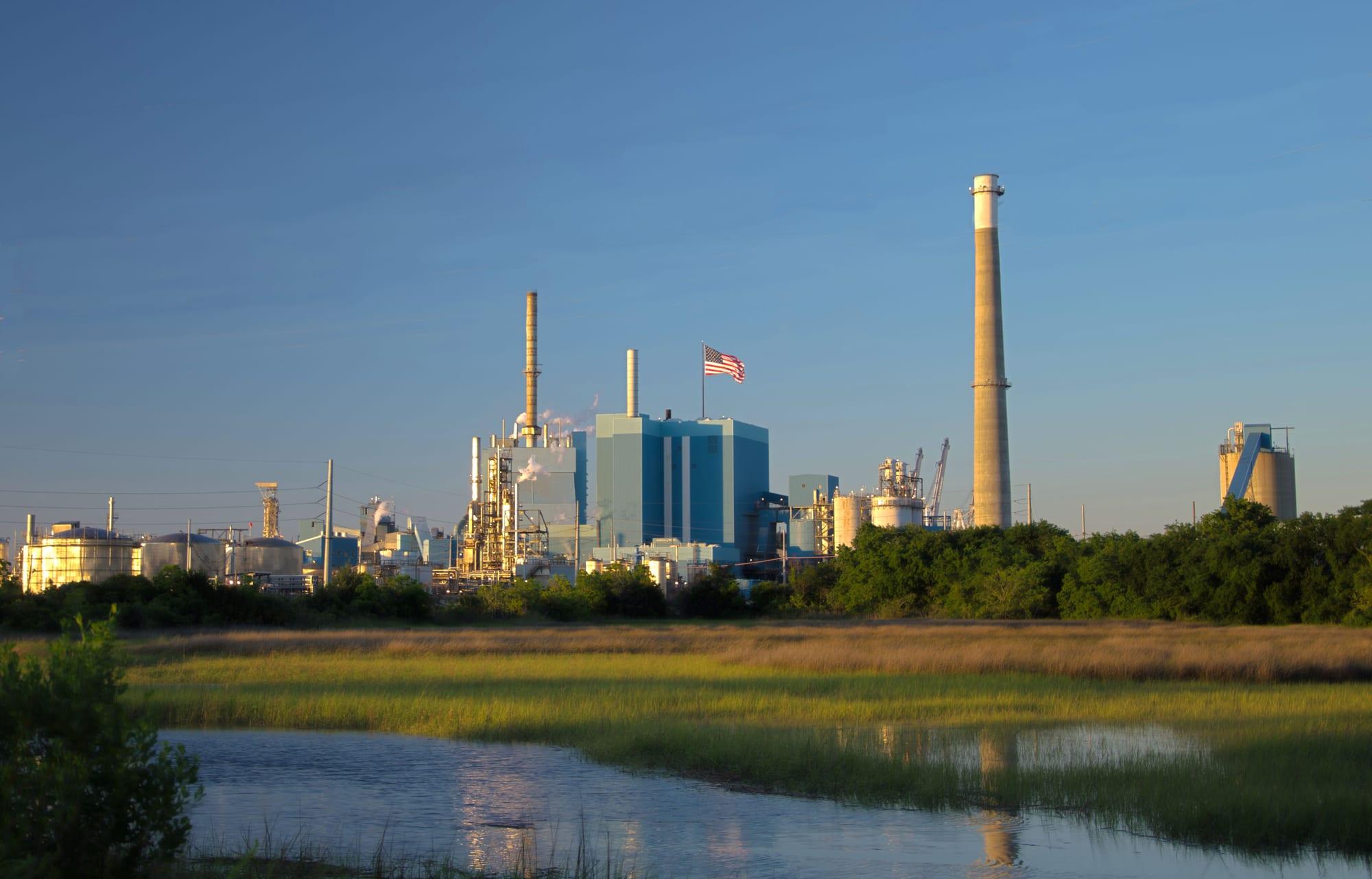
KapStone Paper and Packaging Corp. now owns the kraft paper mill in North Charleston.
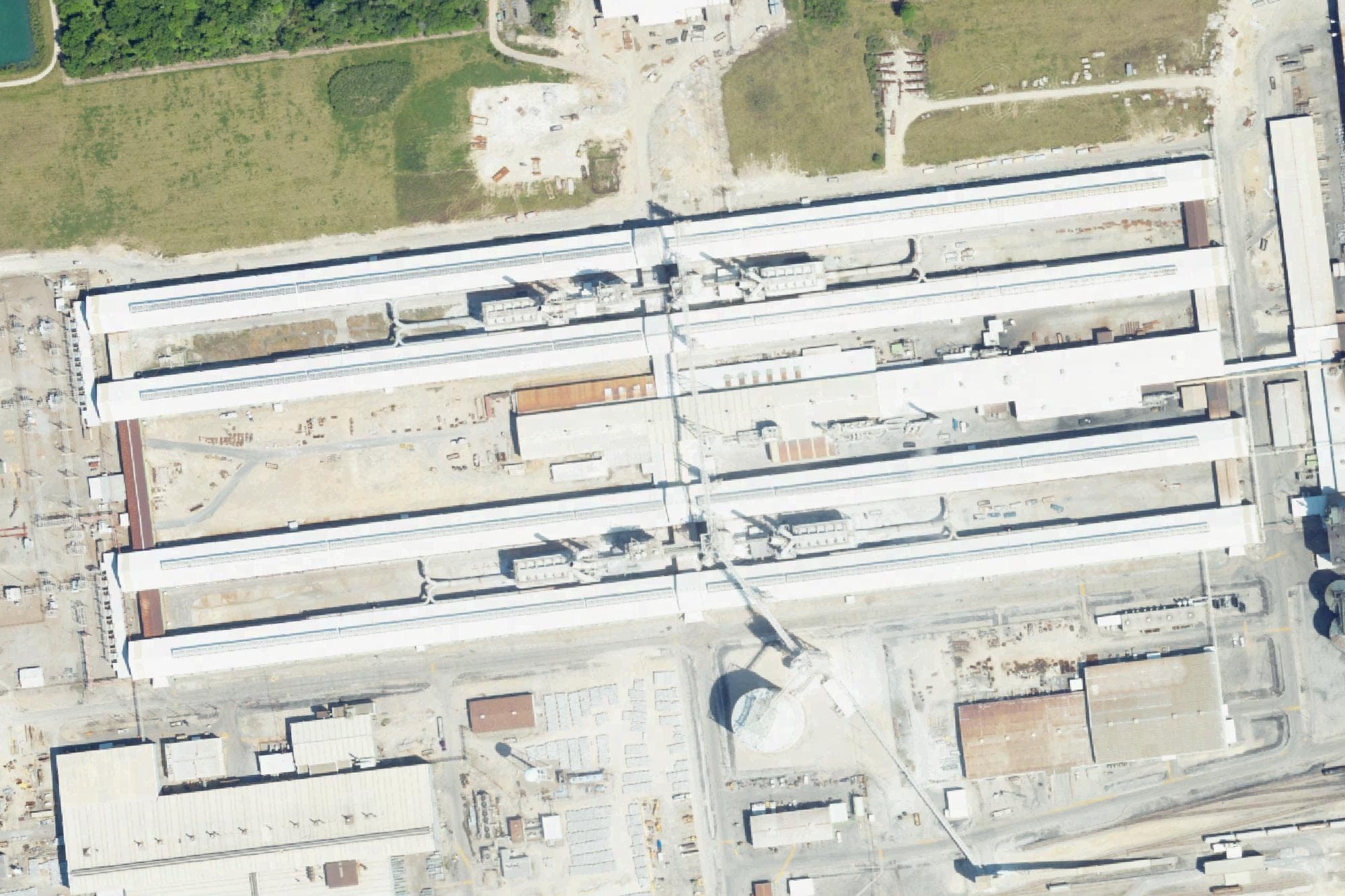
The Northbrook, Ill., company said Tuesday that it had completed its purchase of MeadWestvaco Corp.’s Charleston Kraft Division. KapStone acquired the North Charleston mill, a lumber mill in Summerville, chip mills in Elgin, Hampton, Andrews and Kinards, and all of Cogen South LLC, the mill’s on-site cogeneration plant, according to announcements from both companies.
The base price was $485 million in cash. After adjustments for working capital and capital spending, KapStone paid about $475 million, subject to more post-closing adjustments, the company said. It paid for the deal with borrowings under a new $515 million senior secured credit facility, announced June 12, and $40 million in senior notes.
In 2007, the North Charleston mill produced 833,000 tons of saturating kraft, linerboard and kraft folding carton board, the companies said.
“The acquisition of the Charleston Kraft Division of MeadWestvaco Corporation is an important step for our company,” Roger W. Stone, KapStone’s chairman and chief executive officer, said in the company’s announcement. “It expands our platform from which we intend to achieve our strategic vision. We are anxious to build on the success of this business while integrating it with our existing Kraft Papers Business.”
Workers and wood
About 1,100 employees at the facilities in the sale were to move to KapStone immediately after the closing, MeadWestvaco said when it announced the agreement April 7.
MeadWestvaco will keep supplying wood fiber to the North Charleston mill under a long-term fiber supply agreement, KapStone said. In April, MeadWestvaco said it would keep all of the roughly 400,000 acres of forestland it owns in South Carolina.
What MeadWestvaco keeps here
The sale does not end MeadWestvaco’s presence in the Charleston area. Its Specialty Chemicals business will keep operating next to the mill and receiving raw materials from it, the company said Tuesday. Its Community Development and Land Management Group, which manages company landholdings including the conservation-driven master plan for East Edisto, will also continue to operate from the Charleston area.
MeadWestvaco, which lists its global headquarters in Glen Allen, Va., said it plans to use a substantial portion of the after-tax proceeds to pay down debt and expects to report a modest gain on the sale.
When the deal was announced in April, Chairman and CEO John A. Luke Jr. said the mill no longer matched where MeadWestvaco was headed.
“MWV’s growth strategy is focused on providing total packaging solutions for customers in growing global consumer products markets,” Luke said then. “The North Charleston mill is an industry-leading facility and is well positioned to succeed in its markets, yet it is no longer an optimal fit with our long-term consumer packaging strategy.”
A young company doubles down on kraft
KapStone began as Stone Arcade Acquisition Corp., a special purpose acquisition company formed in April 2005 to buy a business in the paper, packaging and forest products industries, according to its annual report. On Jan. 2, 2007, it bought International Paper Co.’s Kraft Papers Business for $155 million in cash, plus two contingent earn-out payments. That deal brought it an unbleached kraft paper mill in Roanoke Rapids, N.C., and Ride Rite Converting, an inflatable dunnage bag maker in Fordyce, Ark.
Before the Charleston purchase, KapStone’s business employed about 700 people, the company said in April.
Stone said then that the North Charleston mill adds saturating kraft and unbleached kraft board to KapStone’s lineup and “enhances our modest position in the linerboard market.” He also said it would let the company sell into geographic markets it did not serve.
On a pro forma basis, using 2007 results, KapStone and the Charleston division together would have had net sales of about $779 million and net income of about $26 million, KapStone said Tuesday. The figures do not reflect expected cost savings or revenue synergies. In April, the company said it expected synergies of at least $2.5 million a year, with half realizable within the first year after closing.
“The Charleston mill has been successful in creating a strong global business based on long-term customer relationships resulting from outstanding quality and service,” said Matt Kaplan, KapStone’s president. “We believe the business is well positioned for the future.”
KapStone does not plan to stop with North Charleston.
“We will continue to explore other strategic acquisitions,” Stone said.