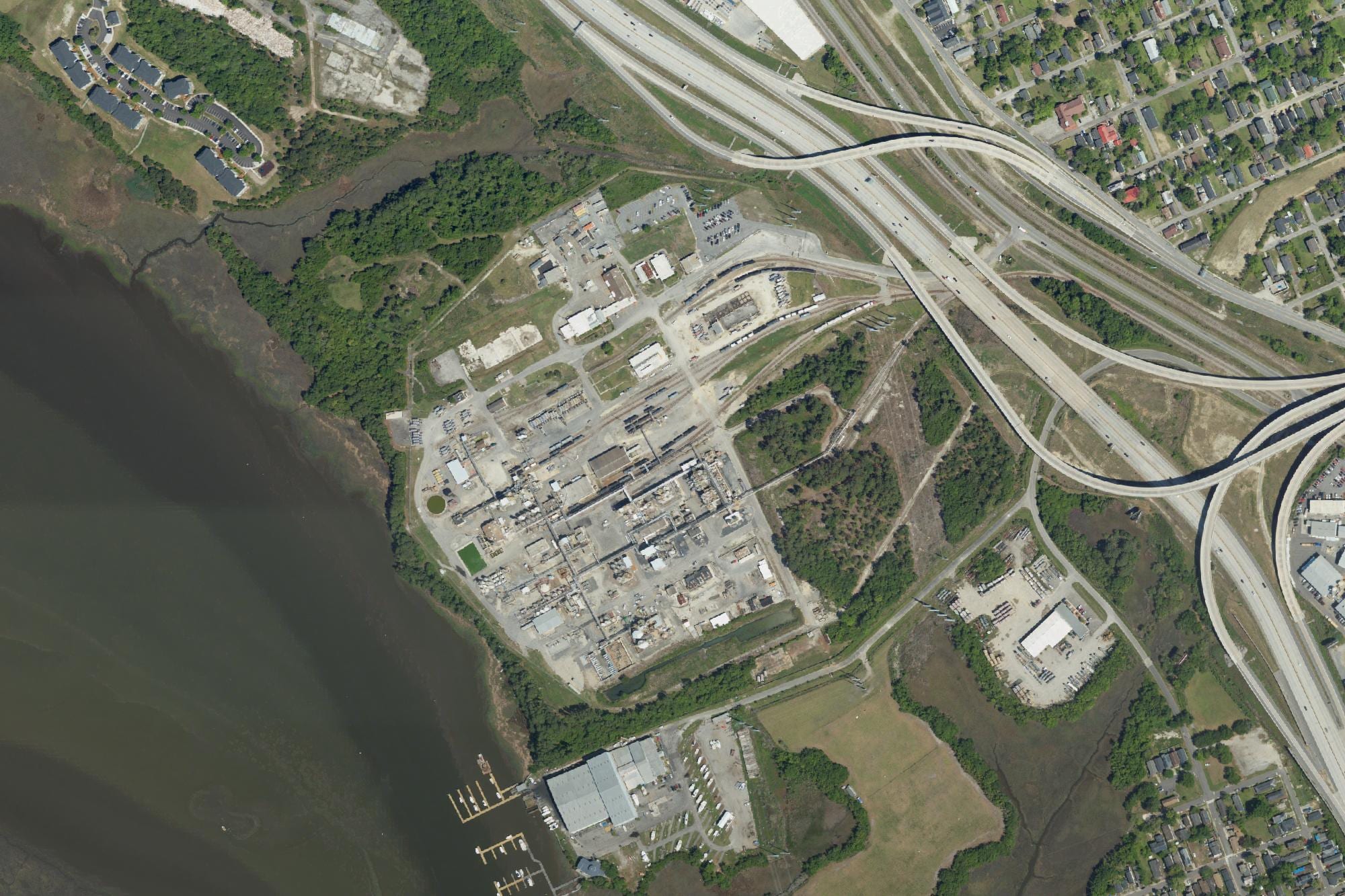
The Lanxess chemical plant in Charleston’s Neck area is facing separate federal and state enforcement over air pollution rules and recordkeeping, the Charleston City Paper reported Nov. 23.
The federal case dates to December 2024. That month, the U.S. Department of Justice lodged a proposed consent decree in U.S. District Court for the District of South Carolina in United States v. LANXESS Corporation, according to a notice in the Federal Register. The decree would have the company pay a $650,000 civil penalty, spend at least $3.545 million on supplemental environmental projects and take steps to bring the plant into compliance with the Clean Air Act, the notice said.
The government alleged the company failed to identify and monitor equipment that can leak hazardous air pollutants, control and monitor wastewater treatment processes, calculate the status of batch process vents and meet recordkeeping requirements at its Charleston plant, according to the notice.
The decree is still pending. A Justice Department spokesman said the case is before U.S. District Judge David C. Norton in Charleston, that no hearing has been held and that the decree becomes binding once Norton signs it, the City Paper reported.
Lanxess spokesperson Ellen Presutti wrote in an email to the City Paper that the company couldn’t share details about the settlement because the matter is still in progress with the Justice Department and the U.S. Environmental Protection Agency. She added that it is “an enforcement matter and not related to environmental remediation activity at our Charleston site.”
The S.C. Department of Environmental Services filed its own complaints against the company in October 2025 after reviewing records from two years earlier, the City Paper reported. A department statement said the issues involve “record keeping and documentation as it relates to the facility’s air permit.” The state’s enforcement action is ongoing and no penalties have been assessed, according to the statement.
The German-owned plant makes phosphorus trichloride and derivative products, including flame-retardant additives and intermediates for the agrochemical industry, according to the City Paper. It sits just north of the Rosemont community.
The site has a long industrial history. An explosion on June 17, 1991, killed nine workers when Albright and Wilson owned the plant, the City Paper reported.