South Carolina’s first mass transit infrastructure project has cleared a key federal hurdle, its sponsor announced Wednesday.
The Federal Transit Administration approved Lowcountry Rapid Transit, a planned 21.3-mile bus rapid transit line, to enter the engineering phase of its Capital Investment Grants program, the Berkeley-Charleston-Dorchester Council of Governments announced. The approval is a requirement of federal transit law and moves the project a step closer to full funding, the council said.
The decision sets the maximum federal contribution at $375,060,506, or 60% of the project’s current cost, according to the council of governments. The local match is committed from the Charleston County half-cent sales tax.
A project presentation prepared for Wednesday’s board meeting of the Charleston Area Regional Transportation Authority, known as CARTA, put the estimated cost at $625 million, including contingency and bond financing fees, with $250 million from local sources. The council of governments posted the presentation with its announcement.
“The FTA is required to evaluate proposed projects against a number of criteria and ensure that prospective grant recipients demonstrate the technical, legal, and financial capability to implement the project,” said Ron Mitchum, the council of governments’ executive director. “BCDCOG has met those thresholds, and we are pleased to make this announcement today.”
What riders would get
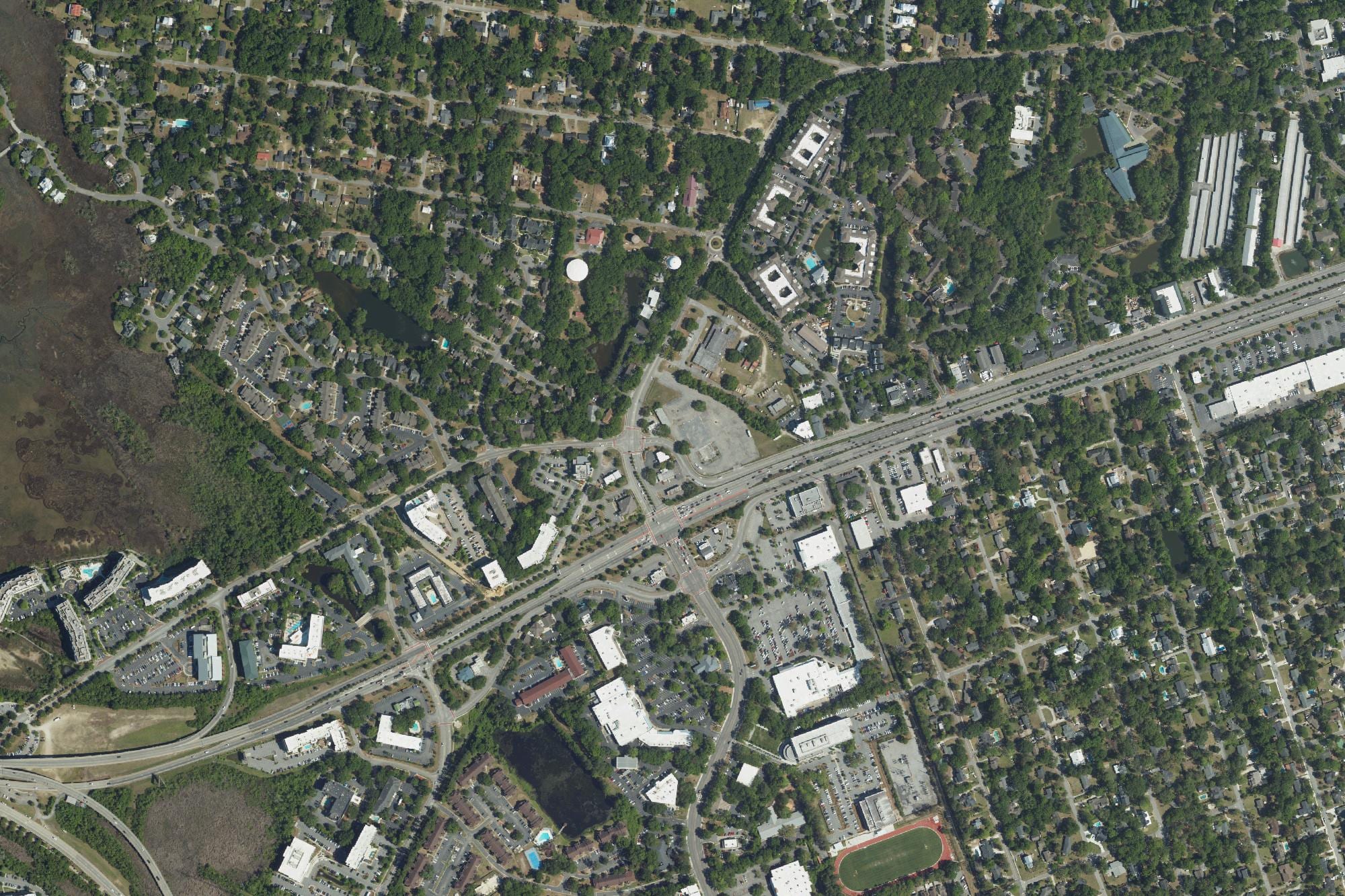
The line would run along the spine of the region on U.S. 78 and U.S. 52, which is Rivers Avenue, according to the council of governments. A regional study it conducted identified bus rapid transit as the best transit answer to growing congestion.
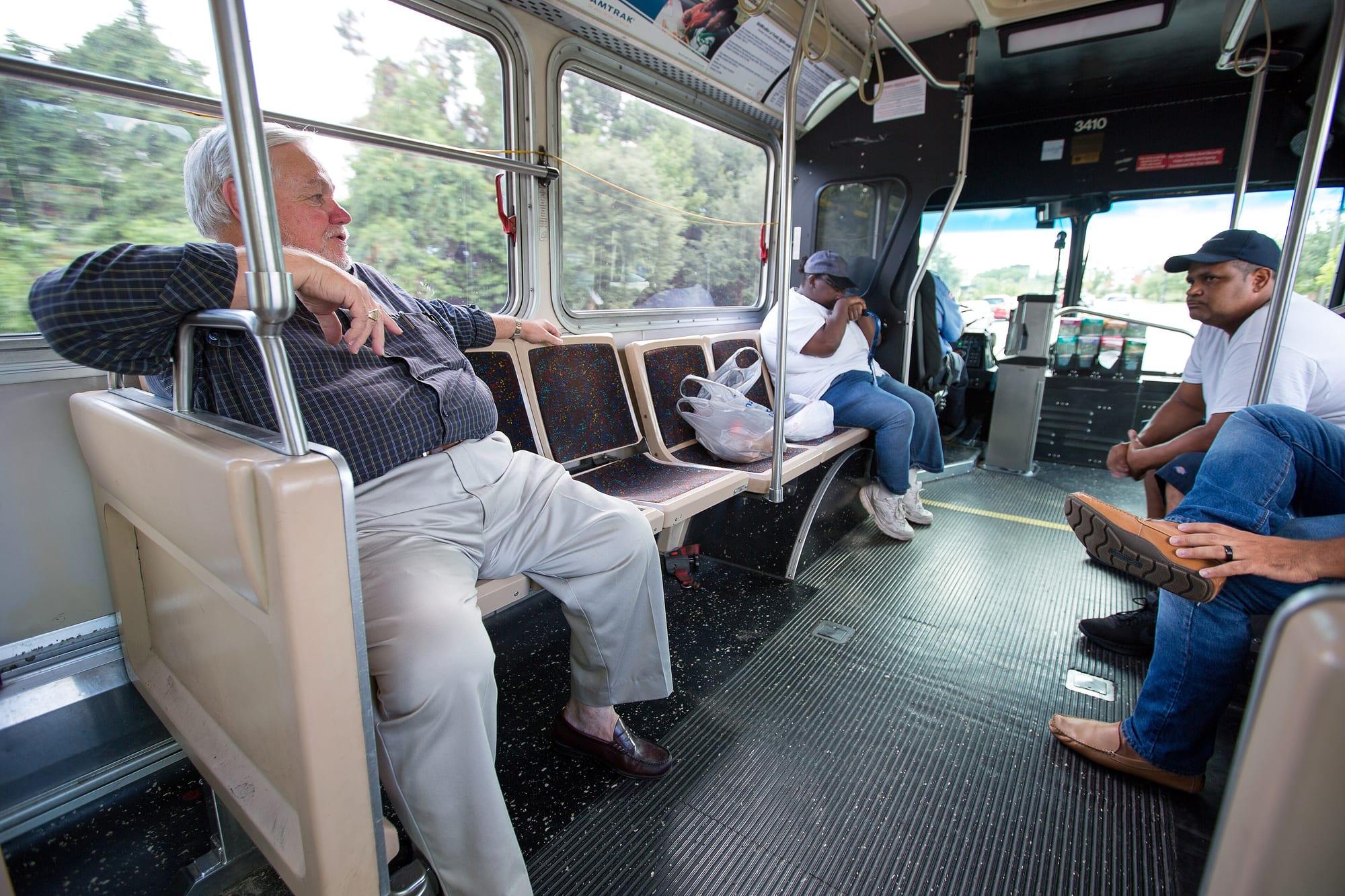
The presentation describes service from the Ladson fairgrounds area to WestEdge in Charleston, with three park-and-ride lots and a 70-minute trip from end to end. Buses would come every 10 minutes during weekday peak and daytime hours, with 20- to 30-minute service on weekends. Plans call for dedicated bus lanes, battery-electric buses, level boarding and signal priority for buses at intersections.
During its project development phase, the line achieved a medium-high rating, which it needed to qualify for the federal grant program, according to the presentation.
Who does what
Four agencies govern the project under an intergovernmental agreement: the council of governments, Charleston County, the S.C. Department of Transportation and CARTA.
The council of governments is the program sponsor and handles federal grant reporting and public involvement, according to the presentation. Charleston County provides the local funding match. SCDOT leads engineering, right-of-way purchases and construction contracts, and CARTA will buy the buses and run the service.
The engineering approval also gives the council of governments automatic authority to incur certain reimbursable costs before a grant is signed, including engineering work and vehicle purchases.
What comes next
The next step is hiring an engineering design firm through SCDOT’s procurement process, with design work projected to begin in early 2023, the council of governments said. The engineering phase is expected to last about two years and will end with the line fully designed.
After that, the FTA will review the project for a full funding grant agreement and approval to start construction. The council of governments is targeting a 2028 opening.
The presentation’s timeline calls for 60% design plans in November 2023 and the start of right-of-way acquisition and utility coordination in December 2023.
Local leaders weigh in
Teddie Pryor, chairman of Charleston County Council, called entry into engineering an exciting development and said there is still more to achieve. “We thank the community for its support and partnership in helping to make LCRT a reality,” Pryor said.
CARTA Chairman Mike Seekings called the project “history in the making.”
“This is the state’s first mass transit infrastructure project, and it is now one important step closer to reality,” Seekings said.
Business leaders have backed the project. “Private-sector leaders across the region have long recognized the importance of Lowcountry Rapid Transit and its transformative potential,” said Steve Dudash, chairman of the LCRT Strategic Leaders Partnership Committee.