Micah Mallace left the South Carolina State Ports Authority in 2022, at the tail end of a shipping boom. He came back three years later to run it in a slump.
“When I left, the transportation and logistics industry was coming off 2.5 years of incredible growth due to pandemic driven consumption,” Mallace told SCBIZ in February. Since then, he said, the industry has been left with too much capacity and falling rates. “And so a new approach is needed,” he said.
Mallace became president and CEO of the authority, known as SC Ports, on Oct. 13, 2025. A year in, that approach has meant a leaner budget, an idled terminal and a hard look at every project on the books.
A salesman’s path
Mallace joined the authority in 2011 as a regional sales director and was named chief commercial officer in early 2021, The Post and Courier reported. SC Ports credits him with a pivotal role in landing Samsung’s plant in Newberry, Gallo Winery’s facility in Fort Lawn and Walmart’s distribution center in Ridgeville. The newspaper counted the $220 million Walmart import center, which opened in 2022, among his biggest successes.
He holds a bachelor’s degree and an MBA from the College of Charleston and worked for Vail Resorts and Riverstone Residential before joining the port, according to SC Ports. In November 2022, he left to lead Harbor Logistics, a North Charleston trucking and warehousing company, where he has said he spent three years as a port customer.
The call back
When CEO Barbara Melvin resigned unexpectedly in August 2025, board Chairman Bill Stern reached out to him, Mallace told SCBIZ. The board voted unanimously on Oct. 6, 2025, to hire him on a five-year contract at $525,000 a year, the Post and Courier reported.
Within days, the authority was reviewing all of its capital projects. “I don’t want to put my name on something that’s overly optimistic,” Mallace told the SC Daily Gazette. “We want to deliver what we say we deliver.”
At his first State of the Port address, on Oct. 28, 2025, he told about 1,100 maritime industry members that “our capital investments will be tied exclusively to revenue-generating opportunities.” Goals, he said, “must be achievable, not hopes and dreams,” the Gazette reported.
Cutting costs
Cargo kept sliding. Container volume fell 4.6% in fiscal 2026, which ended June 30, and revenue of about $401 million came in roughly 5% below budget, the Gazette reported. Operating costs ran 10% under budget after the authority offered early retirement to some employees, revisited contracts and delayed hiring.
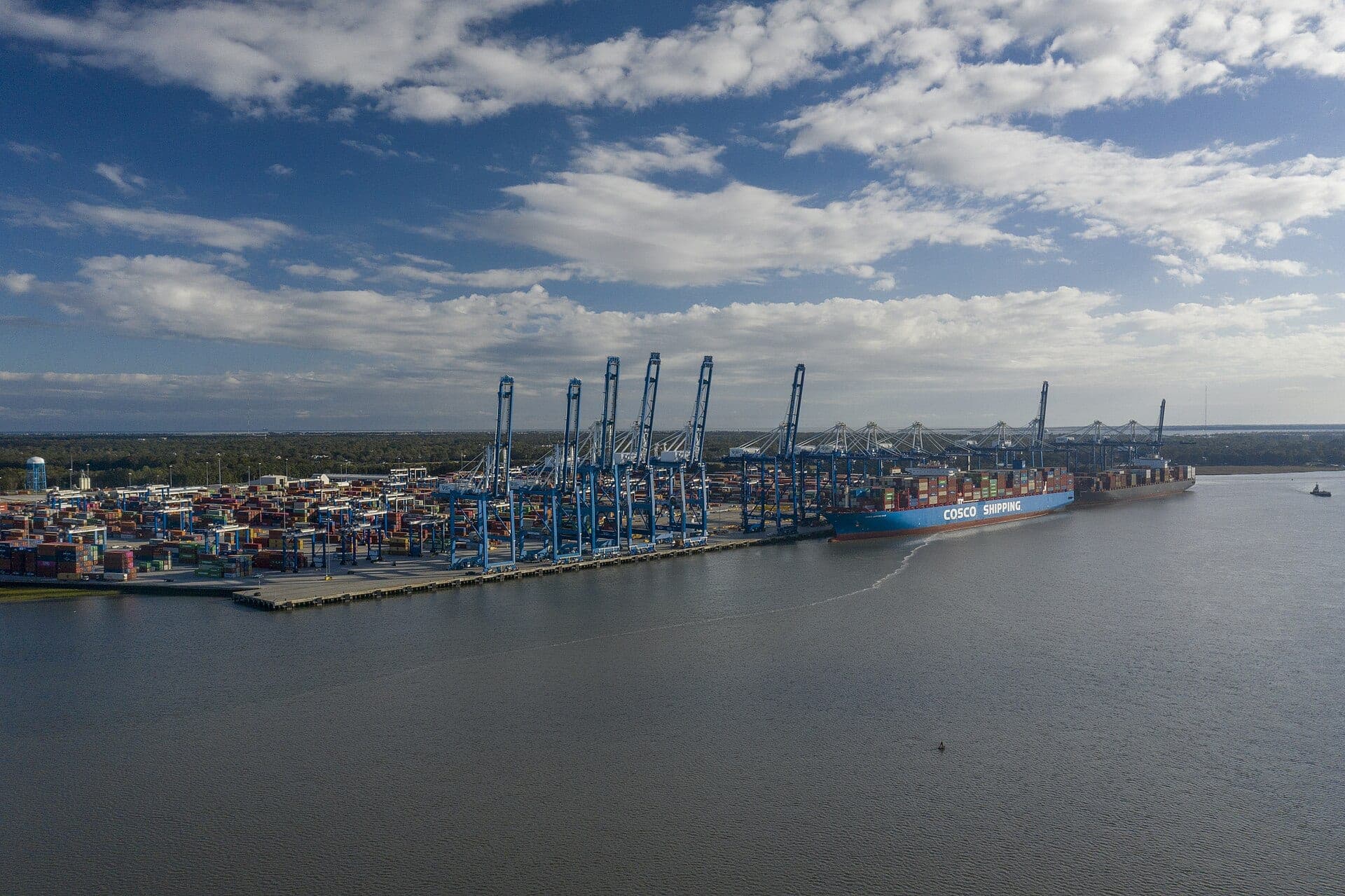
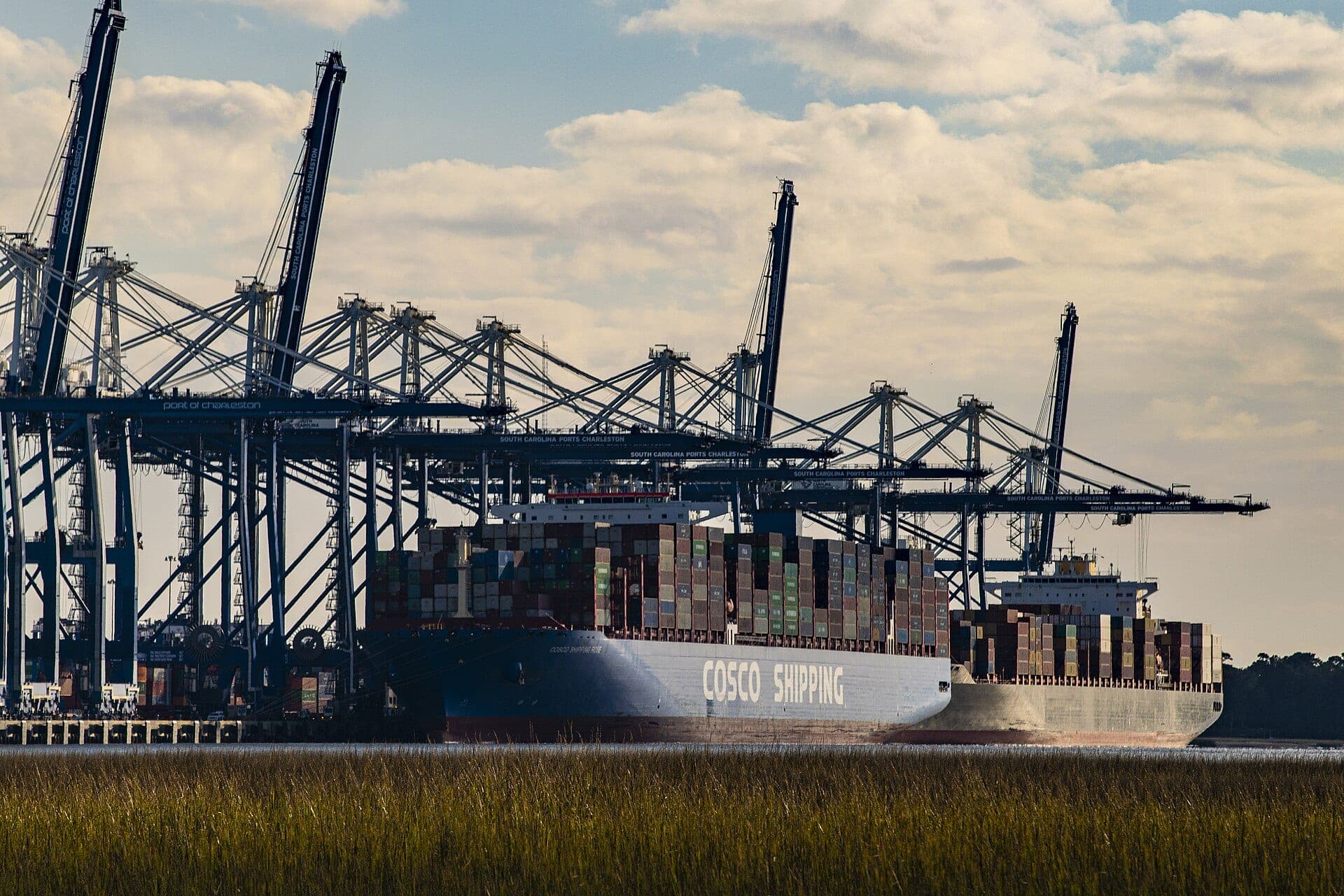
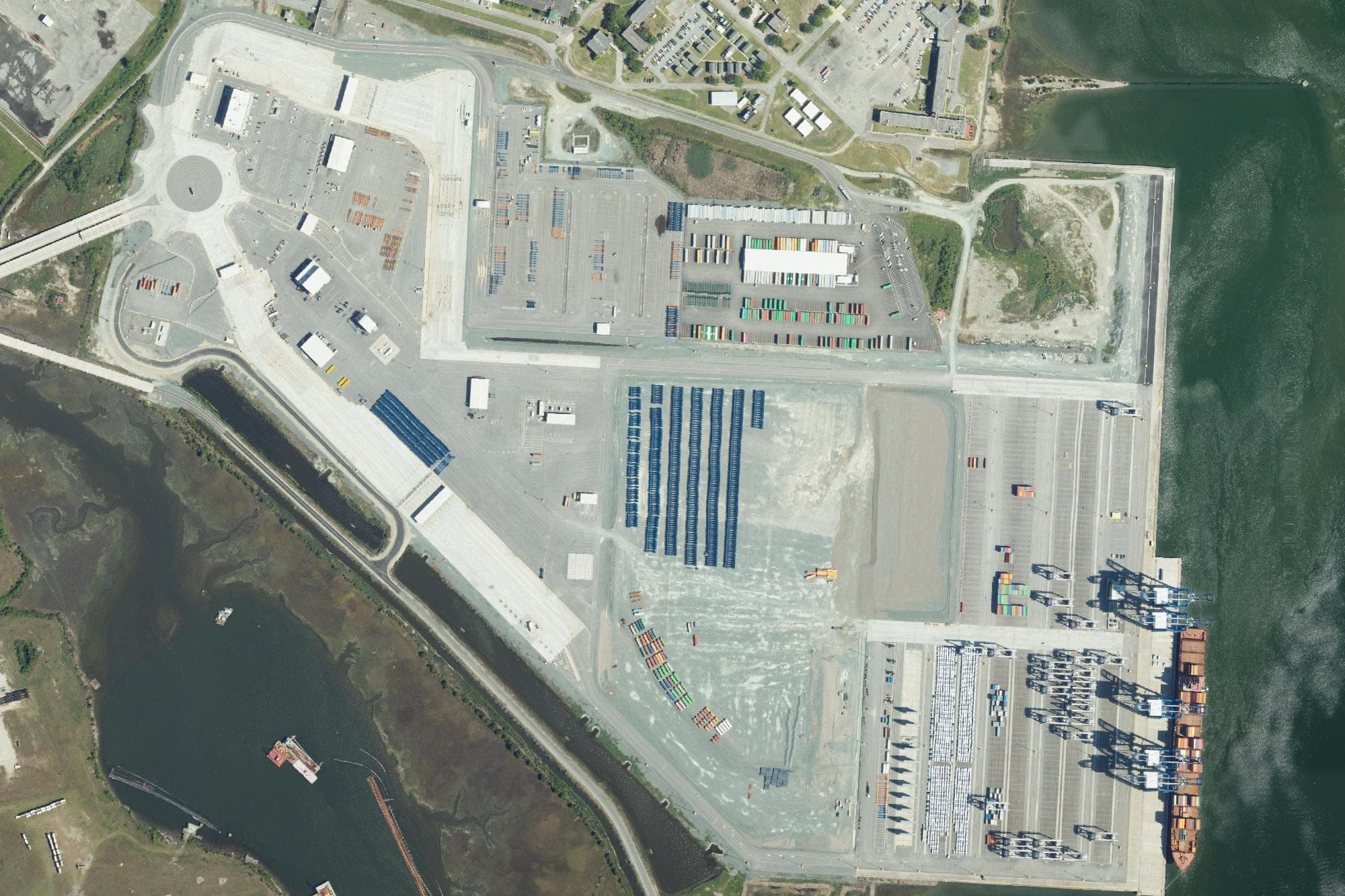
The biggest move came at Hugh K. Leatherman Terminal in North Charleston. The roughly $1 billion terminal, worked entirely by union dockworkers since a court fight ended in 2024, costs more to run than the port’s other container terminals, and many container lines have stayed away, the Gazette reported. The authority idled it Aug. 1. Mallace called it a “short-term pause.”
In June, the authority quietly asked private companies for proposals to take over day-to-day management of Leatherman, The Post and Courier reported in August. No deal has been announced. “We really believe in having multiple options so that if one doesn’t work we can just pivot to another,” Mallace told the newspaper.
Work has also slowed on the Navy Base Intermodal Facility, a delayed and over-budget rail yard next to Leatherman that still has no opening date, the Gazette reported.
Jasper on hold
One decision came to light only this month. In a May 19 letter that was not made public, SC Ports and the Georgia Ports Authority agreed to “stand down” all work on the Jasper Ocean Terminal, a joint container terminal planned in Jasper County, the Gazette reported Oct. 9. The letter surfaced through a note in the authority’s financial audit. Mallace could not be reached for comment, the Gazette reported.
In January, he told a House Ways and Means subcommittee that the authority remained committed to “delivering something in Jasper at the right time but certainly don’t have the funding nor the demand to do so in the short term.”
Selling again
Charleston’s market share has dropped about 2% since 2019 compared with other Southeast ports, the Gazette reported in April. Mallace told state senators it would take two years to return to above-market growth, and he is adding sales staff, saying “the more people we put in front of our customers, the more opportunities we will unearth,” the Gazette reported.
He has said his time away changed how he sees the port’s workforce, which SC Ports puts at more than 700 people.
“I took for granted what an incredible team the port has,” he told SCBIZ. “I’ll never again take for granted what a privilege it is to be on such a great team.”