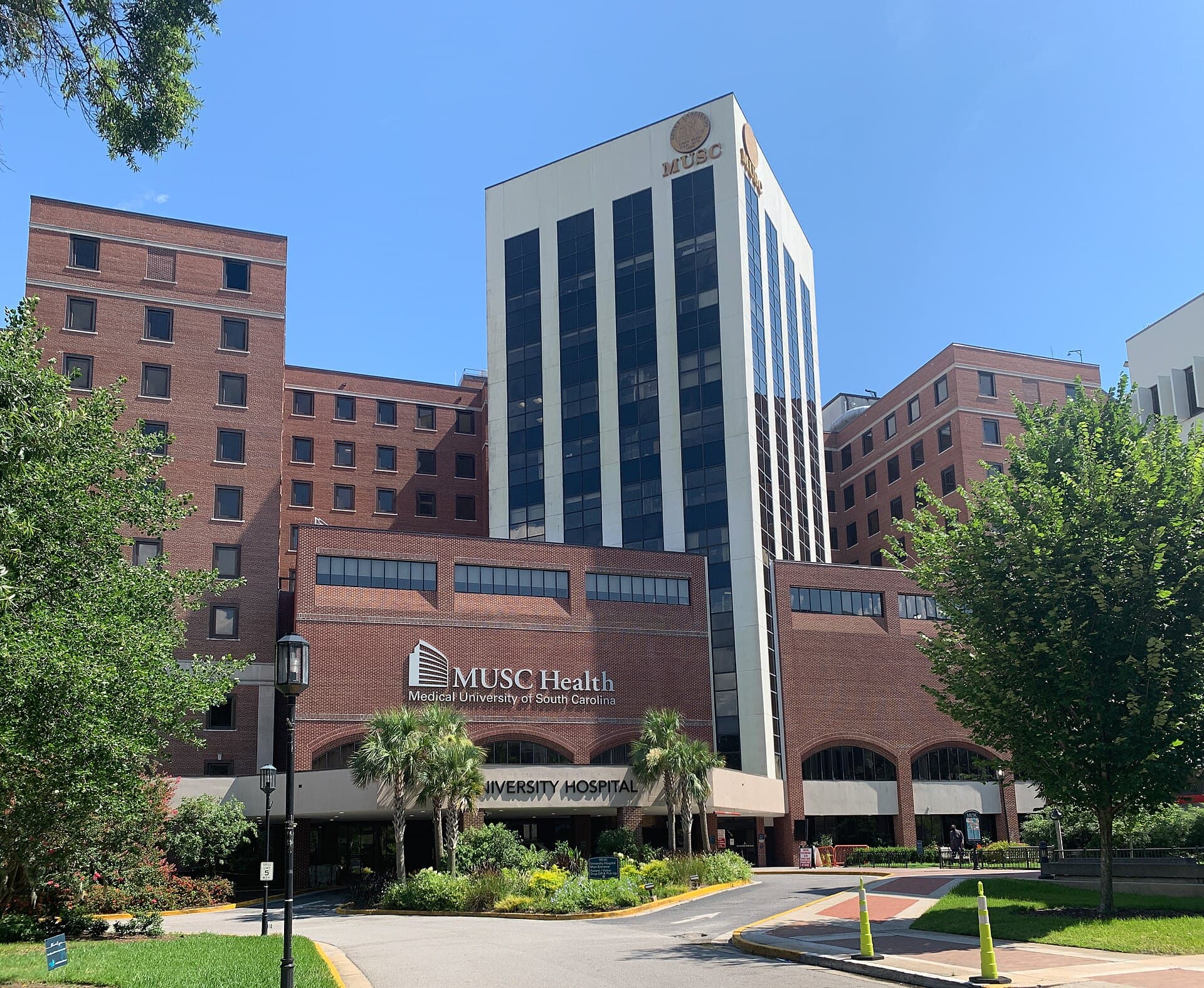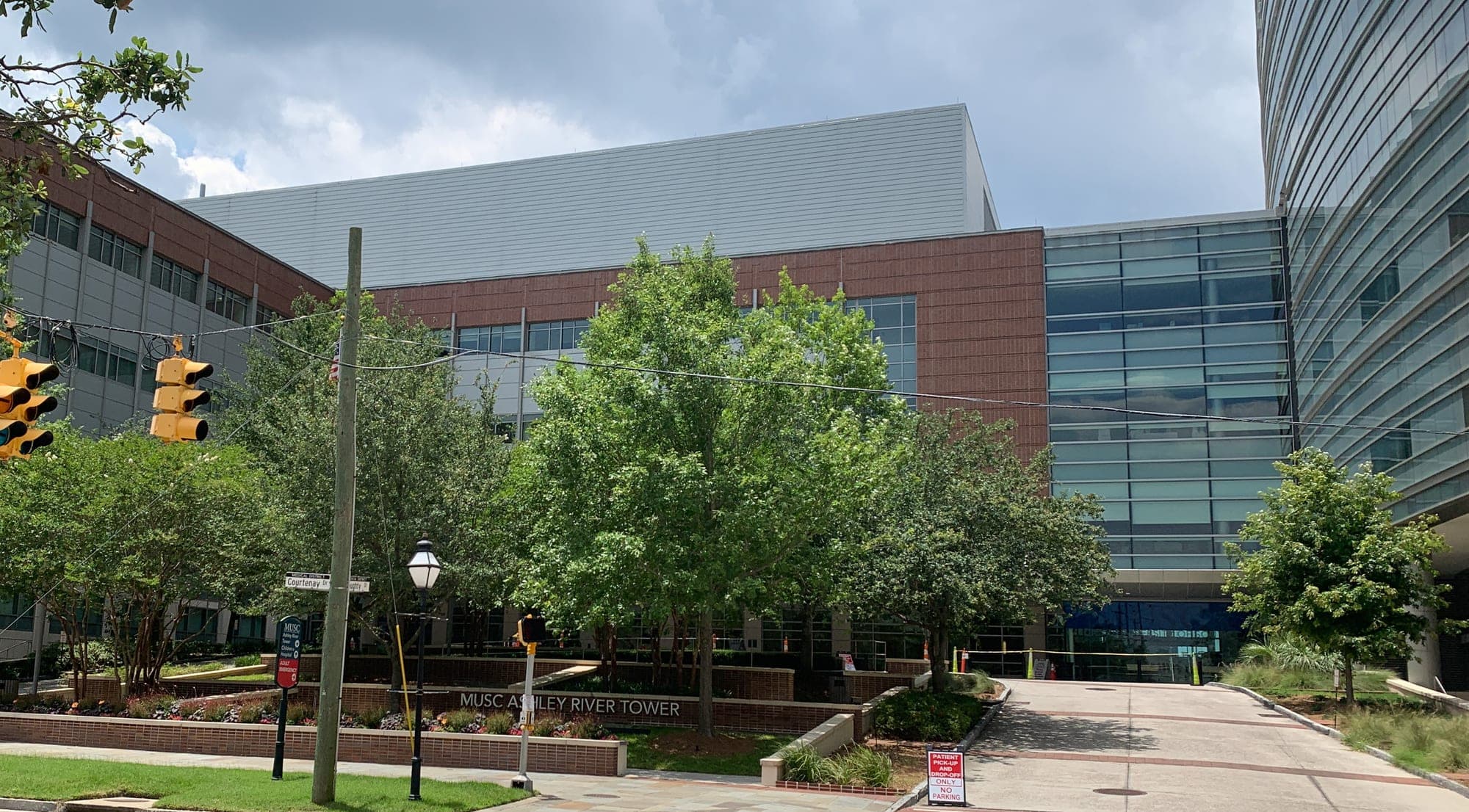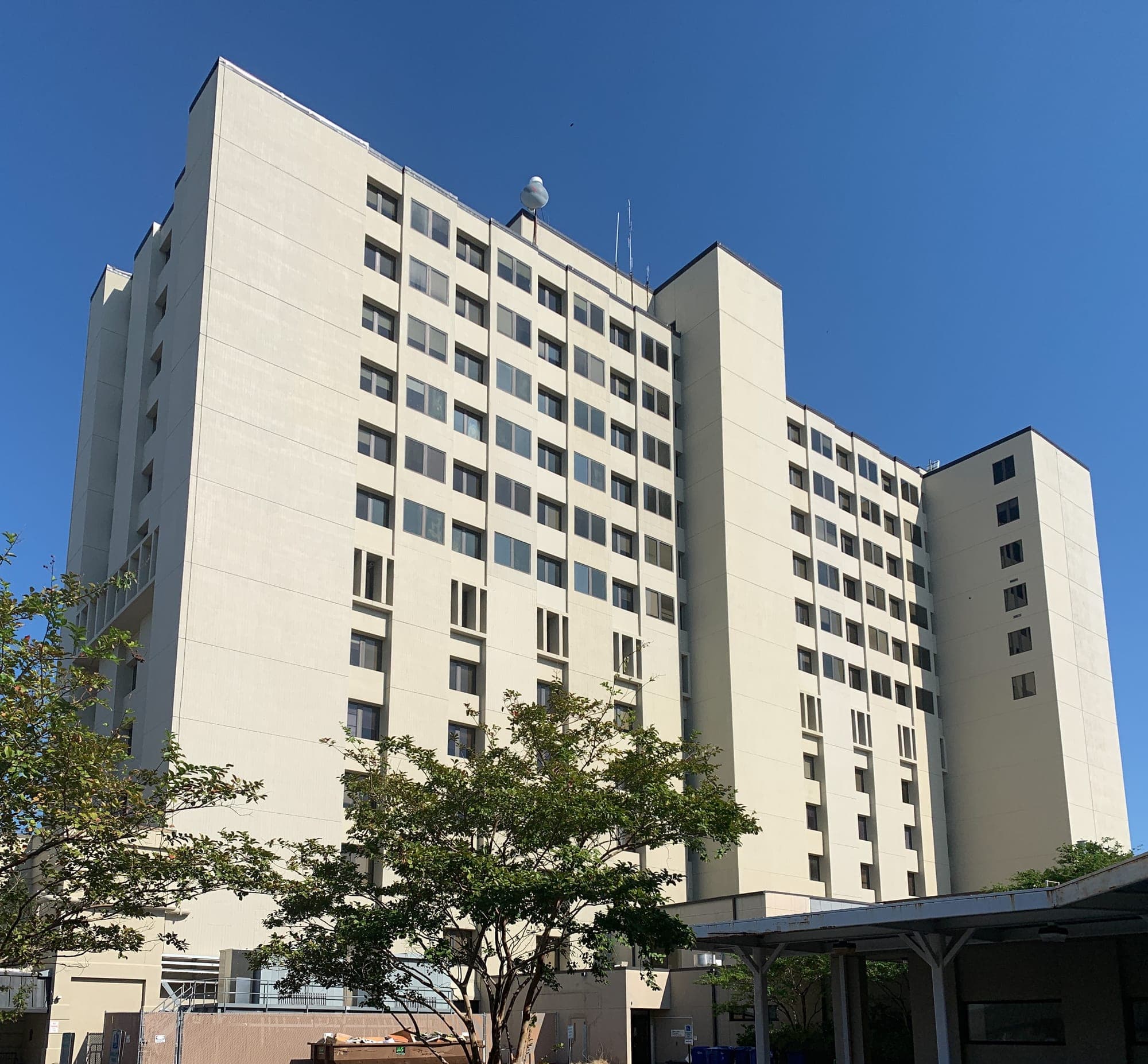
The first visible work on the Medical University of South Carolina’s new cancer hospital is subtraction. Many of the buildings that grew up around Rutledge Tower over the years, housing maintenance shops, offices and clinics, are coming down after their tenants move out, The Post and Courier reported.
“Knocked some buildings down, which always makes you feel good that you are going to do something,” Dr. Don Johnson, who chairs the cancer committee of MUSC’s board, said at an Oct. 8 trustees meeting, according to the newspaper.
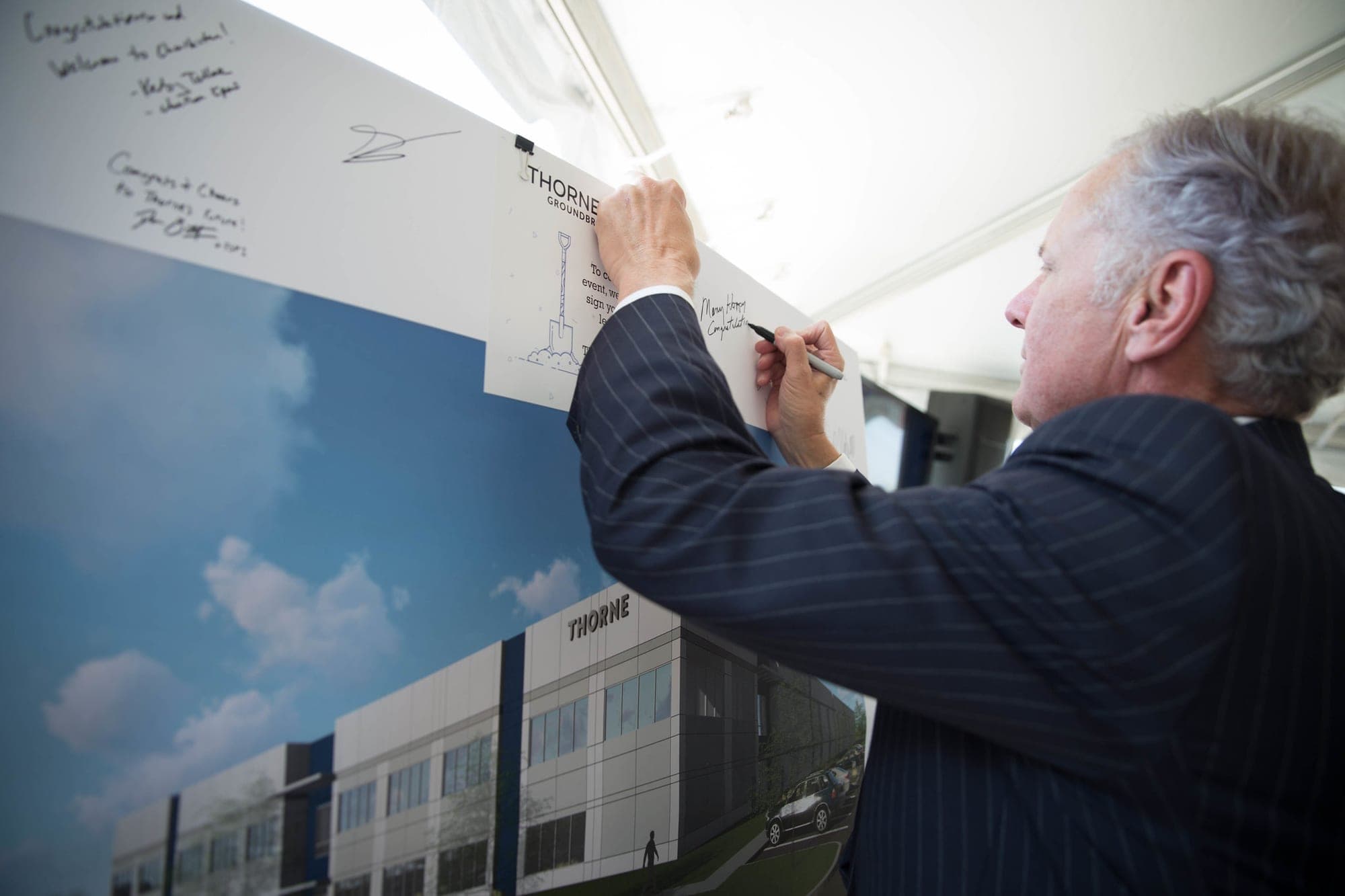
The 14-story tower will rise at Calhoun Street and Ashley Avenue. A groundbreaking ceremony is scheduled for Feb. 19, and by then crews should already be driving pilings on an active construction site, the Post and Courier reported. MUSC aims to open the hospital by April 2030.
What MUSC plans to build
At about 600,000 square feet, the hospital will be “the largest building on our campus,” Adam Bacik, CEO of the cancer hospital, said in August, according to the Post and Courier. It will stay under Charleston’s 250-foot downtown height limit.
Plans call for 100 inpatient rooms, 124 exam rooms, 14 operating rooms and 94 chemotherapy and immunotherapy infusion chairs, plus a 24-hour urgent care unit for cancer patients, WCSC Live 5 reported in September. The hospital would offer stem cell transplants, CAR T-cell therapy, radiation oncology and proton therapy. MUSC said its proton therapy center would be the only one in South Carolina.
Clinical services, radiation oncology and the pharmacy now in the Hollings Cancer Center building would shift to the new hospital, freeing that building for research labs, according to Live 5. Services in Rutledge Tower would move to a planned building at 334 Calhoun St. and to sites in West Ashley, North Charleston and the Summerville and Nexton area. Rutledge Tower is expected eventually to be redeveloped as a mixed-use building, the station reported.
Designing down to the outlets
Design development is due to wrap up in December, Bacik told trustees. He described that phase as “the minutia of every room.”
“Where do the trash cans go? Where do the computers go? Where do the chairs go? How many chairs are in the room?” he said, according to the Post and Courier.
Nurses, respiratory therapists and other staff have critiqued mock rooms, down to where plugs and data ports go. The conceptual design has been through a first review by the city’s Board of Architectural Review and returns to that board for preliminary approval in January. After talks with the board and neighborhood groups, MUSC agreed to set the building back from Calhoun Street and Ashley Avenue, leaving green space along both streets.
“We want to create a garden-like environment,” Bacik said.
Paying for it
Preliminary estimates put construction and equipment at $1.115 billion, the Post and Courier reported in August. That month, the boards of MUSC and its health system voted to proceed and authorized up to $125 million for early work: demolition, moving utilities and ordering materials with long lead times, such as structural steel, heating and air conditioning components and generators.
That spending comes ahead of approval from the U.S. Department of Housing and Urban Development, which the health system needs before it can seek financing. In a separate resolution, the board committed to repaying itself up to $995.9 million for the project, possibly through tax-exempt hospital revenue bonds. Budget documents show the health system already carries $1.3 billion in long-term debt, including $311.5 million for its Nexton Medical Center, according to the newspaper.
Public and private money will cover part of the cost. The Legislature approved $175 million in capital funding, half of a $350 million request MUSC planned to make over two fiscal years, according to the Post and Courier.
“Without the state’s support, we couldn’t build the cancer hospital,” Johnson said in August.
In April, MUSC Health launched a $250 million capital campaign for the hospital, the largest in its history. That goal would easily surpass the $68 million raised for the MUSC Shawn Jenkins Children’s Hospital, Carol Shannon, MUSC’s vice president of institutional advancement, told the Post and Courier.
Costs remain a risk. The hospital has ordered its first package of steel, and the price was high but in line with expectations, Bacik said. Whether that holds is an open question, the Post and Courier reported, and steel is already said to be hard to source in the Charleston area.
Who is running it
MUSC’s trustees named Bacik CEO of the cancer hospital on July 8 and made the project the organization’s highest strategic priority, the university said. He has held leadership jobs at MUSC Health since 2012, most recently associate chief operating officer for the health system.
The hospital is central to MUSC’s push for Comprehensive Cancer Center status from the National Cancer Institute for Hollings, which would be the state’s first. Hollings is already an NCI-designated cancer center. Dr. Raymond DuBois, its director, said MUSC hopes to win the designation by April 2029, the Post and Courier reported.
MUSC says South Carolina sees about 35,000 new cancer cases and about 11,000 cancer deaths a year, and new cases are projected to rise nearly 40% from 2023 to 2033, Live 5 reported. Next on the calendar is the architectural board in January, then the Feb. 19 groundbreaking.