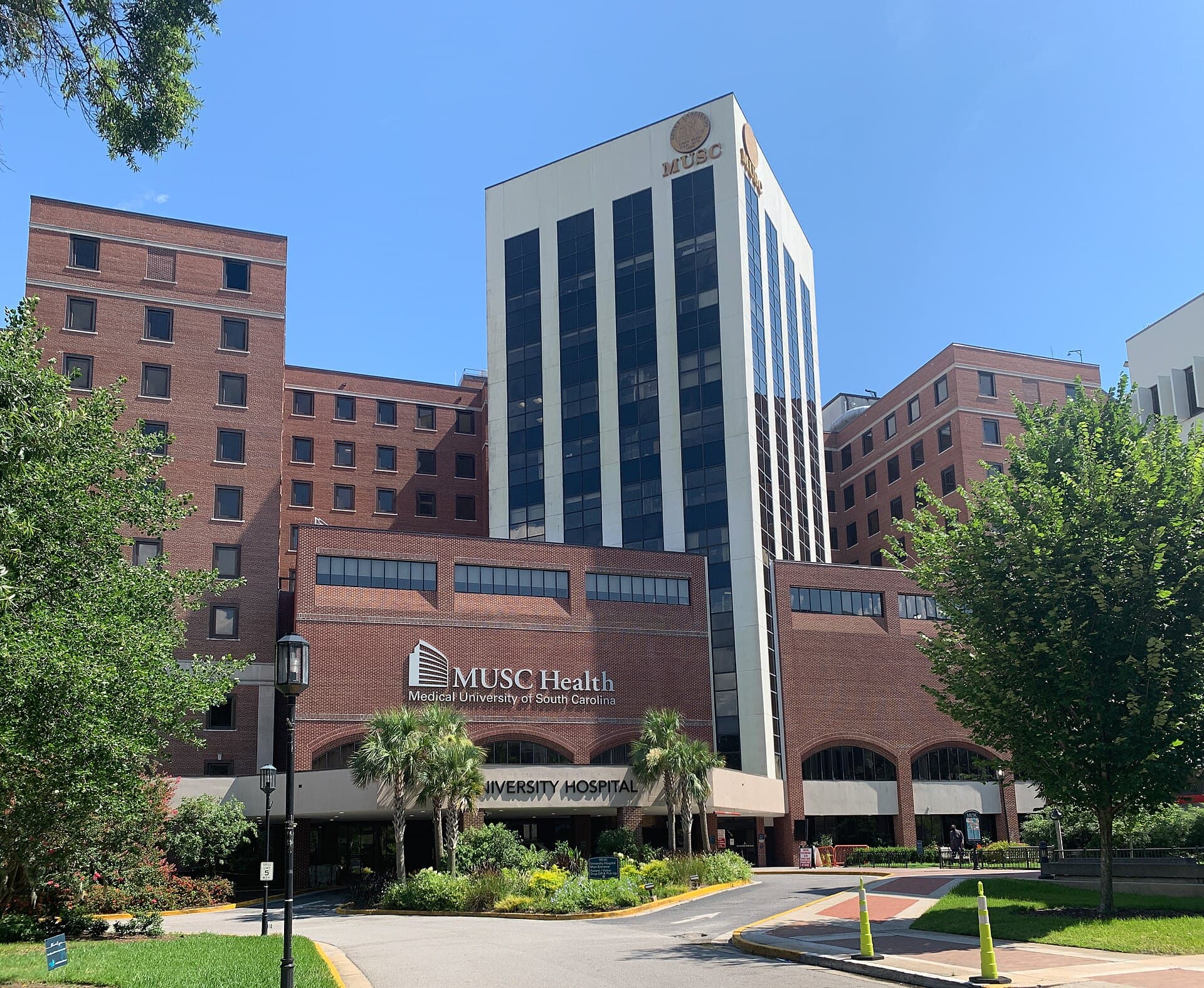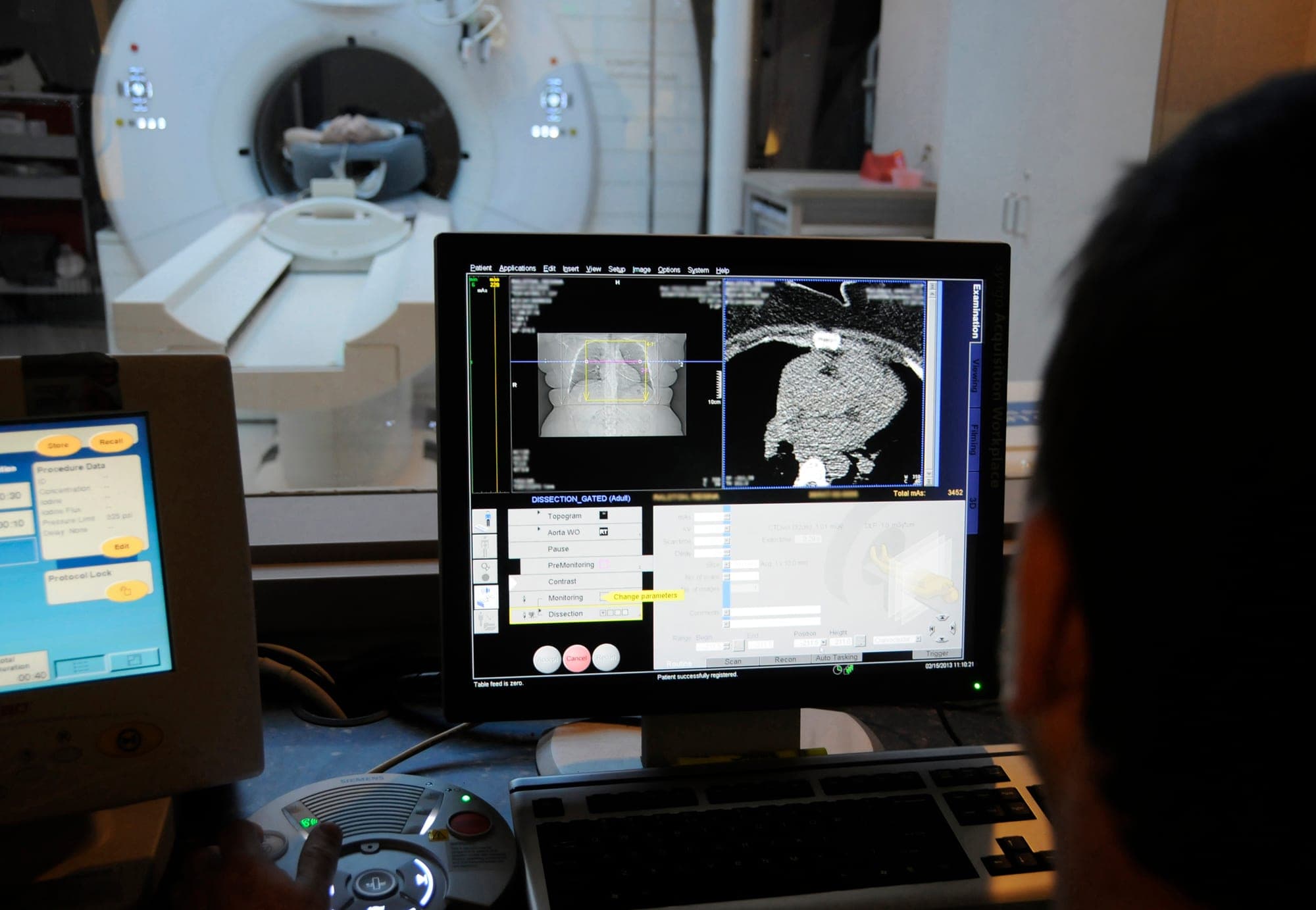
The Medical University of South Carolina and Siemens Healthineers have launched an accelerated program to train computed tomography technologists, the specialists who run CT scanners, as hospitals struggle to fill those jobs.
The first class has four students, WCSC Live 5 reported in September. All have two-year associate degrees and are already registered radiologic technologists, and the program pays them while they train, The Post and Courier reported.
The course runs 27 weeks: nine weeks in the classroom, three weeks of clinical introduction and 13 weeks of hands-on work in MUSC’s clinics, after which students can sit for the certification exam. Students practice on simulators, including Siemens’ SmartSimulator. Rebecca Seals, MUSC’s system radiology education program manager, told Live 5 that most of MUSC’s imaging equipment runs on Siemens platforms.
“It also will allow us to take a normal year training and reduce that to six months,” Seals said.
Virtual scanners let students make mistakes “without irradiating people,” said Cliff Wooten, the CT course instructor, according to the Post and Courier.
Demand for CT technologists has doubled since 2021, according to AMN Healthcare. In 2021, about a third of those jobs could be readily filled. Now it is about one in five, the Post and Courier reported. Many Siemens customer sites face workforce shortages of 15% to 20%, Praveen Nadkarni of Siemens Healthineers Education and Workforce Solutions told Live 5.
The South Carolina Technical College System has 11 associate degree programs in radiologic technology, but they are not specific to CT or are offered online without relevant clinical experience, said Kelly Howard, MUSC’s system director for quality, safety, regulatory and education for imaging services.
“They don’t have the exposure that really helps them to be ready on day one,” she told the Post and Courier.
MUSC now puts new CT technologists, even experienced ones, through at least 90 days of onboarding before they work on their own, Seals told the newspaper. Howard said the new program would help eliminate that step for its graduates.
Nadkarni said the partnership is meant to create a model that can be scaled elsewhere.