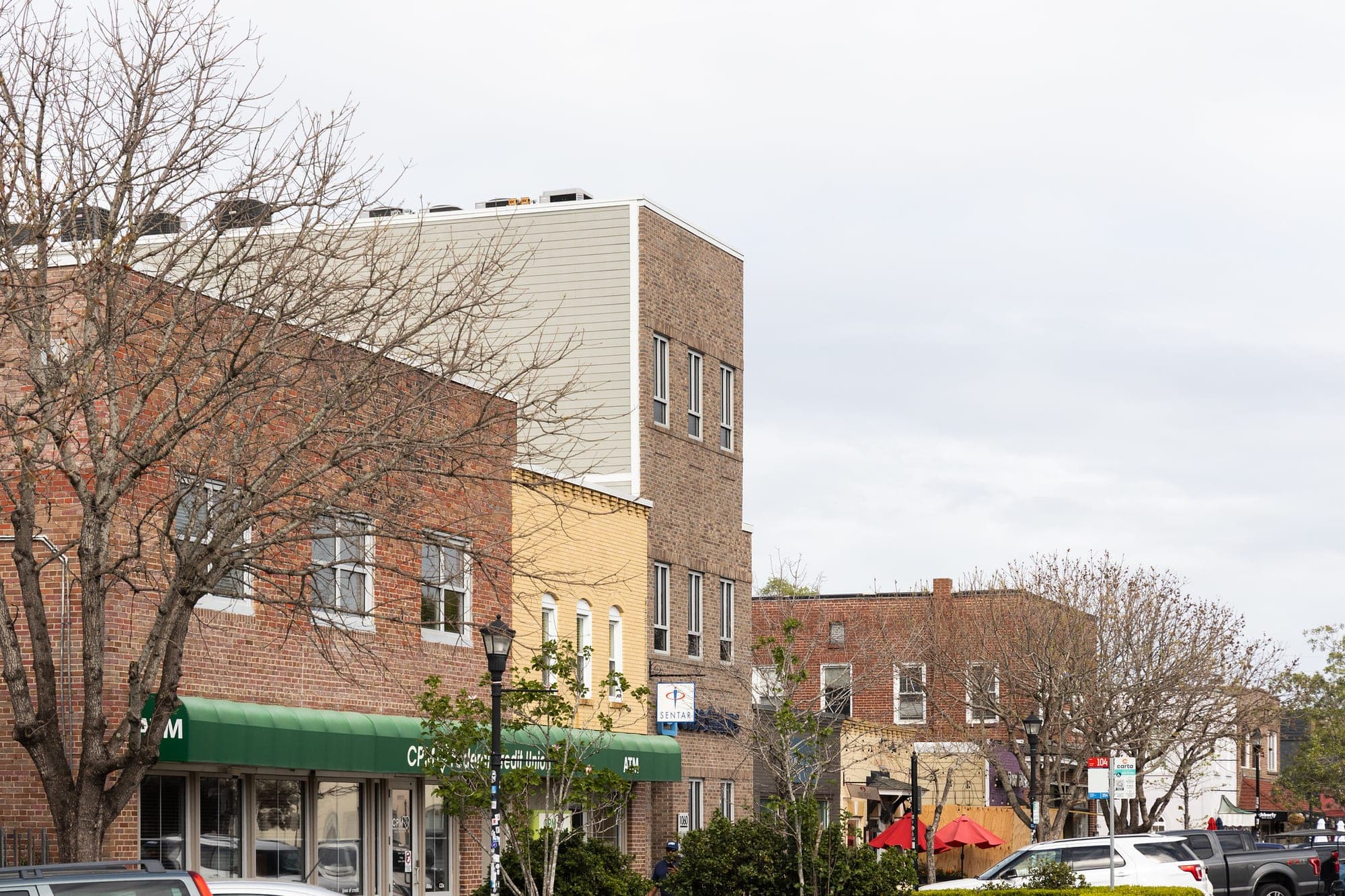
North Charleston is writing a plan that will shape where it asks for federal money to make its most dangerous roads safer.
The city is writing its first Comprehensive Safety Action Plan, paid for with a $200,000 planning and demonstration grant from the U.S. Department of Transportation’s Safe Streets and Roads for All program, WCSC Live 5 reported. The plan will analyze crash data and community input and recommend improvements such as safer crossings and traffic calming, according to the city.
Four of the five deadliest roads in Charleston County are in North Charleston, according to a November 2024 Post and Courier analysis. Live 5 has attributed the same finding to S.C. Department of Transportation data.
“A thousand people a year die in car crashes in the state of South Carolina. We average about 25 here in North Charleston,” Adam MacConnell, the city’s director of special projects, told Live 5 in April.
The corridors
City officials have focused on Ashley Phosphate Road, Rivers Avenue, Dorchester Road, Ladson Road and parts of Montague Avenue, Live 5 reported in April. The Post and Courier and Live 5 have also listed Remount Road among the deadliest.
On March 30, the plan’s steering committee toured high-crash sites including Ashley Phosphate and Dorchester roads, The Post and Courier reported. The city hired engineering consulting firm Mead & Hunt to develop the plan. The steering committee includes city and county technical staff, Charleston County School District representatives, state transportation staff and Charleston Moves, a bike and pedestrian advocacy nonprofit, according to the newspaper.
“Our goal here is to really strategically look across the city,” Meg Thompson, the city’s project planner, told The Post and Courier.
What could change
Ideas discussed so far include safer pedestrian and bike crossings, better lighting, updated signs, clearer wayfinding, better pavement markings, earlier warning signs, flashing beacons at crosswalks and intersection upgrades, according to Live 5. The Post and Courier reported the plan could also consider projects tied to the planned Lowcountry Rapid Transit bus line and the way rail crossings affect traffic.
“Those small investments can go a long way to preventing serious and fatal injuries,” MacConnell told Live 5 in August.
He also pointed to the timing of crashes. “We know we have pulses of time when we have lots of congestion, lots of accidents,” he said.
The city will not be able to make many of those changes on its own. MacConnell told Live 5 in 2024 that most roads in North Charleston are owned by the state or the county, which manage them.
Mayor Reggie Burgess has framed the plan around everyone who uses those roads.
“We have to create an infrastructure that’s best suited for people who are walkers, people who are bicyclists and drivers,” Burgess told Live 5 in April.
Where the plan stands
Residents could weigh in from April through July 31 through an online survey and interactive map and at pop-up events, including the Park Circle farmers market and the city’s July 4 festival, according to the city and local news reports. The survey drew more than 700 responses, Live 5 reported in August.
The city then began taking applications for a resident focus group of about 10 to 12 people, aiming for a mix of ages, abilities and neighborhoods, including people who walk, bike, ride transit, drive or use mobility devices, the station reported.
“It’s important to hear from the community because they see it in their backyard,” MacConnell said.
The city has not published a completion date for the plan.
The federal money question
Finishing the plan matters because the program’s implementation grants pay for construction projects outlined in safety action plans, according to the National Association of Counties. City leaders hope the plan will put North Charleston in a stronger position for future federal grants to pay for the recommended improvements, Live 5 reported.
The program’s future is uncertain. Safe Streets and Roads for All was created by the 2021 Infrastructure Investment and Jobs Act, which was set to expire Sept. 30. In April, the counties association said this year’s round, with applications due May 26, “could be the last under the program” if Congress does not continue it in the next surface transportation bill.
On Sept. 2, the president signed a stopgap spending law that extends surface transportation programs through Dec. 11, according to the White House. But the law did not carry forward the advance appropriations in the 2021 infrastructure act, transit industry groups said. The counties association has said that money pays for Safe Streets and Roads for All and warned that leaving it out of a stopgap would almost entirely cut the program. That leaves Congress until Dec. 11 to pass a longer-term transportation bill or extend the programs again.
City Councilmember Stephanie Ganaway-Pasley urged residents to weigh in as the survey closed.
“As the city grows, infrastructure has to keep pace,” she told Live 5 in July.