The federal government has formally started the process that could lead to wind turbines in the ocean off the Charleston coast.
The Bureau of Ocean Energy Management published a call for information and nominations in Wednesday’s Federal Register. It asks wind companies to say whether they want commercial leases in four areas of federal waters off South Carolina, named Grand Strand, Winyah, Cape Romain and Charleston.
The call is not itself a leasing announcement, the bureau said, but the areas, or parts of them, could be offered later. Together they cover about 1,008 square nautical miles, according to the notice.
The Charleston area begins about 23 nautical miles from shore and covers about 42 square nautical miles. The Cape Romain area, off the national wildlife refuge in northern Charleston County, begins 6 nautical miles out and covers about 183 square nautical miles. The largest, Grand Strand, covers about 741 square nautical miles off the northern coast.
The bureau drew the areas with a task force of federal, state, local and tribal officials that it formed in March 2012. It left out artificial reefs, waters with moderate or greater concentrations of near-shore birds, and blocks that the military or the Coast Guard flagged as conflicts.
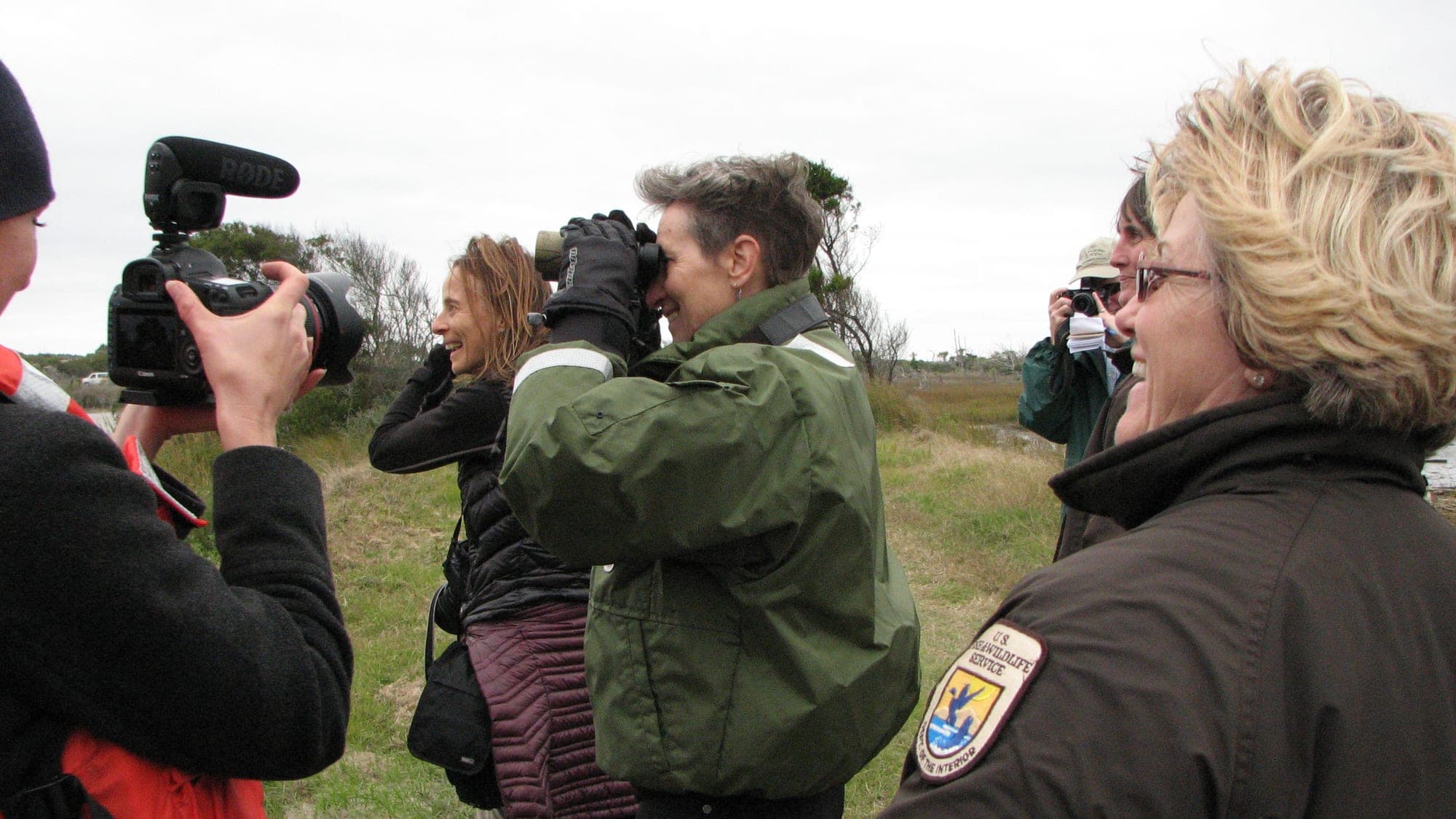
Interior Secretary Sally Jewell and bureau Director Abigail Ross Hopper announced the call Monday.
“We know South Carolina has important wind energy potential, and we will work with stakeholders through a collaborative effort to identify high potential/low conflict areas for development, supporting investment and jobs in South Carolina,” Jewell said in the department’s announcement.
Hopper said the bureau is working with the state, industry and other groups “to ensure that commercial wind leasing is done smartly.”
Nominations and public comments must be postmarked by Jan. 25, 2016. The bureau is also asking what an environmental assessment of leasing and site studies in the areas should cover, and it plans public information meetings.
A lease would not let a company build. It would give the holder the exclusive right to seek federal approval of a project, which would require more environmental review, the notice said.