A Mount Pleasant lawyer helped negotiate the $26 billion opioid settlement announced Wednesday.
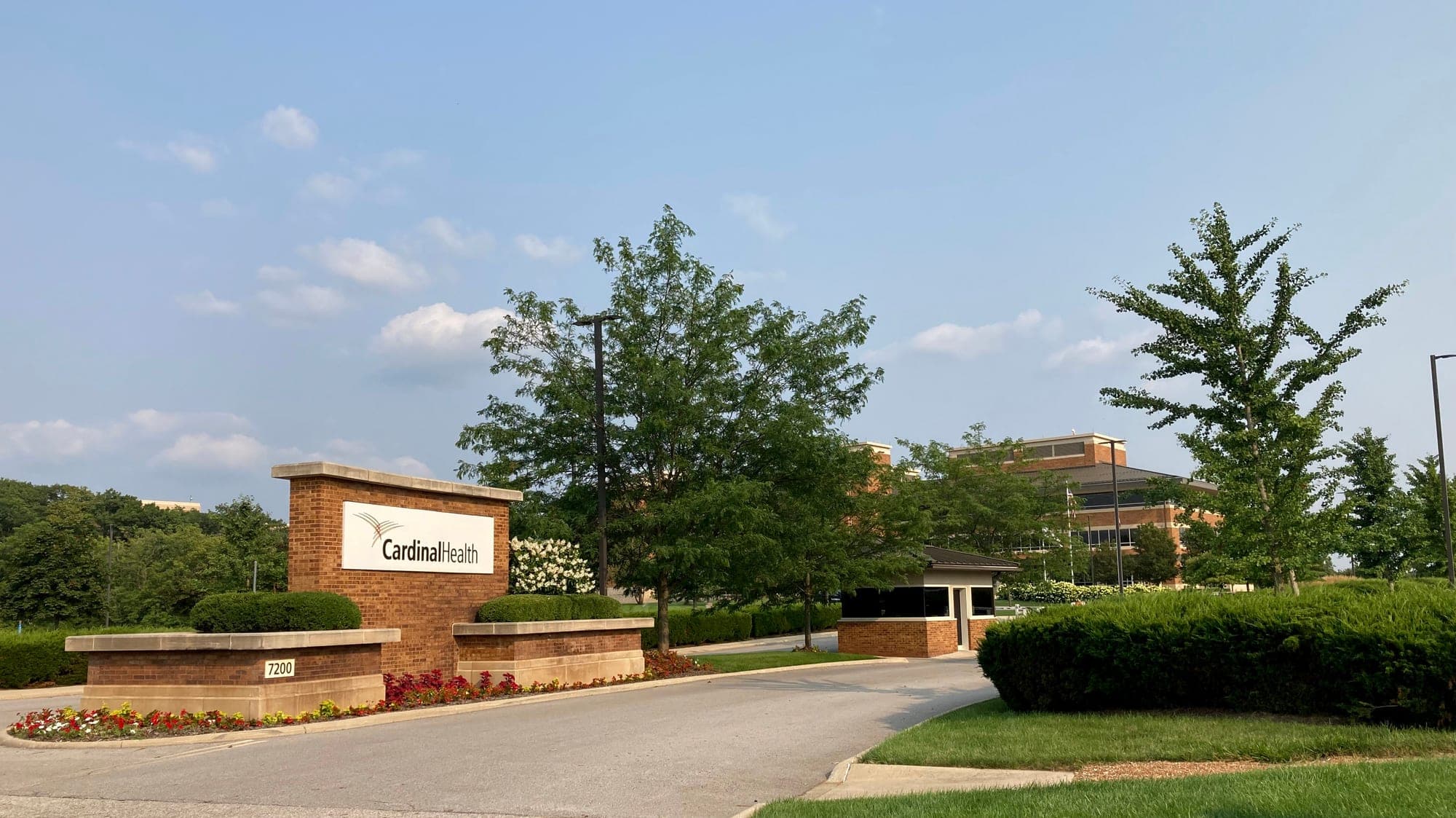
Drug distributors McKesson, Cardinal Health and AmerisourceBergen, which Motley Rice calls the nation’s “Big Three” opioid distributors, and drugmaker Johnson & Johnson have agreed to a proposed settlement of opioid lawsuits brought by state and local governments, the distributors and Motley Rice announced.
Joe Rice, a co-founder of Motley Rice, led negotiations for the cities, counties and other local governments as co-lead counsel and a member of the plaintiffs’ executive committee in the federal opioid litigation, the firm said. That case, consolidated in federal court in Ohio, includes more than 3,000 local governments that have sued.
“It’s always been our belief that any solution to a crisis of this magnitude would require the communities, states and opioid companies alike to come together,” Rice said in the firm’s announcement.
Who pays what
The three distributors would pay up to about $21 billion over 18 years, they said in a joint announcement. McKesson’s share is up to $7.9 billion. AmerisourceBergen and Cardinal Health would each pay up to $6.4 billion.
Johnson & Johnson has said it would contribute up to $5 billion toward an all-in settlement of opioid claims by states, cities, counties and tribal governments, according to its securities filings. The company has said in those filings that the agreement in principle is not an admission of liability or wrongdoing.
The distributors said they “strongly dispute the allegations made in these lawsuits” but see the agreement as an important step toward resolving government opioid claims.
Most of the money is earmarked to address the effects of the opioid crisis, according to Motley Rice. The distributors also would set up a clearinghouse that pools data from all three companies, which participating states could use to fight diversion of the drugs.
“The injunctive relief terms are significant in preventing a future similar crisis,” Rice said.
A long road to final
The deal is not final. States have 30 days to decide whether to join, the distributors said. Each company then decides on its own whether enough states have signed on to keep going.
If they have, local governments in the participating states, including those that never sued, get 120 days to join. The companies then decide again whether participation is high enough. If it is, the settlement takes effect 60 days later, while states seek court approval through consent judgments.
The distributors said they will put their first annual payment into escrow by Sept. 30. If the settlement collapses, the money goes back to the companies.
Some communities could see payments as soon as the first quarter of 2022, according to Motley Rice.
“It is initially up to the states if they will accept this agreement and the defendants if they reach their goal of state acceptance,” Rice said. “Then if the settlement is poised to move forward, it will be up to the subdivisions to determine if it is acceptable.”
What it leaves out
The settlement does not end the litigation. Claims against other defendants, including pharmacies, continue, and the deal does not resolve suits by West Virginia local governments against the three distributors, Motley Rice said. Native American tribes are not part of this settlement process, the distributors said.
Motley Rice lawyers are on the trial team for the city of Huntington, West Virginia, which is in the middle of a federal bench trial against the three distributors, along with Cabell County. The firm also represents four California local governments in a state court trial against opioid manufacturers.
A familiar role for Rice
Rice and the late Ron Motley began working together in the 1970s, and the firm they built is based in Mount Pleasant, according to Motley Rice. The firm’s lawyers negotiated the 1998 tobacco Master Settlement Agreement with dozens of state attorneys general, it says.
In the opioid litigation, Motley Rice lawyers also led negotiations for a $260 million settlement reached on the eve of trial in 2019, which resolved claims by two Ohio counties, Summit and Cuyahoga, the firm said.
Rice shares the negotiating committee with Paul Geller of Robbins Geller, Peter Mougey of Levin Papantonio, Elizabeth Cabraser of Lieff Cabraser, and Chris Seeger and Jennifer Scullion of Seeger Weiss, according to the firm. Jayne Conroy of Simmons Hanly Conroy and Paul T. Farrell Jr. of Farrell & Fuller Law are co-lead counsel with Rice.
“These opioid companies are willing to come together to be part of the solution and provide necessary recourse on a national scale so that communities across the country can receive the resources they desperately need,” Rice said.