Gov. Henry McMaster has nominated 11 census tracts in Berkeley, Charleston and Dorchester counties for the next round of federal Opportunity Zones, which give investors tax breaks for putting capital gains into low-income areas.
The tri-county tracts are among 112 on the nomination list S.C. Commerce published, according to a CHS Business Report count of the list. McMaster submitted the nominations to the U.S. Treasury on Sept. 23, according to S.C. Commerce.
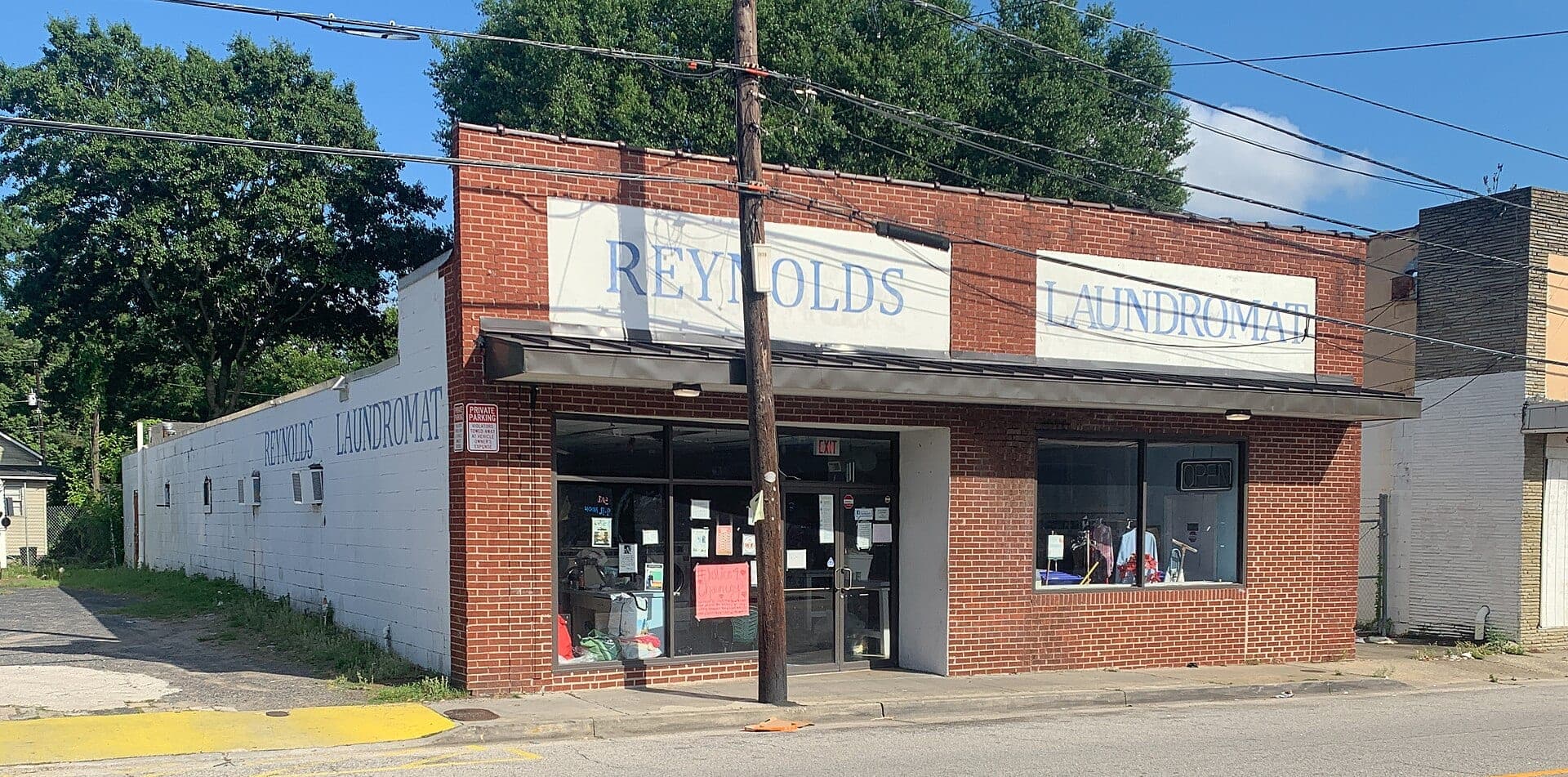
Charleston County has six tracts, all classified as non-rural. Four are centered in the city of Charleston and two in North Charleston, according to Census Bureau maps. One of the North Charleston tracts takes in part of the Reynolds Avenue business corridor. Only Richland County, with nine, has more tracts on the list. Greenville and Spartanburg counties also have six each.
Berkeley County’s three tracts, including one centered in Moncks Corner, are all classified as rural. Dorchester County has two: a rural tract that takes in part of St. George and a non-rural tract centered in Summerville.
The new round follows the One Big Beautiful Bill Act, signed July 4, 2025, which made the program permanent and requires zones to be redesignated every 10 years, according to the governor’s office. Governors may nominate up to 25% of a state’s eligible tracts.
Under the new rules, a tract qualifies if its median family income is below 70% of the state or metro median, or if its poverty rate is at least 20% and its median family income is below 125% of the median, according to S.C. Commerce. Investors can defer capital gains for five years on a rolling basis and get a 10% step-up in basis on investments held five years. In rural zones, the step-up is 30%, and the bar for substantially improving a property is lower.
“With the program now permanent, we can build on what has worked, focus on the communities with the greatest opportunities for investment, and continue strengthening South Carolina’s position for future economic development,” McMaster said in a Sept. 24 announcement.
The Treasury will review the nominations before the new zones take effect Jan. 1, 2027. McMaster also asked the General Assembly to bring South Carolina’s tax code in line with the federal changes.