The Arthur Ravenel Jr. Bridge opened Saturday, more than 75 years after the first Cooper River bridge linked Charleston and Mount Pleasant.
Ravenel, for whom the bridge is named, addressed a crowd of 2,400 at the dedication ceremony on the bridge, according to the South Carolina Department of Transportation. After the speeches, officials cut the ribbon to officially open the eight-lane span to cars, pedestrians and cyclists.
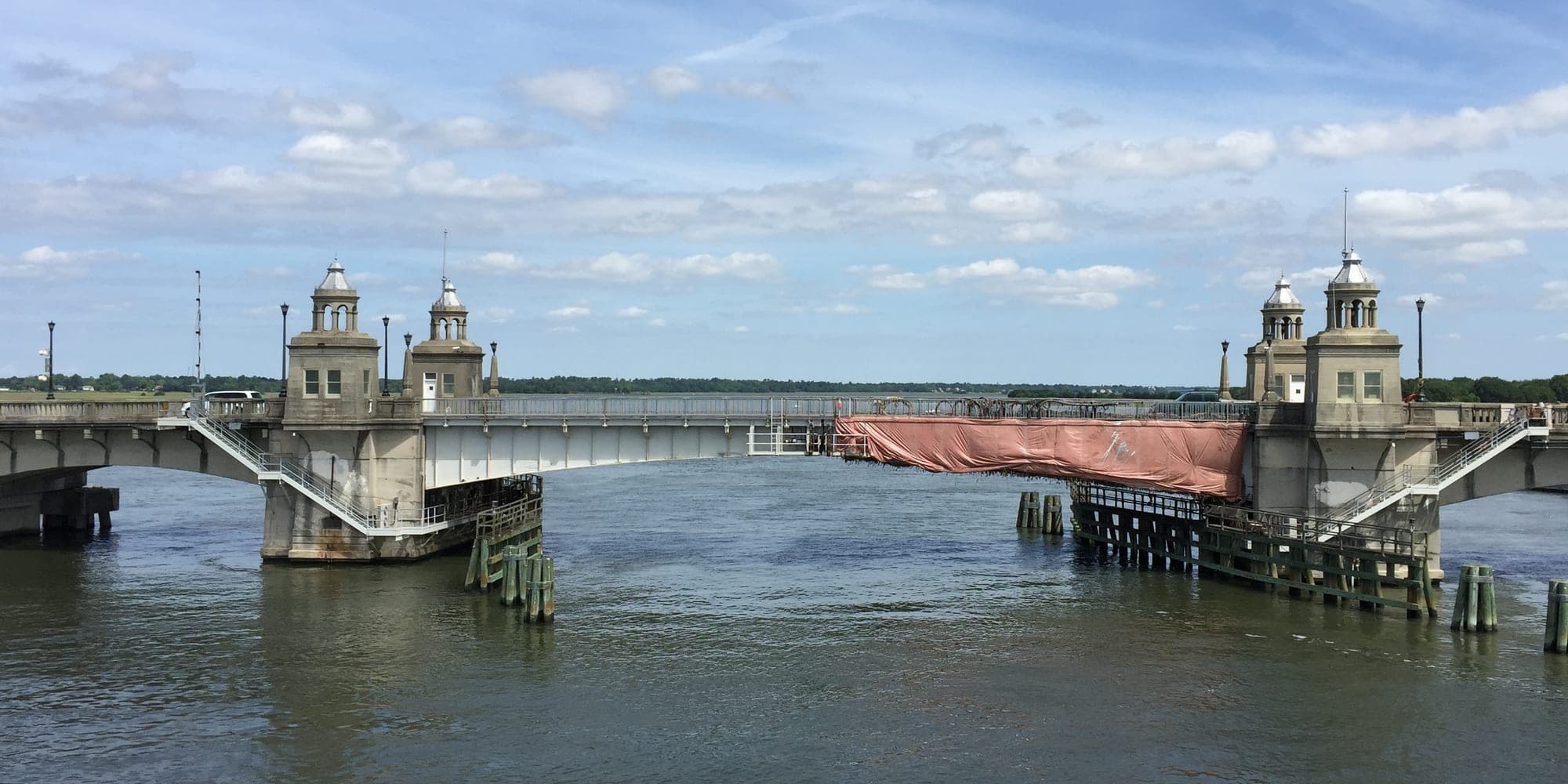
The department scheduled the old John P. Grace Memorial and Silas N. Pearman bridges to close permanently at 8:30 a.m., before the 9 a.m. ceremony.
A year early
The $531 million design-build contract for the bridge is the largest single transportation infrastructure project completed by the department, according to SCDOT. The design-builder, Palmetto Bridge Constructors, is a joint venture of Tidewater Skanska and HBG Flatiron. It broke ground in July 2001 and hired Parsons Brinckerhoff to complete the final design.
The contract’s completion date was July 2006. In March, when crews set the last piece of the bridge deck in place, the department said traffic would be on the bridge “a year ahead of the projected schedule.”
At peak employment, the contractor had more than 600 field workers on the job, plus subcontractors, and 90% of project workers were local hires, SCDOT said.
The Post and Courier has put the bridge’s cost at nearly $600 million.
By the numbers
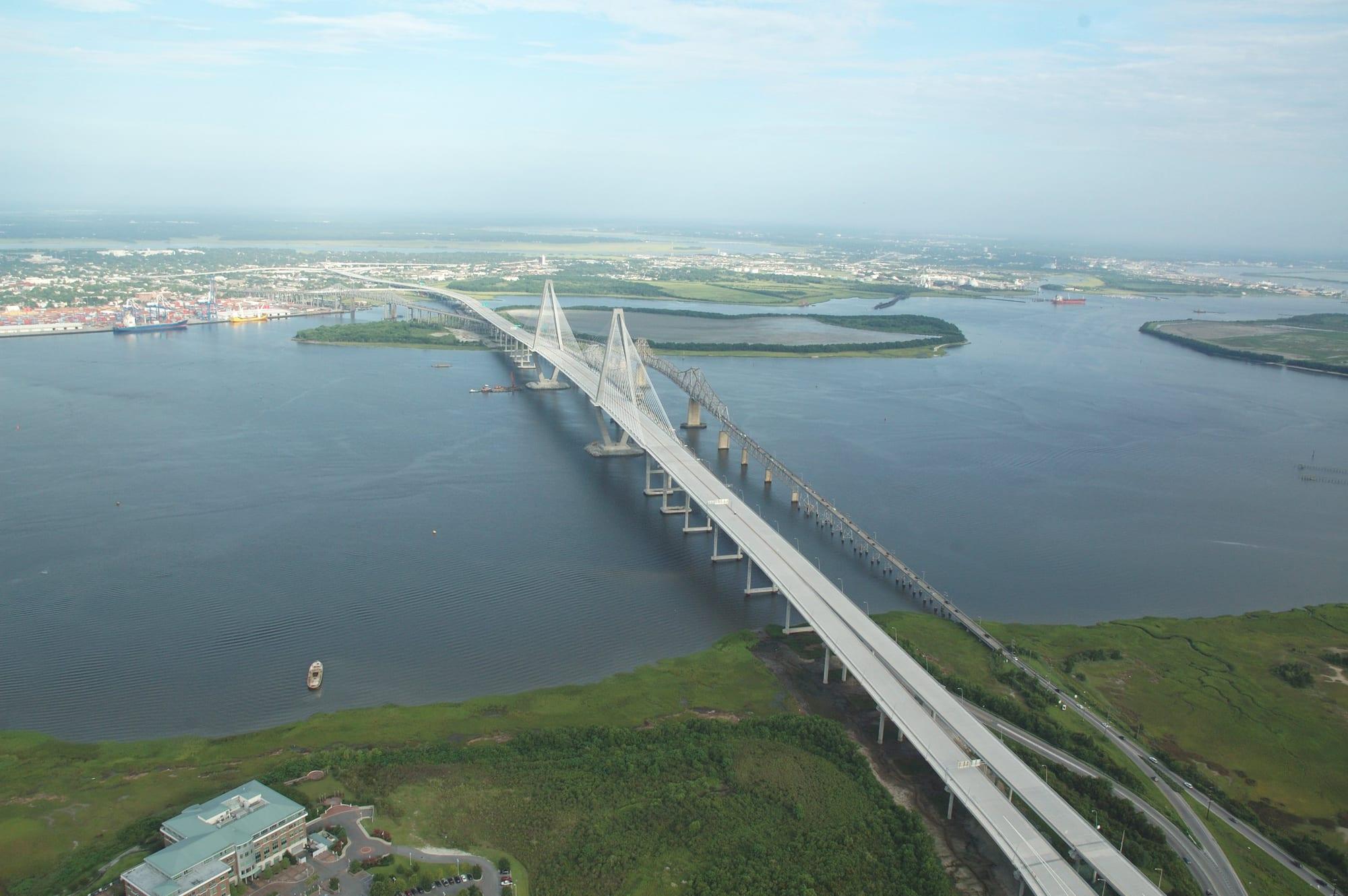
The main span is 1,546 feet long, which SCDOT says makes it the longest cable-stayed span in North America, 20 feet longer than the Alex Fraser Bridge in Vancouver, British Columbia. Its 128 cables hang from two diamond-shaped towers.
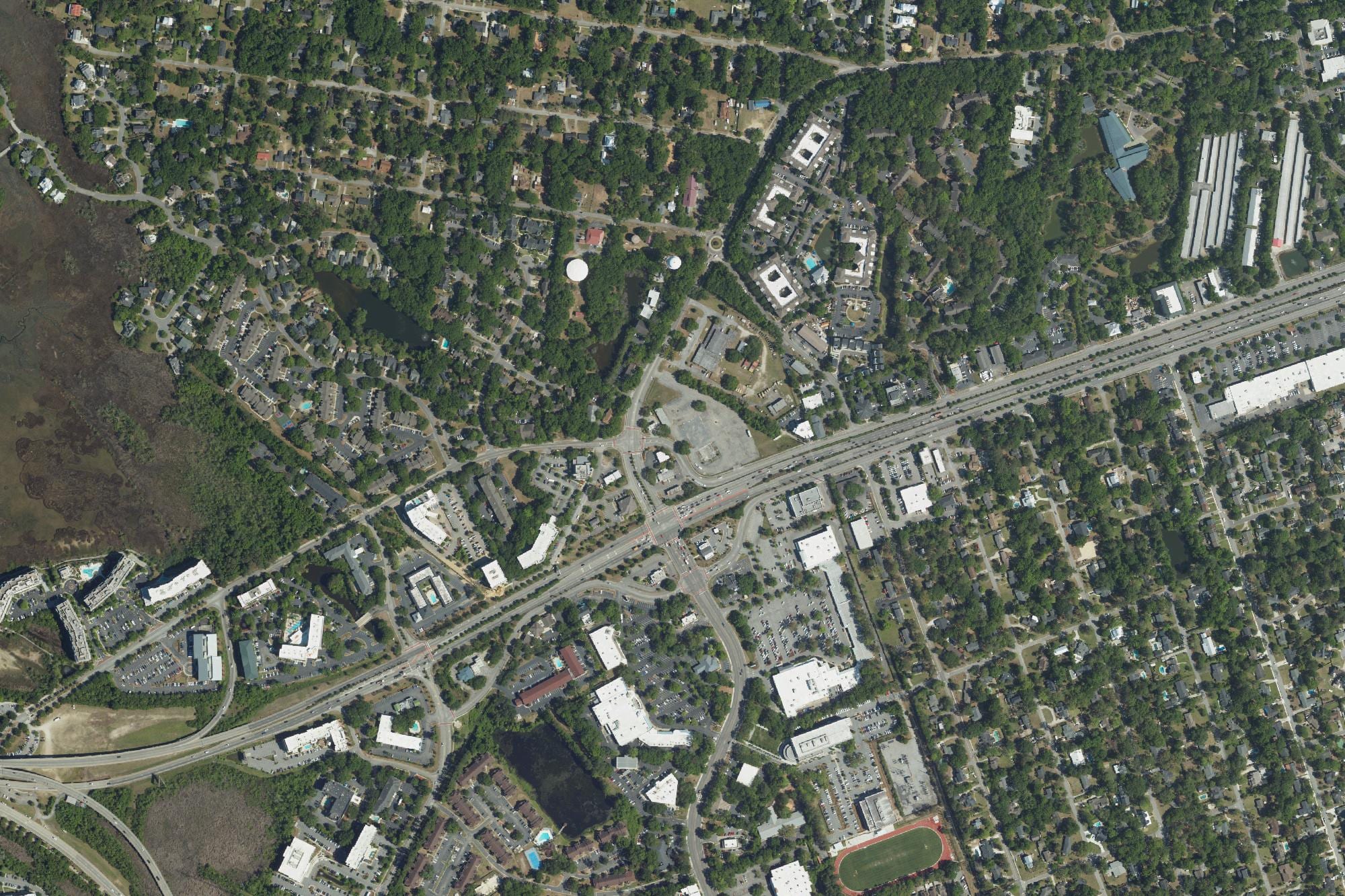
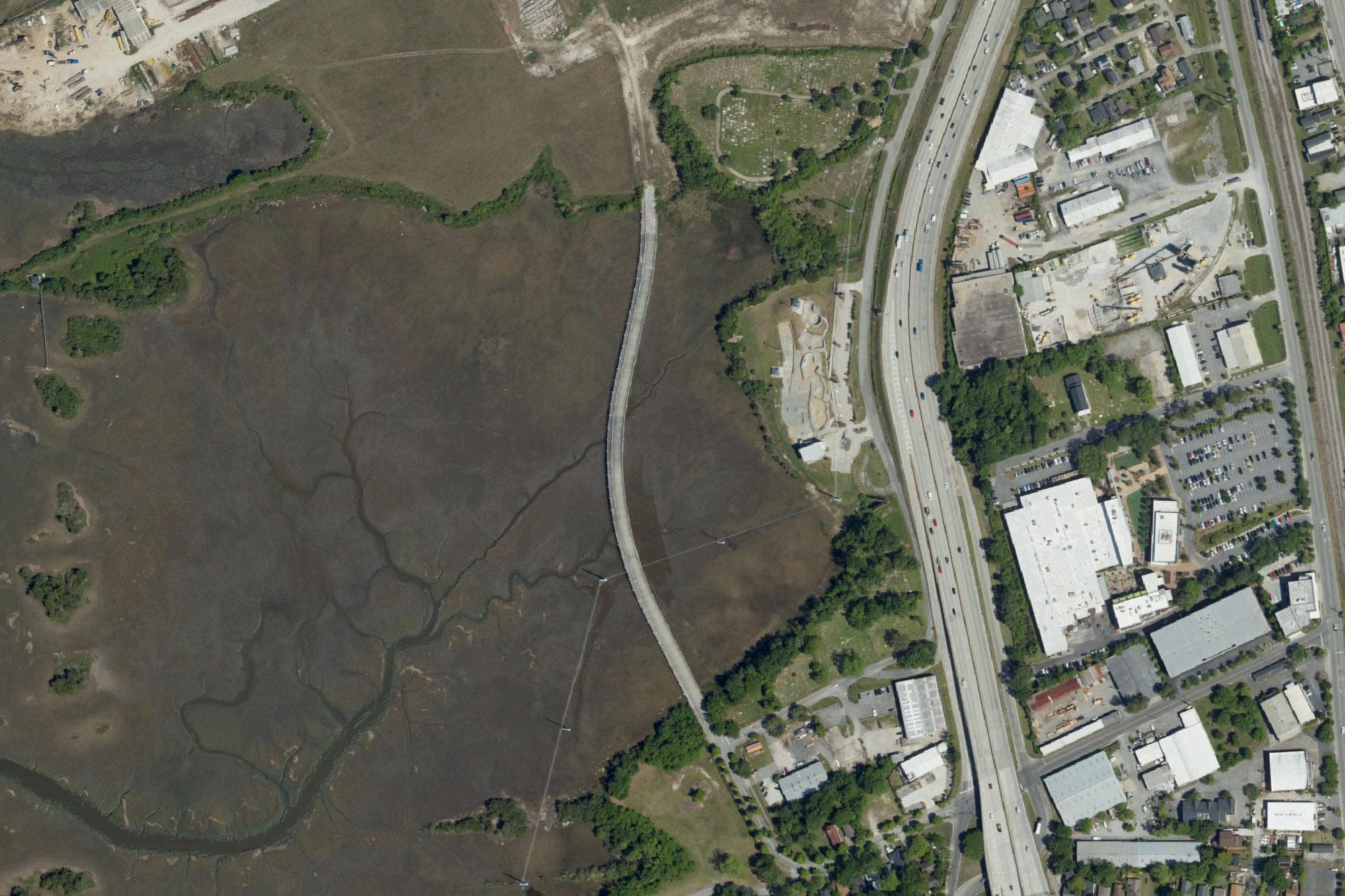
The bridge runs 3.5 miles from the end of the Johnnie Dodds Boulevard ramp in Mount Pleasant to the Crosstown connector in Charleston and has 15 access ramps, according to the department. Its eight 12-foot lanes are joined by a bike and pedestrian lane, The Post and Courier reported.
For shipping, the bridge leaves a 1,000-foot-wide channel and 186 feet of vertical clearance, 400 feet wider and 36 feet taller than the old channel, SCDOT said. The bridge was designed to withstand an earthquake like the Charleston quake of 1886, estimated at magnitude 7.3, and winds of up to 190 mph.
What it means for business
Experts expect the new crossing to open opportunities for development, tourism and the port, The Post and Courier reported in a special section published ahead of the opening.
“It starts to shift everything,” Terry Shook, co-founder of Shook Kelley Inc., told the newspaper. His firm is working on the master plan for the proposed Magnolia redevelopment in the Charleston Neck area.
On the peninsula, the new bridge touches down about a half-mile north of the old bridges, which will be dismantled, the newspaper reported. City planners have singled out sites near the new access points along Morrison Drive and upper Meeting Street as best suited for commercial development. In April, Chicago-based Jupiter Realty Corp. paid $14.7 million for the Cigar Factory, the landmark office building at East Bay and Columbus streets.
“Clearly, we know the location is an A-plus,” J. Luzuriaga, Jupiter’s executive vice president, told the newspaper. “And it’s only going to get better with the new bridge.”
The higher clearance will let the State Ports Authority more easily handle the newest super-sized container ships, the newspaper reported. The new bridge’s supports also give the authority the option of widening the harbor channel someday to allow two-way ship traffic.
“It’s something our customers have said they are very much interested in,” said authority spokesman Byron Miller.
Planners sized the bridge for growth. A Berkeley Charleston Dorchester Council of Governments study projected about 100,000 vehicle trips a day across the new bridge by 2030, compared with about 63,000 a day now on the five lanes of the Grace and Pearman bridges, The Post and Courier reported.
A week of celebration
The opening capped a week of events. More than 150,000 people walked the bridge during public days on July 9 and 10, according to SCDOT, and more than 400 security personnel were on hand.
On Thursday night, a fireworks show of more than 60,000 shots, paid for with private money raised by the Cooper River Bridge Opening Committee, preceded the first lighting of the bridge, the department said.