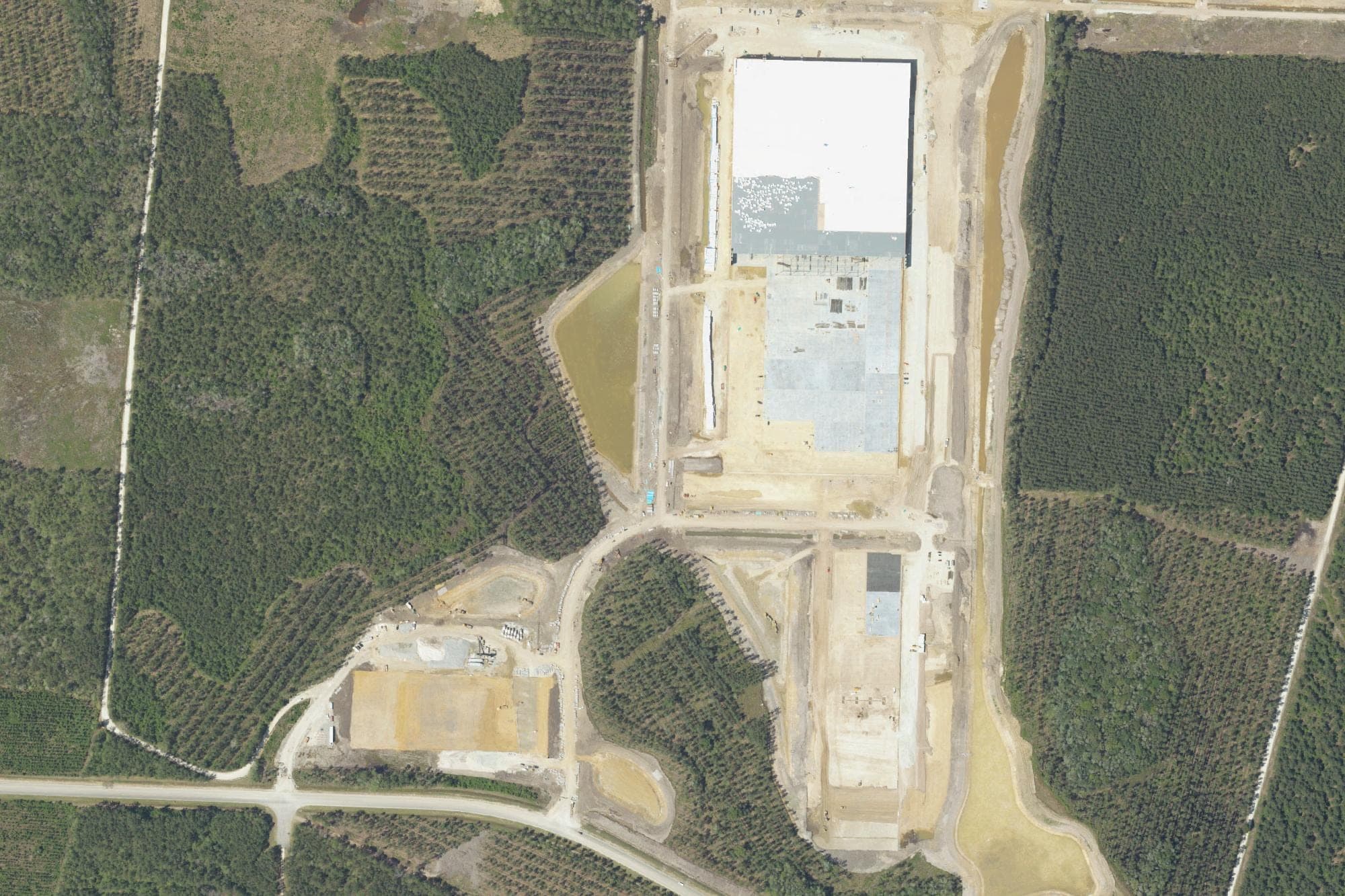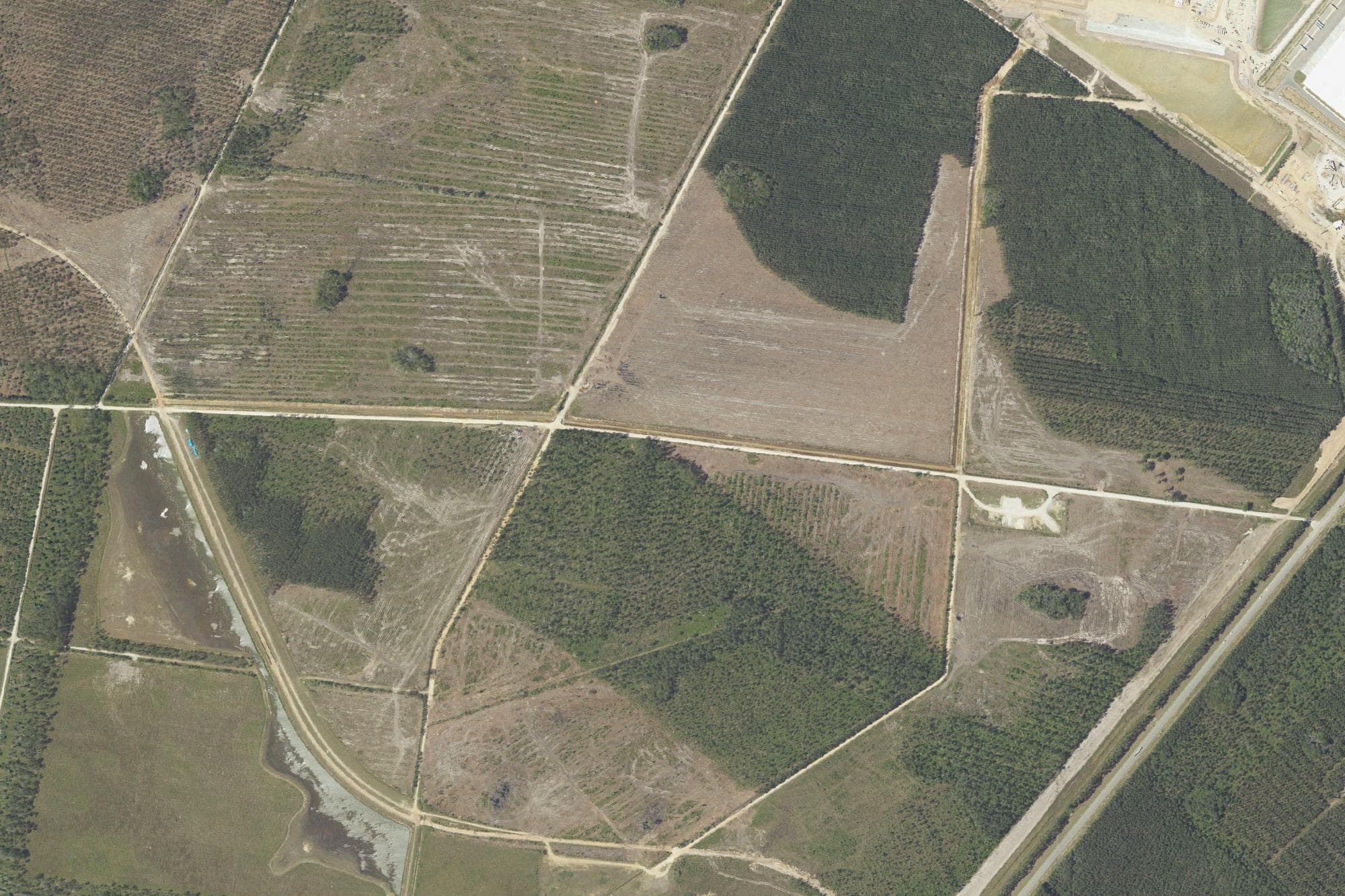
When Redwood Materials picked Berkeley County in December 2022, it promised a $3.5 billion campus that would turn old batteries into new cathode and anode materials, eventually enough for more than a million electric vehicles a year.
Nearly four years later, the Camp Hall Commerce Park campus in Ridgeville is doing a narrower job. It recovers critical minerals from used batteries. And the Nevada-based company’s growth plans have moved toward energy storage.
What is running
Redwood said Nov. 6, 2025, that the first facility on its 600-acre campus had begun recovering critical minerals, adding an initial 20,000 metric tons of annual materials production. In Nevada, the company said, its campus produced more than 60,000 metric tons of materials the year before.
“This is a small but significant start toward what will become one of the world’s largest recovery, refining, and manufacturing campuses,” Redwood said. The company said it would keep growing in South Carolina over the next decade, “creating more than 1,500 good-paying jobs.”
Redwood did not answer the SC Daily Gazette’s questions about how many people work at the plant. The Gazette reported that the company planned jobs paying $27 to $75 an hour.
The start came later than first planned. In its 2022 announcement, Redwood said it expected to break ground in the first quarter of 2023 and have its first recycling process running by the end of that year.
A narrower plan
The original pitch was a full battery materials campus. Redwood said in 2022 that it would recycle, refine and manufacture anode and cathode components on the site, eventually producing 100 gigawatt-hours of them a year.
That has changed. The Post and Courier, citing a Nov. 6 Bloomberg News report, wrote in November 2025 that Redwood had dropped plans to make anode copper foil at the plant. The newspaper reported that Redwood was seeking customers beyond the EV industry for its recovered minerals, with defense manufacturers, data center builders and electric utilities among the likely buyers.
Later that month, Bloomberg News reported that Redwood had cut 5% to 6% of its workforce, with the cuts spread across the company and including employees in cathode material engineering, as it shifted resources to critical minerals and energy storage. Bloomberg also reported that Redwood’s commercial cathode plant in Nevada, first meant to open in 2024, stood incomplete with no announced opening date.
In April, Redwood laid off about 135 more people, roughly 10% of its companywide workforce, TechCrunch reported. The cuts hit multiple divisions, including engineering and operations, according to an employee who spoke to the publication. Founder and CEO JB Straubel wrote to employees that “parts of the company have expanded faster than needed to support the direction” of the company, according to TechCrunch.
“We are confident that we can deliver on our critical projects with a smaller team that is more focused,” Straubel wrote.
Both rounds were companywide. Neither report said whether South Carolina employees were affected. The company declined to comment to TechCrunch beyond Straubel’s email.
The storage turn
Redwood’s newer business, Redwood Energy, puts used EV battery packs into storage systems for data centers and factories. The company says it built a 12-megawatt, 63-megawatt-hour microgrid on its Nevada campus in four months.
Investors have backed the shift. Redwood closed a $425 million funding round in January that included Google, saying the money would speed its energy storage platform. This year it announced storage deals with Rivian, for the automaker’s manufacturing plants, and with General Motors, for a GM plant in Michigan.
On Sept. 21, Redwood named Cal Lankton chief operating officer. The company said he would drive the build-out of its energy business “at the aggressive pace our customers need,” along with operations across recycling and refining. Redwood’s storage announcements this year have described projects in Nevada and at customer sites in other states, not in South Carolina.
What it means at Camp Hall
South Carolina has a lot riding on the site. State legislators approved a $226 million incentive package in December 2022, the SC Daily Gazette reported. The proposal, paid for with state-issued bonds, included $133.3 million for grading and site work and $40 million to buy the land from Santee Cooper, The Post and Courier reported. Palmetto Railways, a division of the state Commerce Department, was to buy the 607-acre tract and lease it to Redwood for up to 50 years with an option to purchase, the newspaper reported. Berkeley County property records list the South Carolina Department of Commerce as owner of about 608 acres there, bought Dec. 12, 2022.
The campus is still hiring. On Oct. 18, Redwood’s job board listed eight openings tied to Ridgeville, including production associates, a production supervisor, a spares technician and a truck driver. Two of the three production associate postings describe 12-hour night shifts running shredding, milling and screening equipment.
Camp Hall’s developer, Santee Cooper, still lists Redwood among the park’s major tenants. Straubel’s reach in the region extends beyond Ridgeville. He took part in the seed round of Red Metals, a startup planning a $70 million copper rod plant in North Charleston, that company said in June.
Redwood has not said when the campus will add its next phase or how many people it employs today.