Salus Scientific, a Charleston company that makes radiation protection gear for heart catheterization labs, has closed a $10.1 million Series A funding round.
The company went into the round aiming for $8 million and closed above that target and ahead of schedule, it said in an Aug. 5 announcement. It did not name its investors.
A Securities and Exchange Commission filing dated the same day puts the amount sold at $10.12 million and lists the first sale as Jan. 22. An earlier version of the filing, from February, described an offering of about $8 million.
“We are pleased to have closed our Series A above target and ahead of schedule,” Chairman and CEO Todd Flohr said in the announcement. “That the round closed oversubscribed is, in our view, a direct endorsement of both our commercial thesis and our execution discipline.”
The company said the money will pay for commercial scale-up, expand its production and clinical infrastructure and carry it through its revenue ramp.
The problem it is selling against
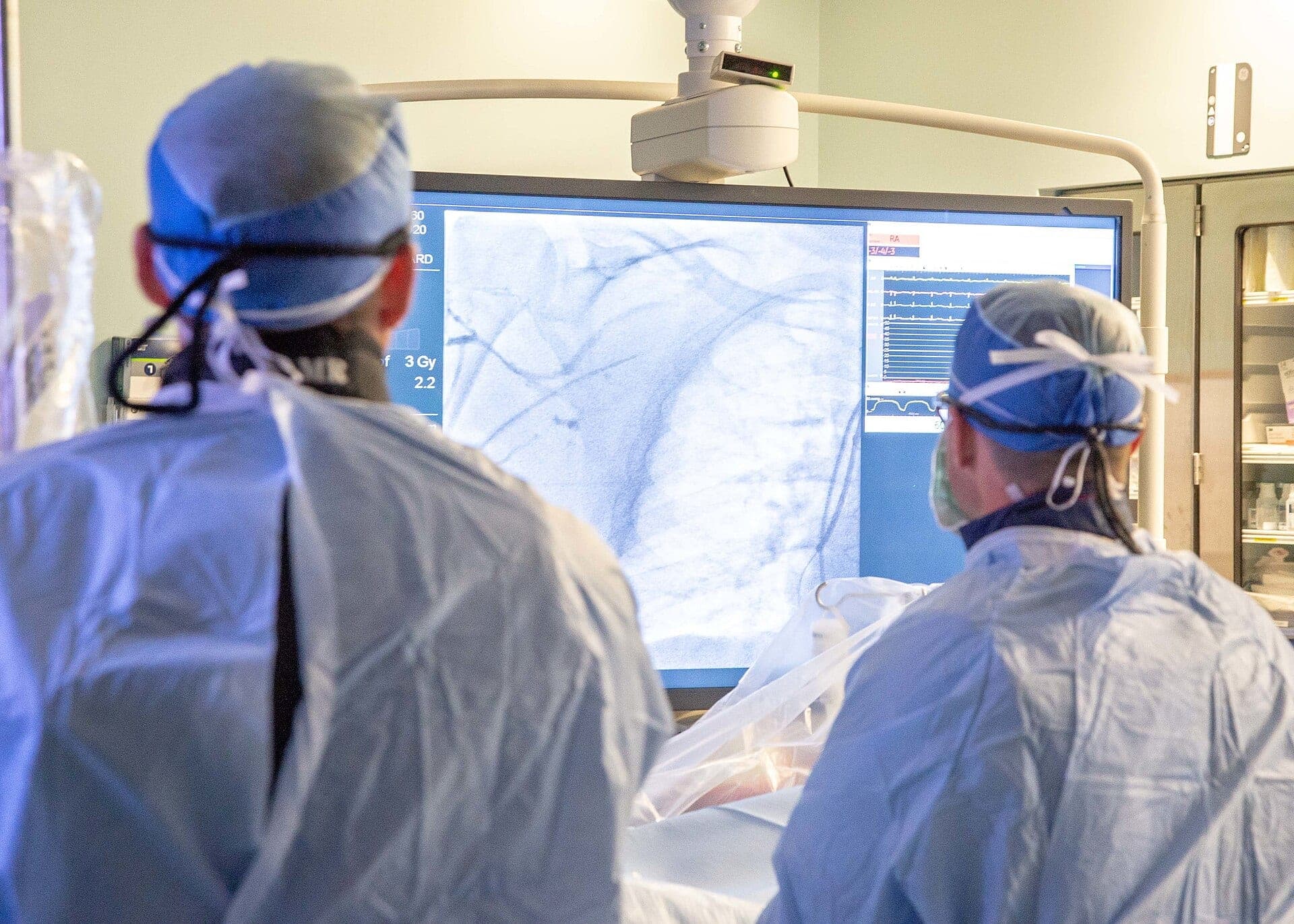
Doctors, nurses and technologists who perform procedures guided by live X-ray imaging, such as heart catheterizations, work amid scattered radiation, usually wearing heavy lead aprons for protection. “For decades, clinicians have accepted scatter radiation exposure and the physical burden of lead apparel as unavoidable realities of procedural medicine,” the company said in a July announcement.
Salus’ first product, GLiFT, is an endoskeleton that shifts the weight of a lead apron from the shoulders to the hips, according to the company. The company lists Dr. Bill Buchanan, an interventional cardiologist who founded a cardiology practice in Wilmington, N.C., as its founder. Buchanan came up with the original GLiFT concept after a shoulder injury left him with chronic pain from years of wearing heavy lead, Flohr said in an interview published in a supplement to the trade journal Cardiac Interventions Today that Salus sponsored.
The line has grown since then. AeroShield combines a table-mounted shield that inflates above the table with a hanging shield mounted to the ceiling, meant to protect the whole team during a case. PeRM provides real-time personal dose tracking through a dosimeter and a phone app. Salus Lab is a service that manages a hospital’s stock of protective garments for its radiation safety officers.
A tailwind from the medical societies
In July, six medical groups, including the Society for Cardiovascular Angiography & Interventions and the American College of Cardiology, published a joint consensus statement on occupational radiation safety. Salus said the statement recognizes enhanced radiation protection devices, the category AeroShield falls into, as an important advance.
Dr. Kenneth Rosenfield, Salus’ chief medical officer, cast it as a turning point in the company’s July 18 announcement.
“With this multidisciplinary consensus statement, we are awakening a sleeping giant,” Rosenfield said. He added, “The evidence is now clear, and the mandate is unmistakable: We must act!”
First results from a hospital
Tallahassee Memorial HealthCare in Florida became the first hospital to use AeroShield in a clinical catheterization lab in February, the hospital and Salus announced. The hospital was also adopting GLiFT and PeRM, according to the announcement.
On Aug. 12, Salus published a company report on 61 consecutive procedures there. It said the shield stayed in place for every procedure and that the primary operator’s average normalized dose, measured outside the lead apron, was 0.83 millirem per case. The evaluation was led by Dr. William Dixon, an interventional cardiologist at the hospital.
“After only a couple of cases, the team wasn’t thinking about the device, we were simply focused on the patient,” Dixon said in the company’s announcement.
Salus said future reports will draw on additional cardiovascular centers as its multicenter clinical program expands.
From Mount Pleasant to Berkeley County
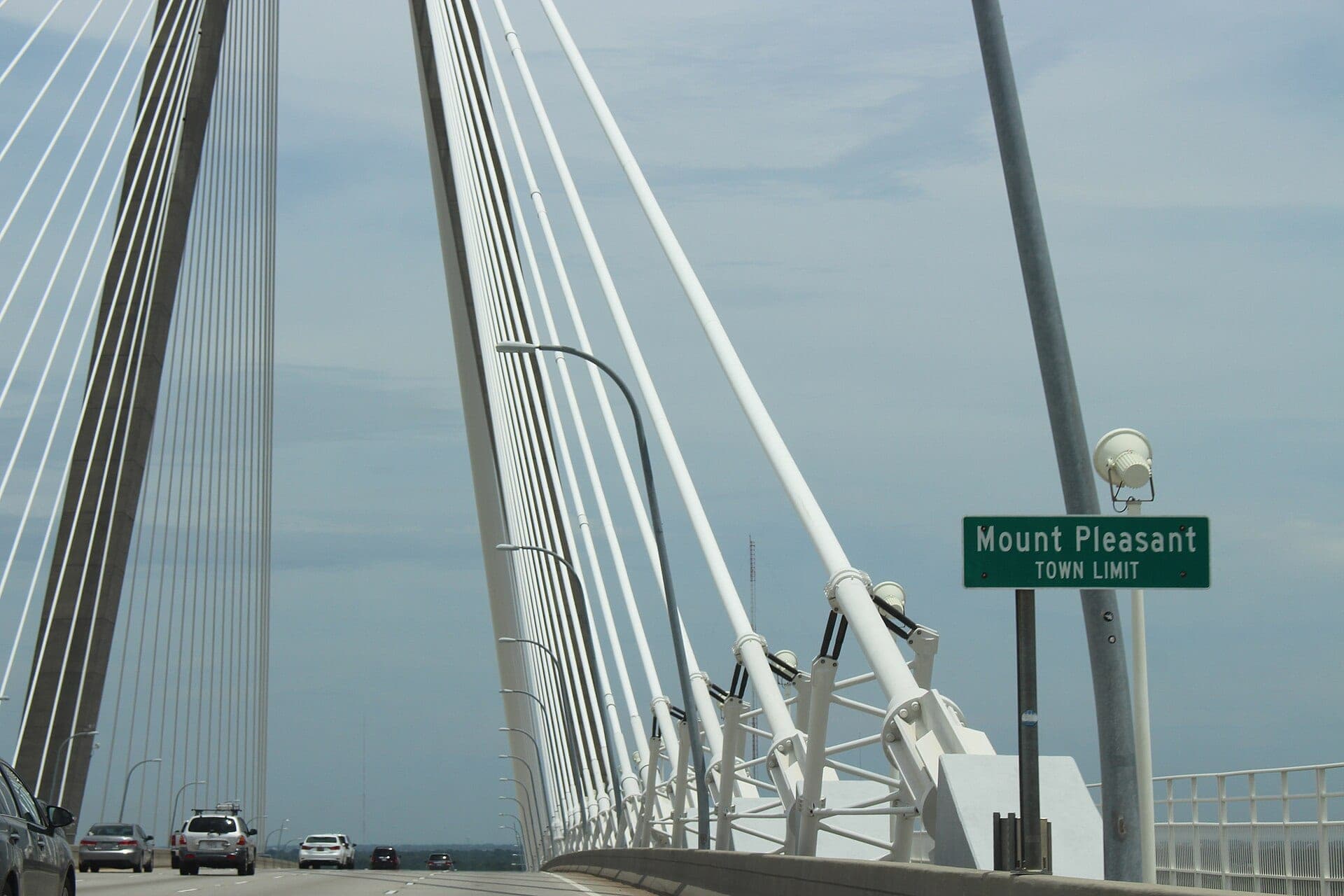
Salus filed its first SEC offering notice in 2022 from a Mount Pleasant address. That offering sought $2 million and had sold $335,000 to five investors at the time of filing. The company’s website dates its seed round to 2023.
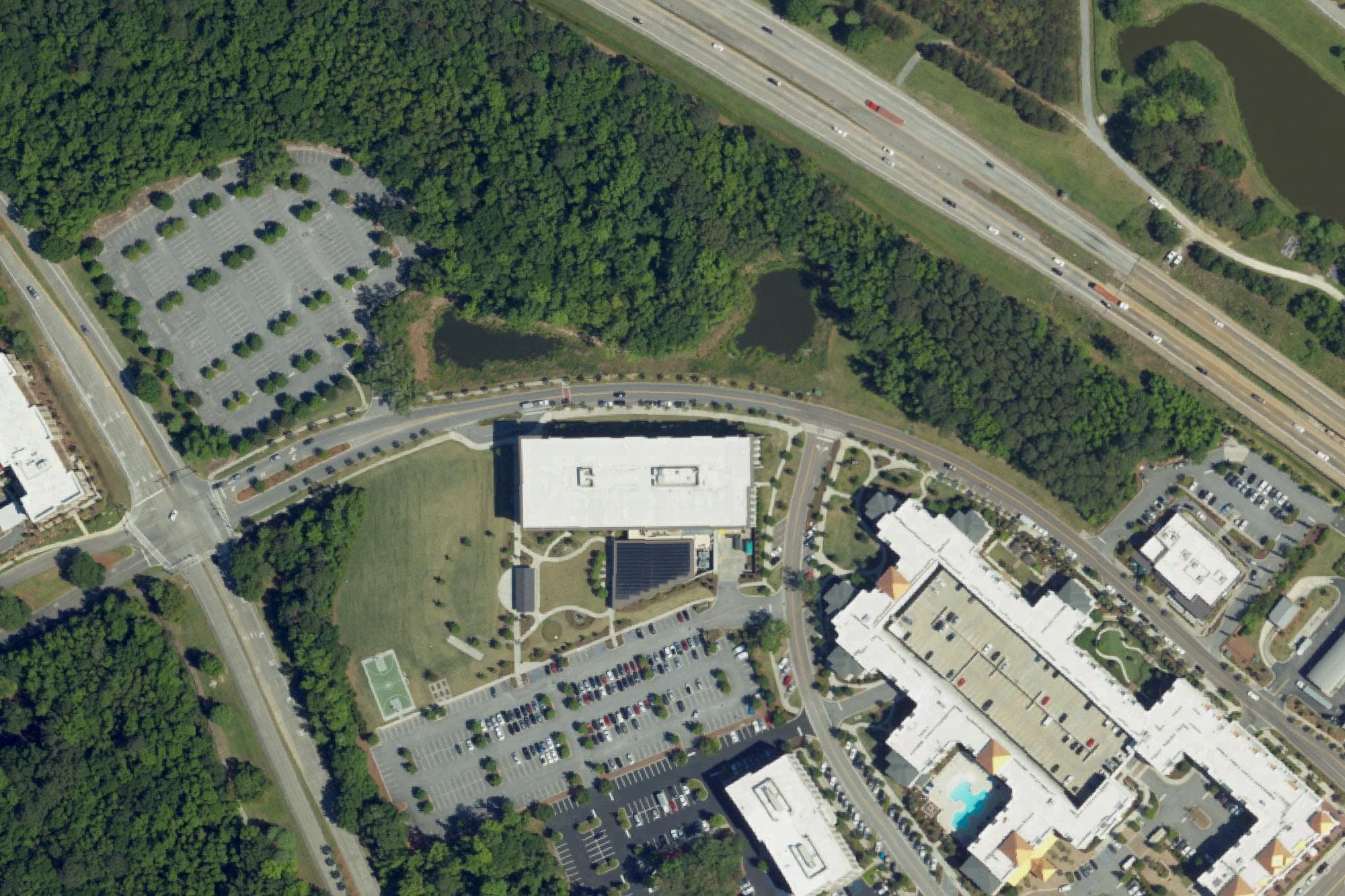
Its filings now list an office at 475 Jessen Lane, a Charleston address in Berkeley County. The 2026 filings place the company’s annual revenue between $1 million and $5 million, up from the range of $1 million or less it reported in 2022 and 2024.
Flohr co-founded the company. He previously held roles at HeartFlow, Vital Connect and Abbott Vascular, according to the company, and he holds a bachelor’s degree from the College of Charleston.
Salus has not said how many people it employs or how many hospitals use its products.