The Port of Charleston’s container business has not found its floor yet.
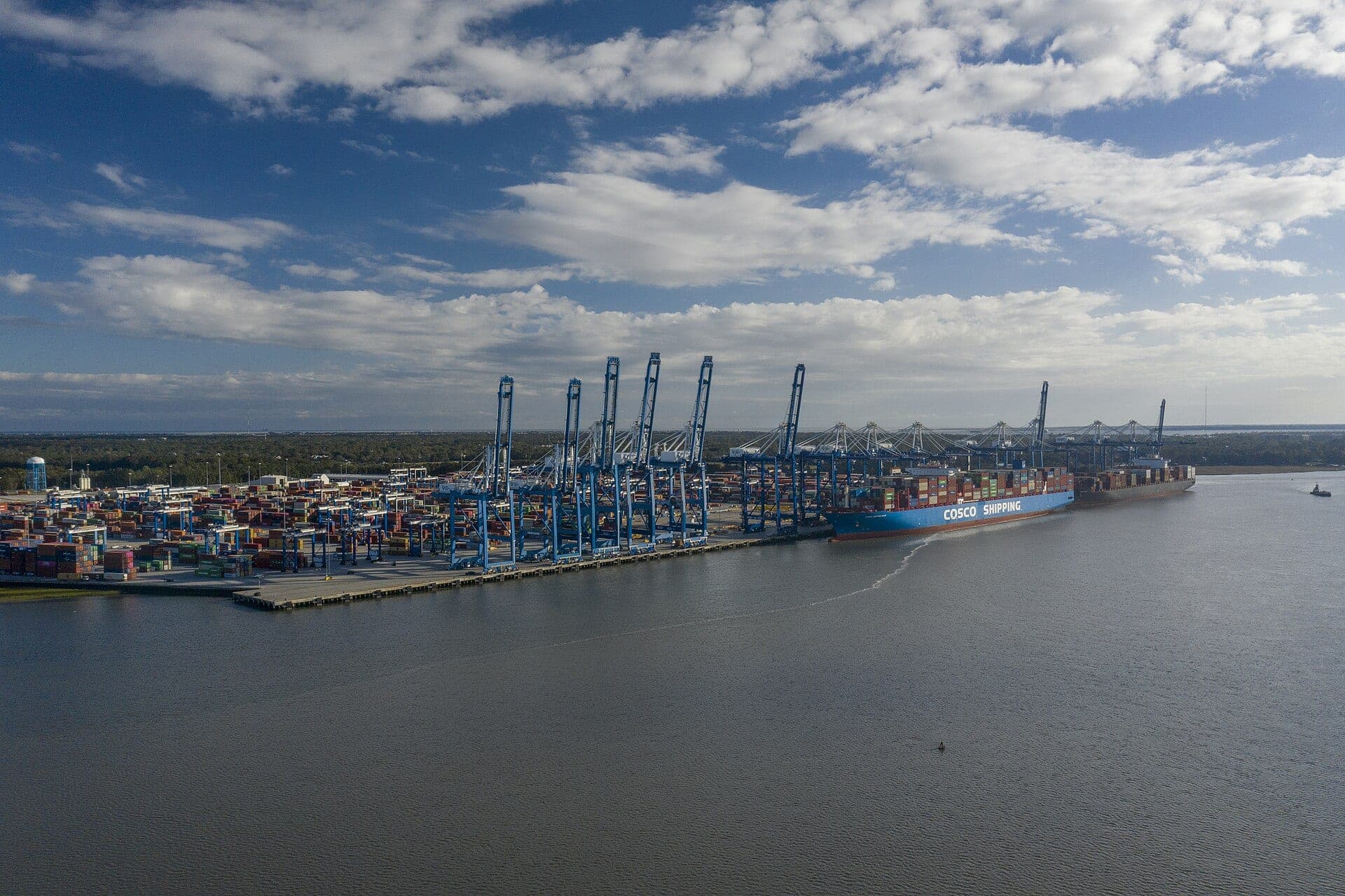
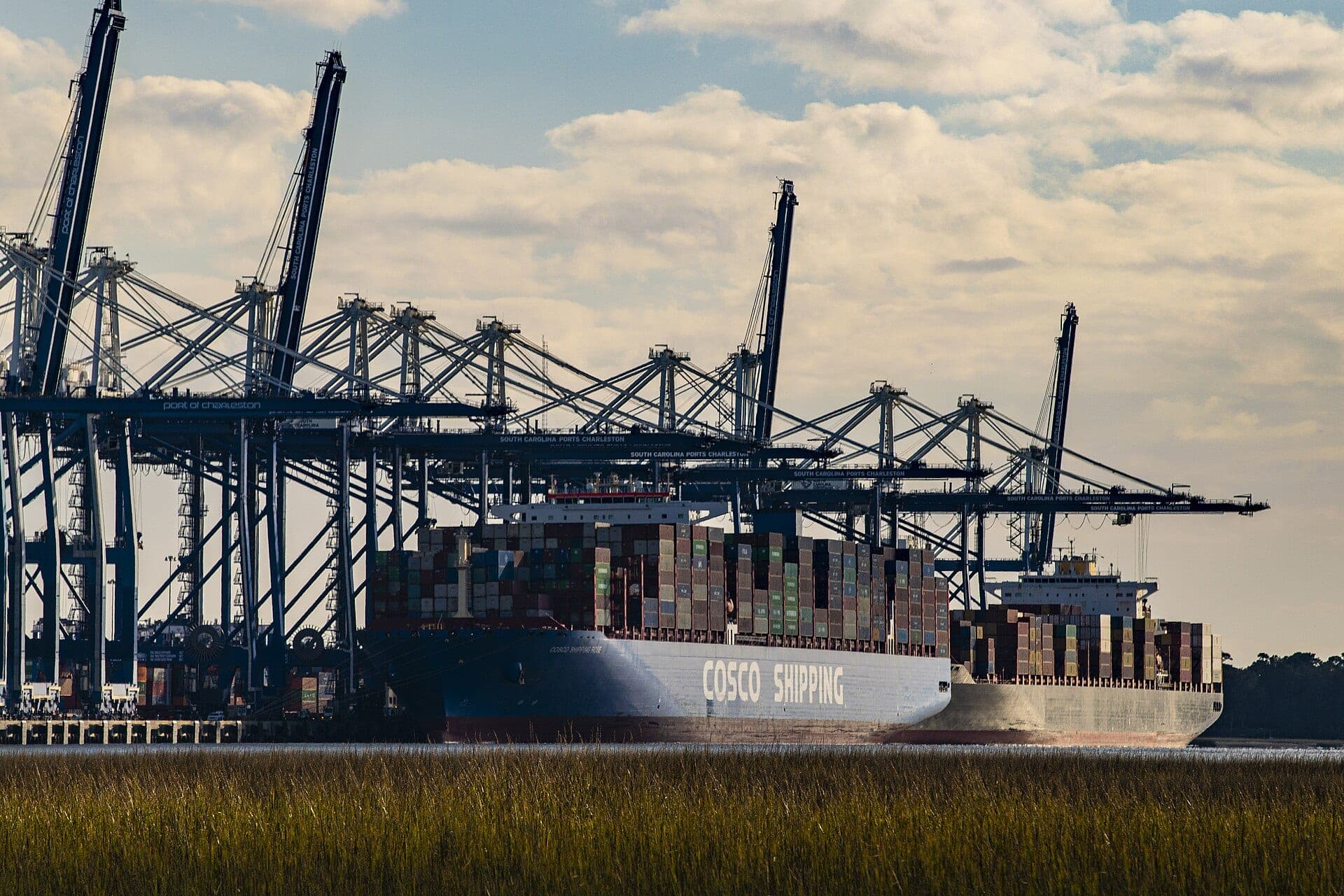
The South Carolina State Ports Authority, known as SC Ports, handled 111,396 cargo containers at its marine terminals in September, down 4.3% from a year earlier, according to the authority’s monthly figures. Measured in 20-foot equivalent units, or TEUs, volume fell 5% to 201,773.
Container counts have come in below the prior year’s level every month since September 2025, the figures show.
Through the first three months of fiscal 2027, which began July 1, the port moved 335,312 containers, down 6.8%. TEUs fell 7.2% to 608,258.
That follows a 4.6% drop in containers in fiscal 2026, which ended June 30. The authority reported revenue of about $401 million for the year, roughly 5% less than it had budgeted, the SC Daily Gazette reported. Its audited statements put fiscal 2025 operating revenue at $426.5 million.
“We knew that achieving the (container) volumes on account of what was going on in the market was highly unlikely,” President and CEO Micah Mallace told the authority’s board in August, according to the Gazette. “So, we really focused on cost.”
Cutting costs
Fiscal 2026 operating costs came to $378.7 million, down 10% from the original budget and 5.3% from the year before, the Gazette reported. The authority offered early retirement to some employees, revisited contract terms, delayed hiring and watched overtime.
In July and August, operating revenue fell nearly 20% to about $61 million, while costs fell almost 9% to $56 million, The Post and Courier reported. Chief Financial Officer Phil Padgett said the cost savings were “primarily driven” by lower wage-related expenses, according to the newspaper.
The budget for fiscal 2027 calls for revenue of $369 million and expenses of $361 million, each roughly 8% lower, the Post and Courier reported in June.
Mallace has said the savings are meant to bring prices down. He said the rates the port charges container lines “have gotten a little out of whack” compared with regional competitors, and that cutting internal costs would allow the authority to get “our rates back in line with our competitors,” the Gazette reported.
Where the boxes went
Imports fell while exports held up. In the July to September quarter, loaded import volume fell 7% in TEUs, while loaded exports rose 0.8%, according to SC Ports. Empty containers shipped out of the port fell 15.8%, also measured in TEUs.
Wando Welch Terminal in Mount Pleasant, the port’s largest, held nearly steady at 304,156 containers, down 0.4%. North Charleston Terminal handled 27,944, down 20.6%.
Rail moves at the authority’s inland ports fell 30% for the quarter, with Inland Port Greer down 33.6% and Inland Port Dillon down 15.9%. Vehicles handled at the port’s piers fell 46% to 25,902, the figures show.
Leatherman on hold
Hugh K. Leatherman Terminal in North Charleston handled 3,212 containers in the quarter and none in September.
SC Ports idled the terminal on Aug. 1 to save money. It opened in 2021 with capacity for 700,000 TEUs a year, according to SC Ports, but it handled almost 85,000 containers in fiscal 2026, or 6.3% of the port’s total, the Post and Courier reported. The terminal is run entirely by union dockworkers and costs more to operate than the port’s other container terminals, according to the Gazette.
Mallace said in June that most of the ships calling there would shift to North Charleston Terminal, with larger vessels going to Wando Welch, the Post and Courier reported.
In June, the authority also quietly asked private companies for proposals to take over day-to-day management of Leatherman, the Post and Courier reported in August. The authority set no deadline and made no promise of a deal.
“We have multiple parties interested in the Leatherman Terminal, and we’re considering that as one potential avenue,” Mallace said Aug. 18, according to the Post and Courier. He said the authority was looking at other options, too, including some in which it would keep more control.
Narrowing the focus
Mallace said the authority has become “much more selective” about capital projects, the Gazette reported. It has slowed work on the Navy Base Intermodal Facility, a rail yard next to Leatherman, while it negotiates with the railroads that will serve it.
Mallace has said the projects it does take on must be tied to new revenue or lower costs. The authority plans to demolish the former WestRock paper mill next to North Charleston Terminal and move some vehicle exports there from Columbus Street Terminal, with operations expected to begin in 2028, the Gazette reported in May.
It has also stepped back from a long-planned container terminal in Jasper County. In a May 19 letter, SC Ports and the Georgia Ports Authority agreed to “stand down” all work on the Jasper Ocean Terminal, the Gazette reported Oct. 9.
What comes next
Mallace will give his second annual State of the Port address Oct. 27 at the Charleston Area Convention Center, where the authority’s board is also scheduled to meet. He said he would share more details there about the fiscal year that ended in June and the current one, the Post and Courier reported.
After the board’s September meeting, his read on the market had not changed much.
“I feel like a broken record, but the signals are really mixed right now,” Mallace said, according to the Post and Courier.