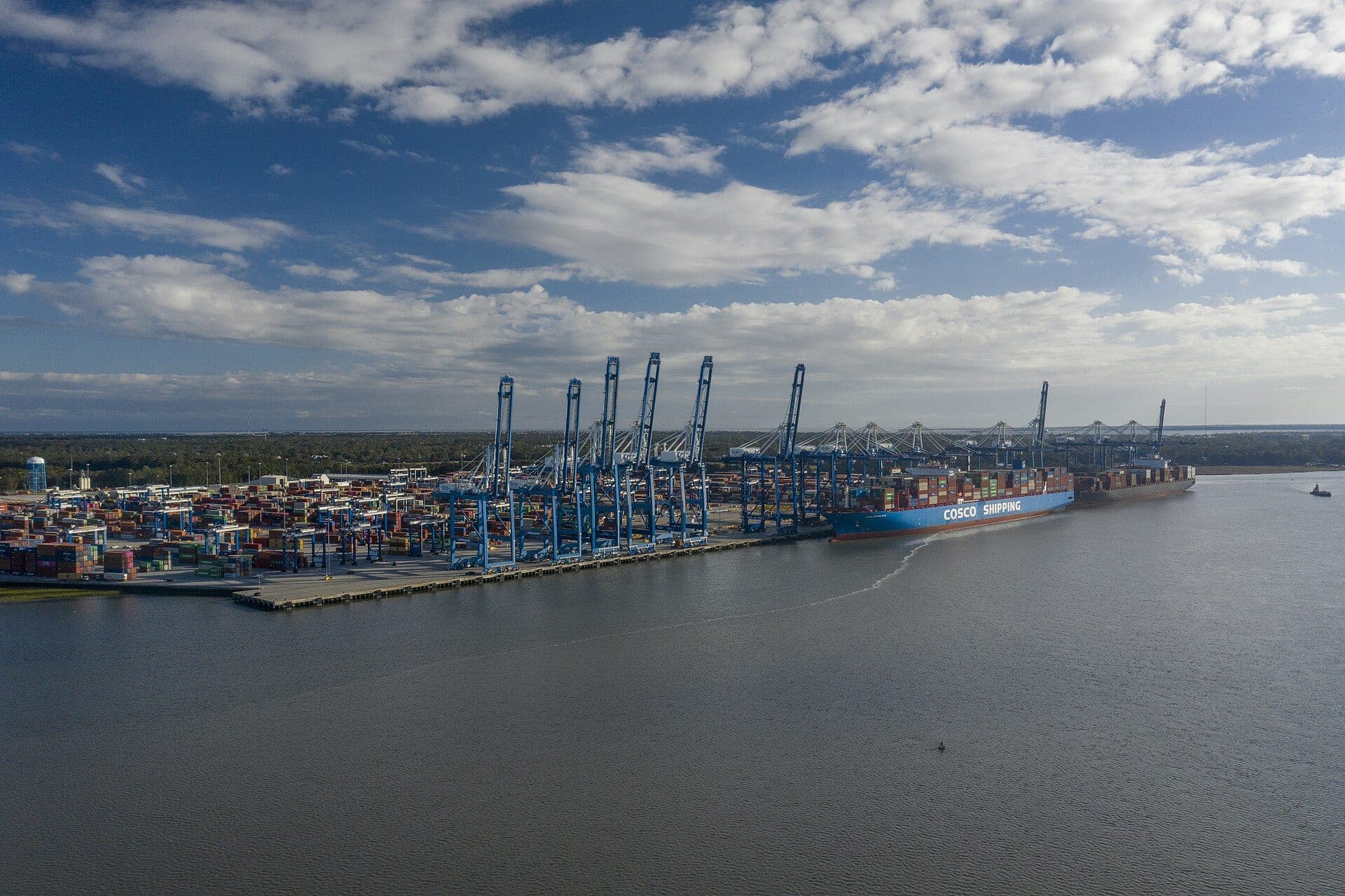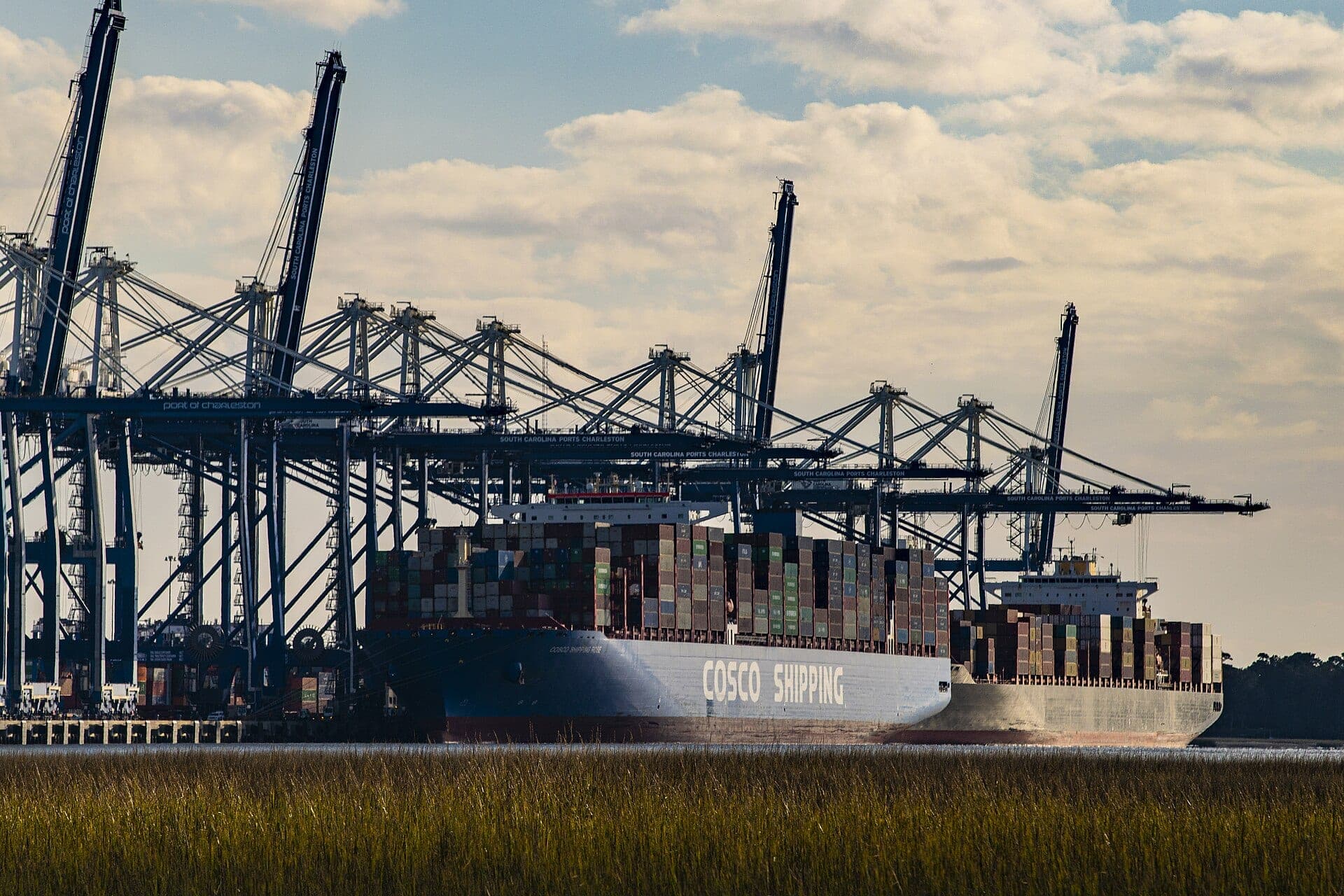
The one stretch of Charleston Harbor left out of the last deepening is now under formal study. The result will help decide which ships can reach North Charleston Terminal.
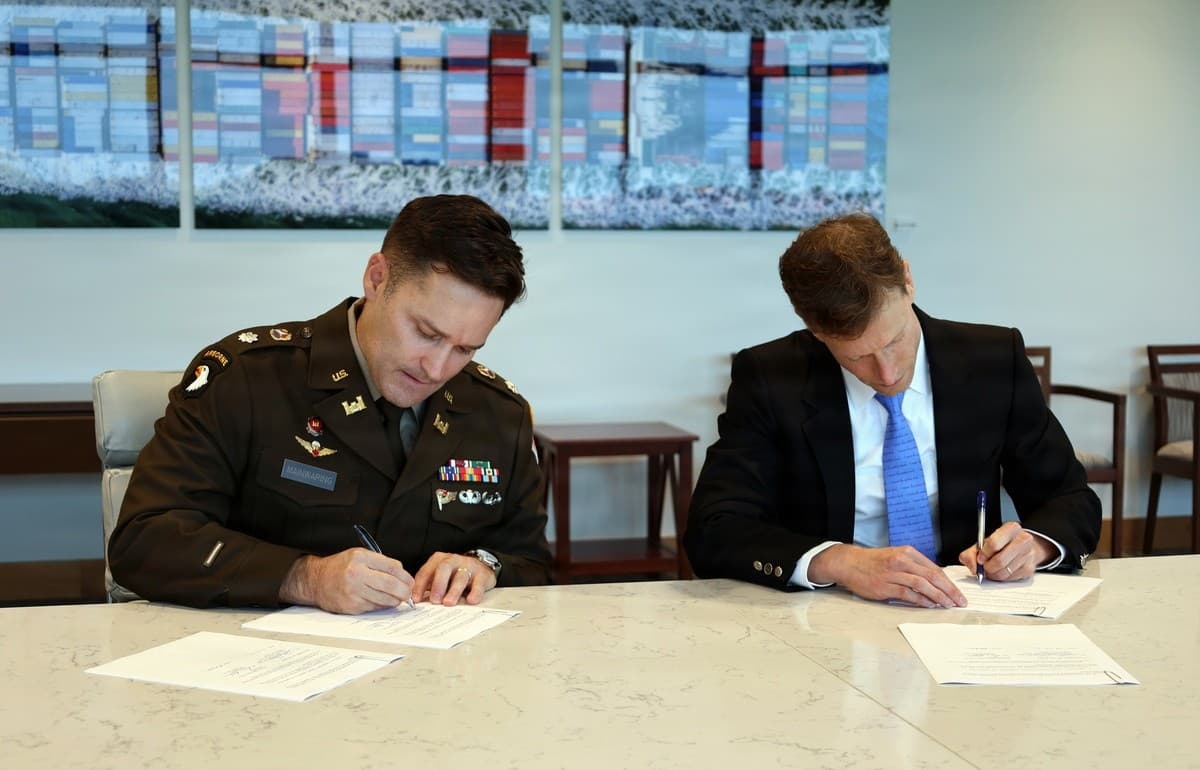
On Aug. 28, the South Carolina Ports Authority, known as SC Ports, and the U.S. Army Corps of Engineers’ Charleston District signed a feasibility cost-sharing agreement to study the Cooper River channel that serves the terminal, according to the Corps.
That channel is maintained at 48 feet, the Corps said. The harbor was deepened to 52 feet up to the Wando Welch and Hugh K. Leatherman terminals in 2022, when the Corps finished its Post 45 deepening project. The Corps has put that project’s cost at $580 million.
What’s at stake
North Charleston Terminal handles about 22% of the port’s container volume and specializes in ships of 8,000 TEUs or smaller, according to SC Ports. A TEU equals one 20-foot container.
A uniform depth would let modern container ships reach the entire port without tidal restrictions, the Corps said. SC Ports said it would let all of its container terminals handle the biggest ships at any tide.
“Deepening this final stretch makes our port more competitive and supports our long-term plan to modernize and enhance North Charleston Terminal,” SC Ports President and CEO Micah Mallace said in the agency’s announcement.
Depth is one piece of that plan. In March 2024, SC Ports announced plans to buy the roughly 280-acre former WestRock paper mill site next to the terminal. It said the added land would expand the terminal’s capacity to handle 5 million containers in the future.
SC Ports said at the time that the S.C. Department of Transportation plans to replace the Don Holt Bridge as part of its Interstate 526 expansion, removing height constraints for larger ships.
What comes next
The study will weigh engineering, economic and environmental factors, according to the Corps. Congress authorized it in the Water Resources Development Act of 2024 and funded it in fiscal 2026. SC Ports will share the study’s costs as the local sponsor, the Corps said.
Neither agency has released the study’s cost or a completion date. Corps planning rules generally hold a feasibility study to three years and $3 million, split evenly between the federal government and the local sponsor, though exemptions are allowed, according to Corps planning documents.
“We are working together to better understand the needs of the region and will make an assessment of the best path forward once the study is complete,” said Jacob Kyzar, the Charleston District’s project manager for the study, in the Corps’ announcement.
Until then, the channel to North Charleston Terminal stays at 48 feet.