A Ridgeville manufacturer is the defendant in what the Justice Department called the first case in its criminal investigation of the graphite electrode industry.
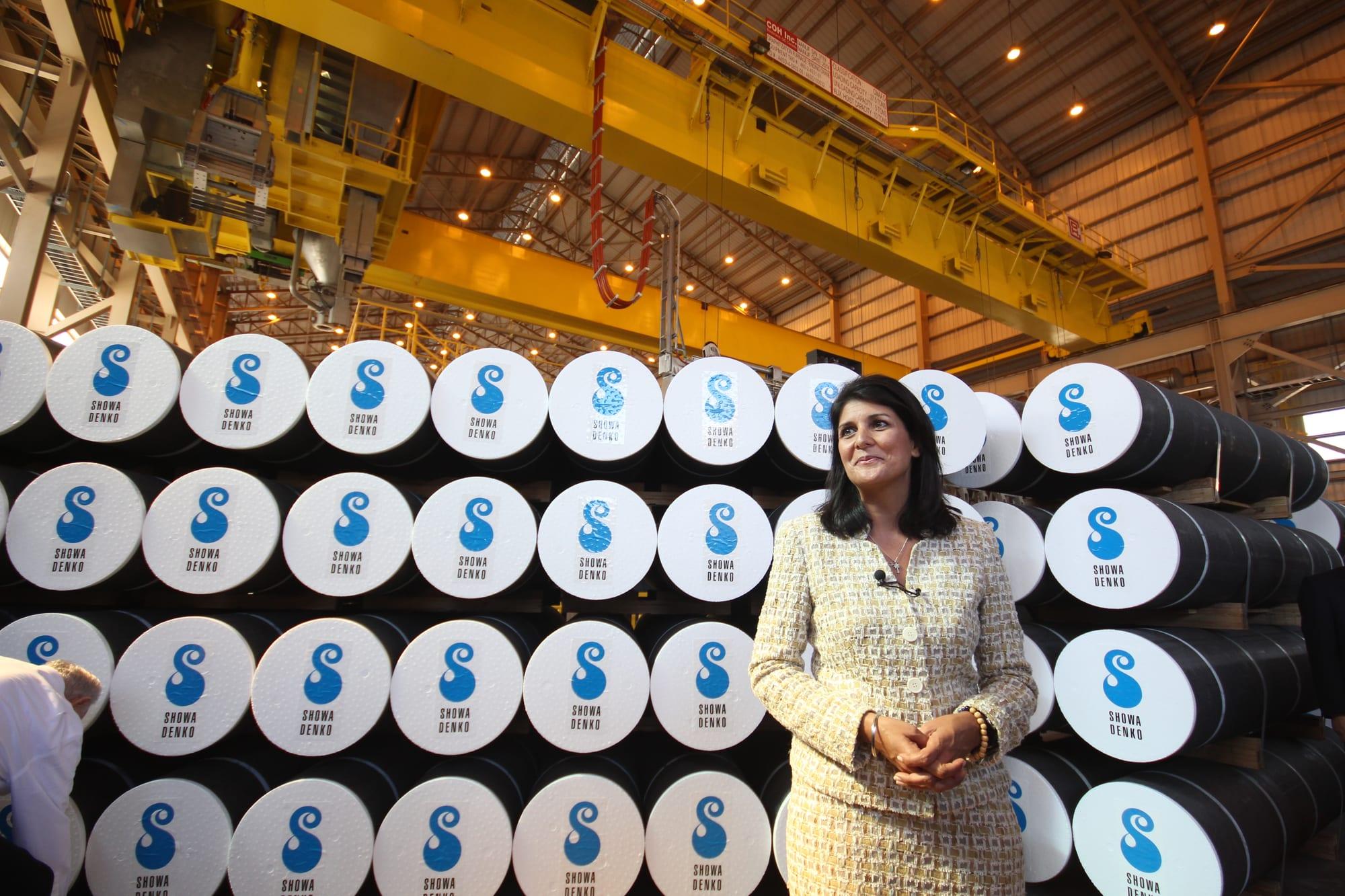
The U.S. Justice Department on Monday charged Showa Denko Carbon Inc. with taking part in an international conspiracy to fix prices and divide up sales of graphite electrodes, the large carbon columns that steel mills use to melt scrap in electric arc furnaces.
The company will plead guilty at an arraignment to be held soon and has agreed to pay a $29 million fine, the department said. It called that the fourth-largest criminal fine in the history of antitrust enforcement.
As part of the plea agreement, Showa Denko Carbon and its affiliated companies agreed to cooperate in the government’s continuing investigation, the department said.
What the charge says
The one-count charge was filed in U.S. District Court for the Eastern District of Pennsylvania. It accuses the company of violating the Sherman Antitrust Act from about 1993 until about January 1997.
According to the charge, Showa Denko Carbon and unnamed co-conspirators met and talked in the Far East, Europe and the United States. The department said they agreed to raise and hold prices, eliminate discounts and allocate the volume of electrodes each company would sell.
The department said the conspirators also divided the world market among themselves and named, region by region, the company that would set the price the others would follow, including in the United States. They agreed to restrict their production capacity and to keep certain electrode manufacturing technology away from companies outside the group, it said.
To hide the arrangement, they discussed methods that included code names for the companies, according to the department. They also swapped sales and customer information to monitor and enforce the deal, it said.
Why it matters to steelmakers
Steel “mini-mills” use the electrodes in electric arc furnaces to generate the heat that melts and refines steel. Nine electrodes, joined in three columns of three, are used in the average furnace to melt scrap steel, and they are consumed continuously, the department said. The court filing estimates that about one electrode is used up every eight hours.
U.S. sales of graphite electrodes were an estimated $500 million in 1996 and more than $1.5 billion during the conspiracy, according to the department. It said customers saw significant price increases that far outpaced inflation.
“This case is the first step by the Department of Justice in prosecuting and dismantling an international cartel that increased prices of a vital product used in American steel making,” Attorney General Janet Reno said in the department’s announcement. “Customers in this important industry must not be denied the benefits of free and open competition.”
The Ridgeville company
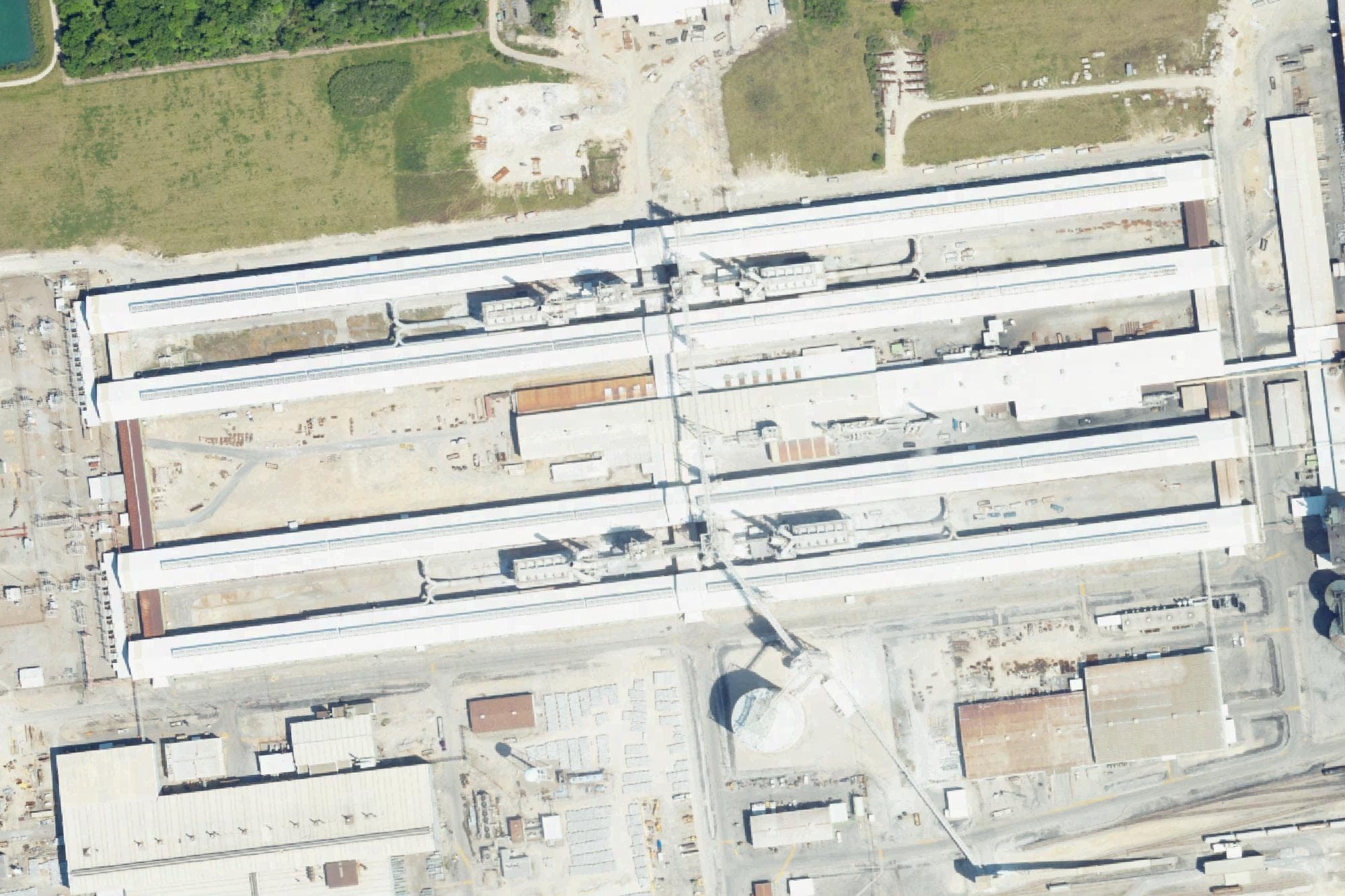
The department described Showa Denko Carbon as a South Carolina corporation and a U.S. subsidiary of a Japanese firm, Showa Financing KK. It makes graphite electrodes at its headquarters in Ridgeville and sells them across the United States and abroad, the department said.
The charge says the company’s principal place of business during the conspiracy was Ridgeville.
More cases expected
Federal officials signaled that Showa Denko Carbon will not be the last company charged.
“Today’s case is likely only the first in the graphite electrode industry and represents a continuing expansion of the Division’s investigations into many international markets,” said Gary R. Spratling, the Antitrust Division’s deputy assistant attorney general for criminal enforcement. “In future months, we expect more prosecutions in this and other international industries.”
UCAR International Inc. of Danbury, Conn., and SGL Carbon AG of Wiesbaden, Germany, are the world’s two largest graphite electrode producers, according to the department, citing public filings. UCAR and SGL Carbon Corp. of Charlotte, N.C., an SGL subsidiary, have said search warrants were executed at their offices on June 5, 1997, the department said.
Another producer, The Carbide/Graphite Group of Pittsburgh, has said it was accepted into the Antitrust Division’s leniency program, according to the department. The program can protect a company from criminal prosecution if it voluntarily reports its role in a crime and meets other conditions.
“The Antitrust Division’s top priority in criminal enforcement is to uncover such cartels and vigorously prosecute individuals and corporations causing us harm,” said Joel I. Klein, the assistant attorney general in charge of the division.
The case grew out of an investigation by the Antitrust Division’s Philadelphia field office and the FBI in Philadelphia, the department said.
A Sherman Act violation carries a maximum fine of $10 million for a corporation. The fine can be raised to twice the conspirators’ gain or twice the victims’ loss if either amount is larger, according to the department.