Two of South Carolina’s biggest utilities are walking away from the two nuclear reactors they were building.
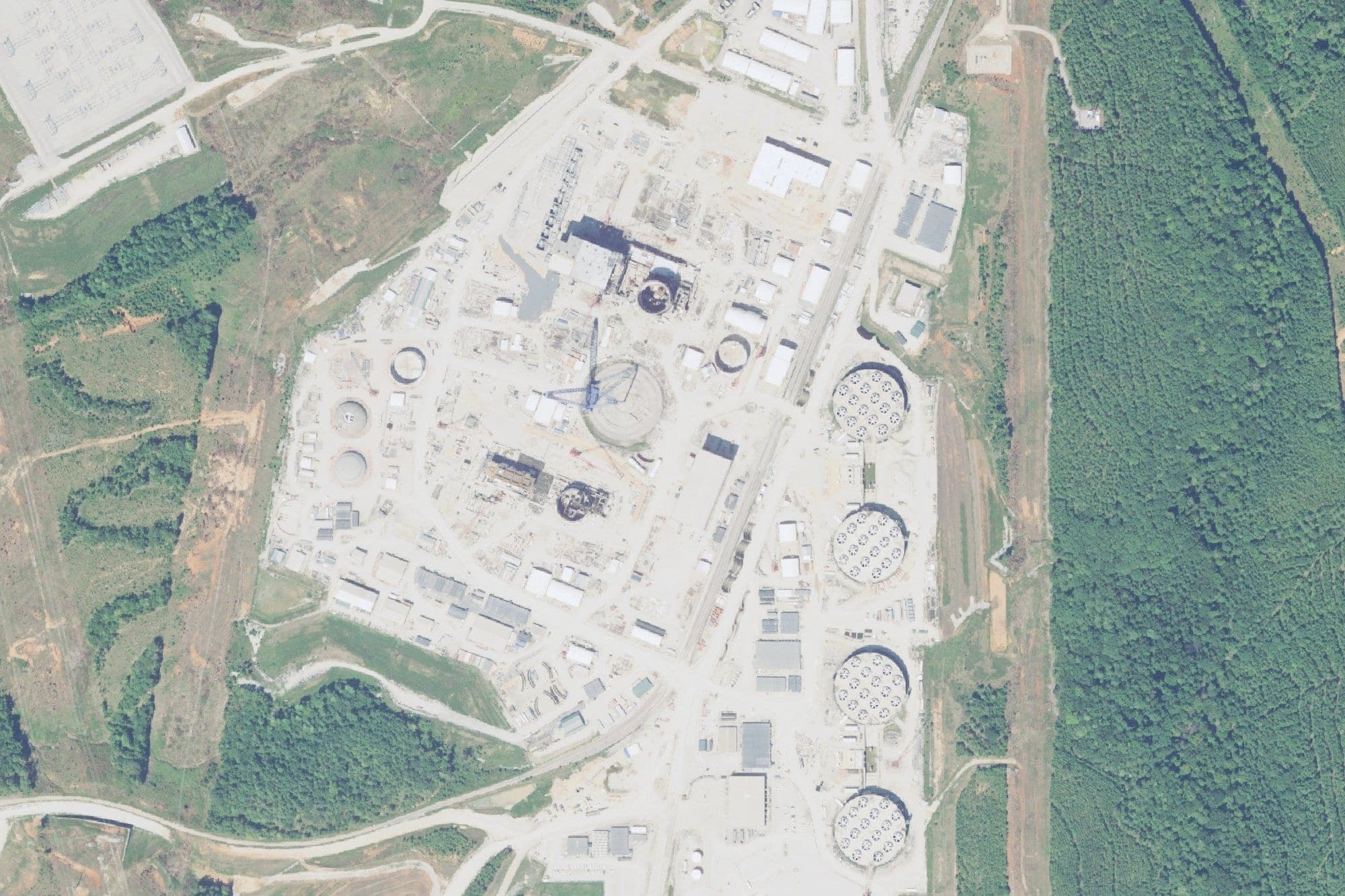
The Santee Cooper Board of Directors voted Monday to suspend construction of Units 2 and 3 at the V.C. Summer Nuclear Station in Jenkinsville, northwest of Columbia. The same day, South Carolina Electric & Gas Co. said it would stop work on both reactors and promptly ask the Public Service Commission of South Carolina to approve its plan to abandon them.
SCE&G owns 55% of the project and Santee Cooper, the state-owned utility based in Moncks Corner, owns 45%. Both sell power directly to customers in Berkeley County, and SCE&G also serves customers in Charleston and Dorchester counties, according to federal Energy Information Administration records.
Santee Cooper said stopping now would save its customers nearly $7 billion in added costs, including interest, compared with finishing the plant.
How the numbers grew
Santee Cooper has spent about $4.7 billion on construction and interest for its share, the utility said. Its latest analysis shows the reactors would not be finished until 2024, four years after the most recent completion date from contractor Westinghouse Electric Co.
At that pace, Santee Cooper said, its share would cost $8.0 billion to build plus about $3.4 billion in interest, a total of $11.4 billion for its customers. Schedule delays raised projected interest costs 143% over the original plan, the utility said.
The two utilities gave Westinghouse full notice to proceed in April 2012. The contract called for the units to be substantially complete in 2016 and 2019, according to Santee Cooper. Its board first approved a $5.1 billion budget for its share and related transmission lines. In October 2015 the board approved an amended contract with an option to fix Santee Cooper’s costs at $6.2 billion, and it locked in that price in June 2016.
Westinghouse filed for bankruptcy in March. Santee Cooper said cost and schedule data from Westinghouse and subcontractor Fluor Corp. that came to light afterward drove its decision.
“After Westinghouse’s bankruptcy and anticipated rejection of the fixed-price contract, the best case scenario shows this project would be several years late and 75 percent more than originally planned,” Santee Cooper President and CEO Lonnie Carter said in the utility’s announcement. “We simply cannot ask our customers to pay for a project that has become uneconomical.”
Board Chairman Leighton Lord said generation diversity remains important to Santee Cooper, “but the costs of these units are simply too much for our customers to bear.”
SCE&G’s choice narrowed
SCE&G, a subsidiary of Cayce-based SCANA Corp., said it had studied the costs to finish, the uncertain availability of federal production tax credits and the guaranty payments expected from Westinghouse’s parent, Toshiba Corp.
The units would have to be running before Jan. 1, 2021, to qualify for the tax credits under current rules, and SCE&G’s analysis concluded they could not be, the company said.
SCE&G also weighed finishing Unit 2 alone and using natural gas plants for the rest of its needs. It had not decided on that option when Santee Cooper said it would not continue with either one or two units, SCANA said. SCE&G then concluded that abandoning both units was “the only remaining prudent course of action.”
“Ultimately, our project co-owner Santee Cooper’s decision to suspend construction made clear that proceeding on our own would not be economically feasible,” SCANA Chairman and CEO Kevin Marsh said in the company’s announcement. “Ceasing work on the project was our least desired option, but this is the right thing to do at this time.”
Marsh also addressed the employees who worked on the units. “We are deeply grateful for all their contributions and will do our best to support those affected by these changes,” he said.
Normal construction will stop immediately, and work will shift to winding down and securing the site, SCANA said.
What customers face
SCE&G plans to brief the Public Service Commission at 10 a.m. Tuesday and then start the abandonment proceeding. Under the state’s Base Load Review Act, the company said, it will seek to recover the project’s costs over time, plus a return on the unrecovered balance. It plans to use the Toshiba settlement payments and tax deductions to soften rate increases for several years.
SCE&G serves about 718,000 electric customers in South Carolina, according to SCANA, which reaffirmed its earnings guidance Monday.
Toshiba has agreed to pay Santee Cooper $976 million, starting later this year and continuing through 2022. Santee Cooper said it will use the money to avoid new debt and stabilize rates. It also said it will keep pursuing Westinghouse assets in bankruptcy court and elsewhere.
Santee Cooper’s board directed management to protect the site, components and equipment during the wind-down. Carter said the utility will keep looking for federal support and new partners “to see if we can make the project economical again.”
A decade in the making
Santee Cooper and SCE&G applied to build the two units in 2008, when Santee Cooper’s system was growing fast and natural gas cost three times what it does now, the state utility said. Since then, its load forecast has slowed and gas prices have fallen.
Santee Cooper also owns a third of V.C. Summer Unit 1, with SCE&G as majority owner. That unit came online in 1983, and Santee Cooper calls it the lowest-cost source of power among its base load plants.
Santee Cooper describes itself as the ultimate source of electricity for 2 million people across South Carolina.