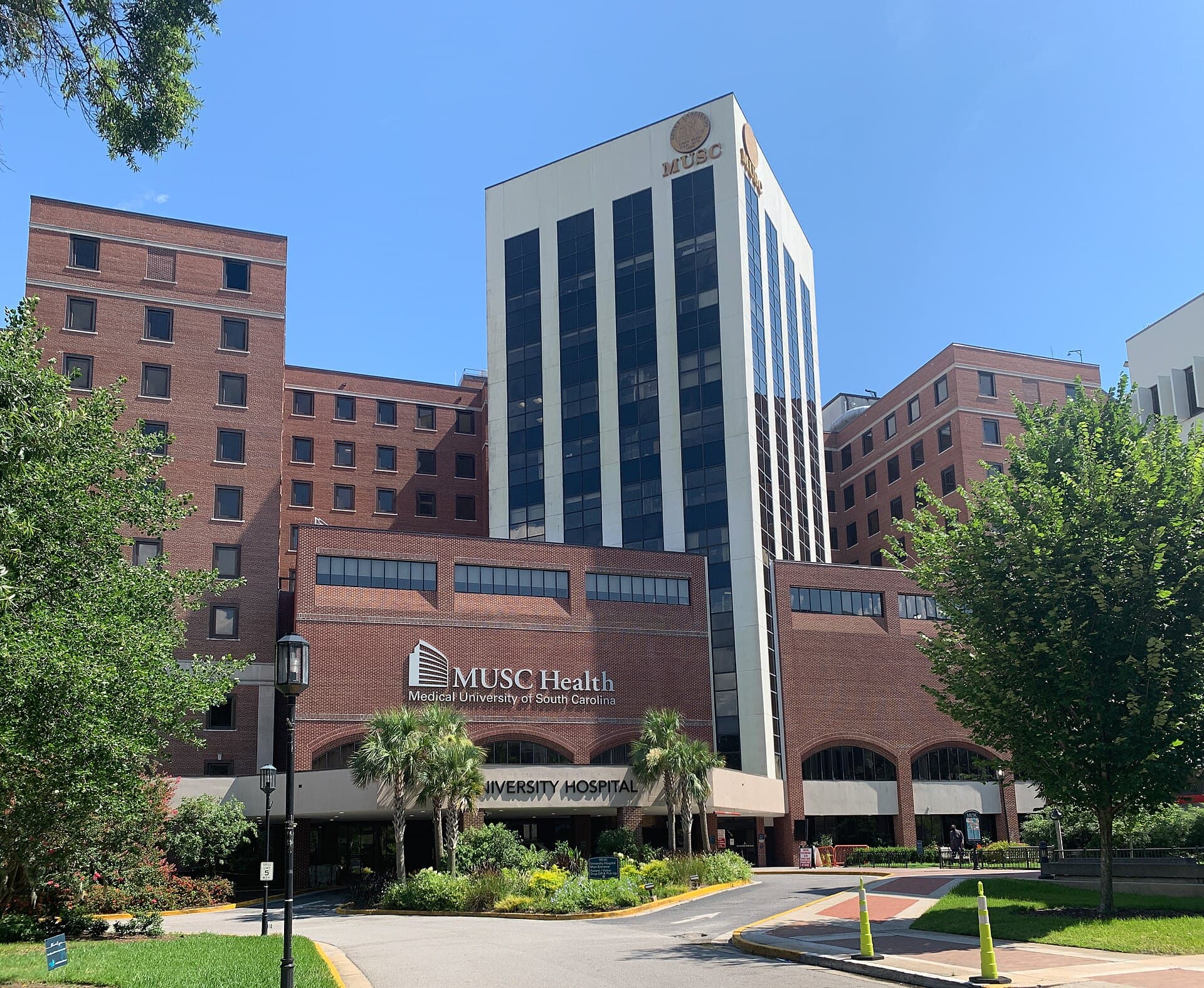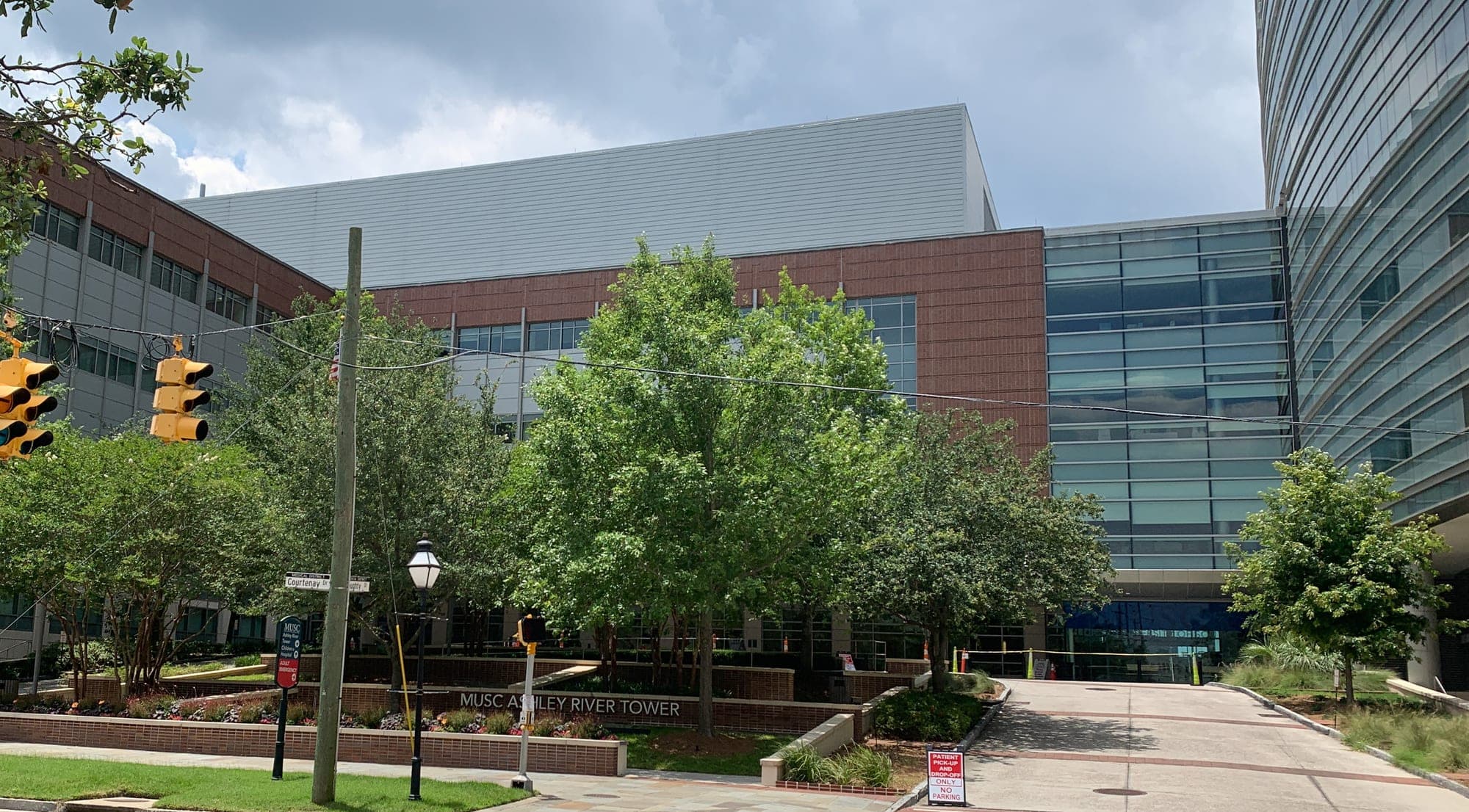
The nurses who help admit and discharge many patients at Medical University of South Carolina hospitals are not always in the building. Some of them work for VirtuAlly, a Charleston company that started inside MUSC and now sells virtual nursing to health systems in other states.
In August, VirtuAlly landed at No. 1,312 on the Inc. 5000 list of fast-growing private companies. It reported revenue growth of 268% from 2022 through 2025, driven by demand for virtual nursing, telesitting and telemetry monitoring. The company did not disclose its revenue or headcount in the announcement.
It has since expanded into emergency department triage at MUSC Health, and a report MUSC published this year with Manatt Health offers a way to measure what its virtual nursing program is worth.
“Hospitals are no longer asking whether virtual nursing can work,” CEO Joseph Wechsler said in the August announcement. “They are asking how quickly they can implement it in a way that supports bedside teams, improves patient safety, and delivers measurable value.”
From sitters to nurses
VirtuAlly was founded in 2017 as a spinout from MUSC, according to the company. It began at MUSC’s Center for Telehealth, Morgan Sires, the company’s director of strategic growth, told The Post and Courier in 2025.
One early target was the hospital sitter. Patients at high risk of falling were often watched one at a time by a nurse or nursing aide paid $22 an hour, Sires told the newspaper. With cameras in patient rooms, one virtual observer can watch 12 patients and alert staff when someone needs help, said Angel Bozard, VirtuAlly’s chief nursing officer.
The company has since moved into virtual nursing, in which experienced nurses on video take on admissions, discharge teaching, patient education and charting so bedside nurses can spend more time in rooms. It runs a 24-hour operation from headquarters on Tobias Gadson Boulevard in West Ashley and an office in Orlando, Florida. In January 2025, it received accreditation from The Joint Commission, which the company says made it one of the first virtual nursing organizations to earn it.
Customers outside South Carolina include five Orlando Health hospitals, where VirtuAlly began telesitting in 2023, and Anuvia Prevention & Recovery Center, a Charlotte, North Carolina, nonprofit treatment provider that launched a virtual nursing program with VirtuAlly and AvaSure in June.
Company leaders also describe virtual work as a way to keep experienced nurses in the profession.
“Nurses aren’t able to stay on the floor for 30 years anymore,” Bozard told The Post and Courier. Sires said some nurses who moved to virtual work found it relieved the burnout they had felt at the bedside.
Measuring the MUSC program
This year MUSC and Manatt Health published a framework for measuring the value of virtual nursing, built on MUSC’s experience. MUSC’s program grew from five inpatient units to 57 units in four regions of the state in about two and a half years, according to the report as summarized by VirtuAlly and by Andor Health, which says its ThinkAndor software is the technology behind the program. VirtuAlly says its nurses have staffed the program since a 2023 pilot.
The companies cite the report’s findings: 76% of bedside nurses said they spent less time on admission and discharge paperwork, and virtual nurses logged 23,516 visits in 2024, roughly the work of 10.2 full-time nurses. Turnover on early-adopter units fell from 47% in fiscal 2024 to 30% in fiscal 2025, which the report estimates saved about $2.4 million, according to VirtuAlly.
“Our goal was to provide health systems with a practical framework to measure virtual nursing beyond anecdotal success stories,” said Emily Warr, administrator of the MUSC Center for Telehealth and the report’s lead author, in Andor Health’s announcement.
Into the emergency room
On Sept. 1, VirtuAlly said it was expanding a Virtual Triage Nursing service with MUSC Health. Virtual nurses handle intake and documentation as patients arrive at the emergency department, while MUSC Health’s Virtual Provider in Triage program lets an emergency medicine provider evaluate patients early, start testing and treatment and, when appropriate, discharge lower-acuity patients before a treatment room opens up.
“VPIT is about changing when care begins in the emergency department,” said Dr. Marc Bartman, an emergency physician, in the announcement.
The announcement did not say how many MUSC emergency departments use the model.
A telehealth hub
MUSC is one of only two federally recognized Telehealth Centers of Excellence in the country, according to VirtuAlly. In September, WCSC Live 5 reported that about $4.2 million would go to MUSC Health through the Telehealth Centers of Excellence program to develop telehealth options for rural and underserved communities.
VirtuAlly ties its growth to workforce pressure on hospitals. South Carolina was projected to be short 10,000 nurses, or 11% of the nurses it needs, in 2030, the Post and Courier reported in 2025.
VirtuAlly says it is now taking its MUSC model to health systems nationwide, helping them pick measures from the framework and track results. Of the framework, Wechsler said Oct. 8, “we welcome the accountability it brings.”