Volvo Cars will build its first American factory in Berkeley County, a $500 million plant that the company says could eventually employ as many as 4,000 people.
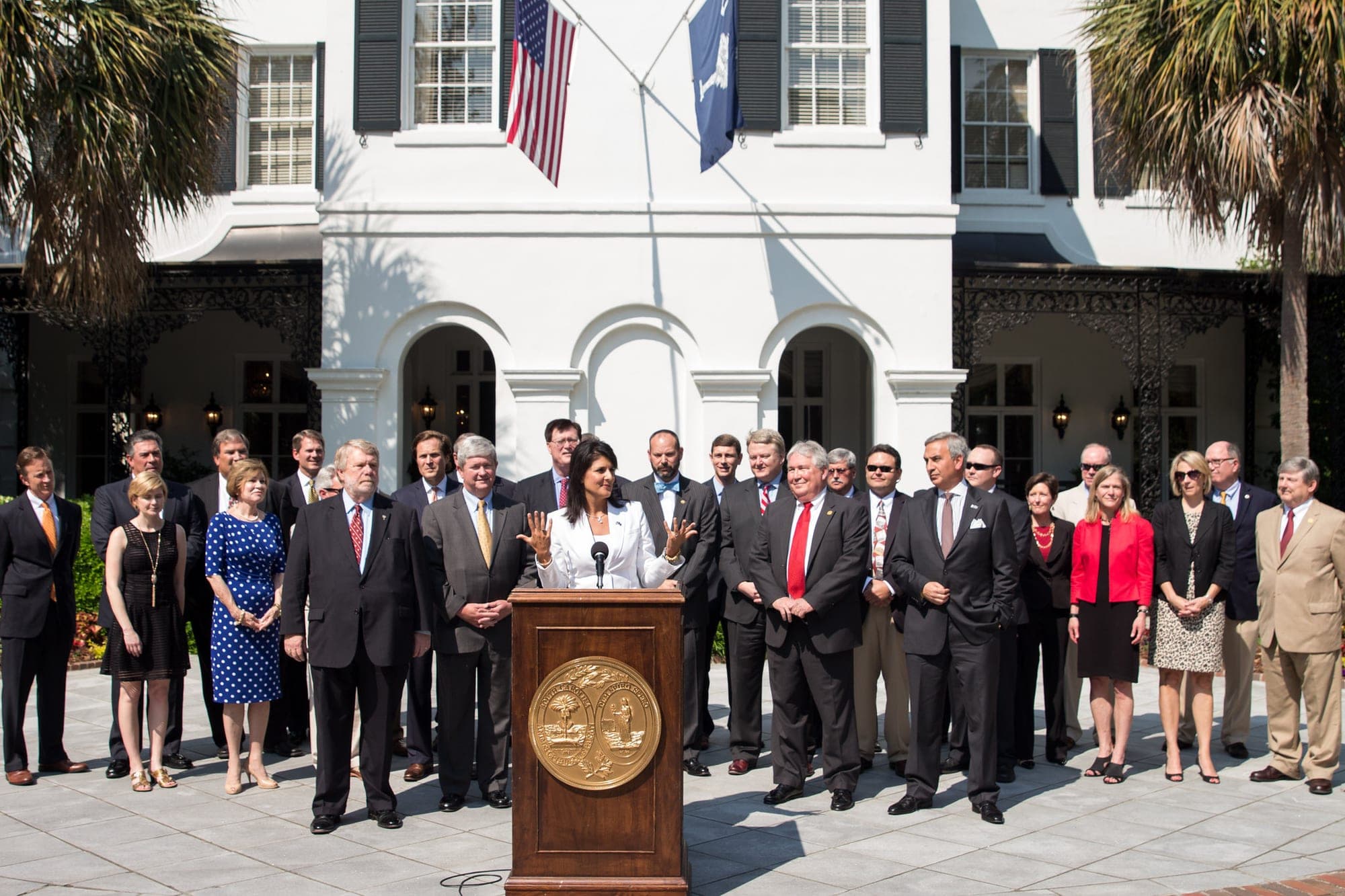
The Swedish automaker announced the decision Monday. Gov. Nikki Haley and state Commerce Department officials marked the news at a press conference at the Governor’s Mansion in Columbia, The Associated Press and Live 5 News reported.
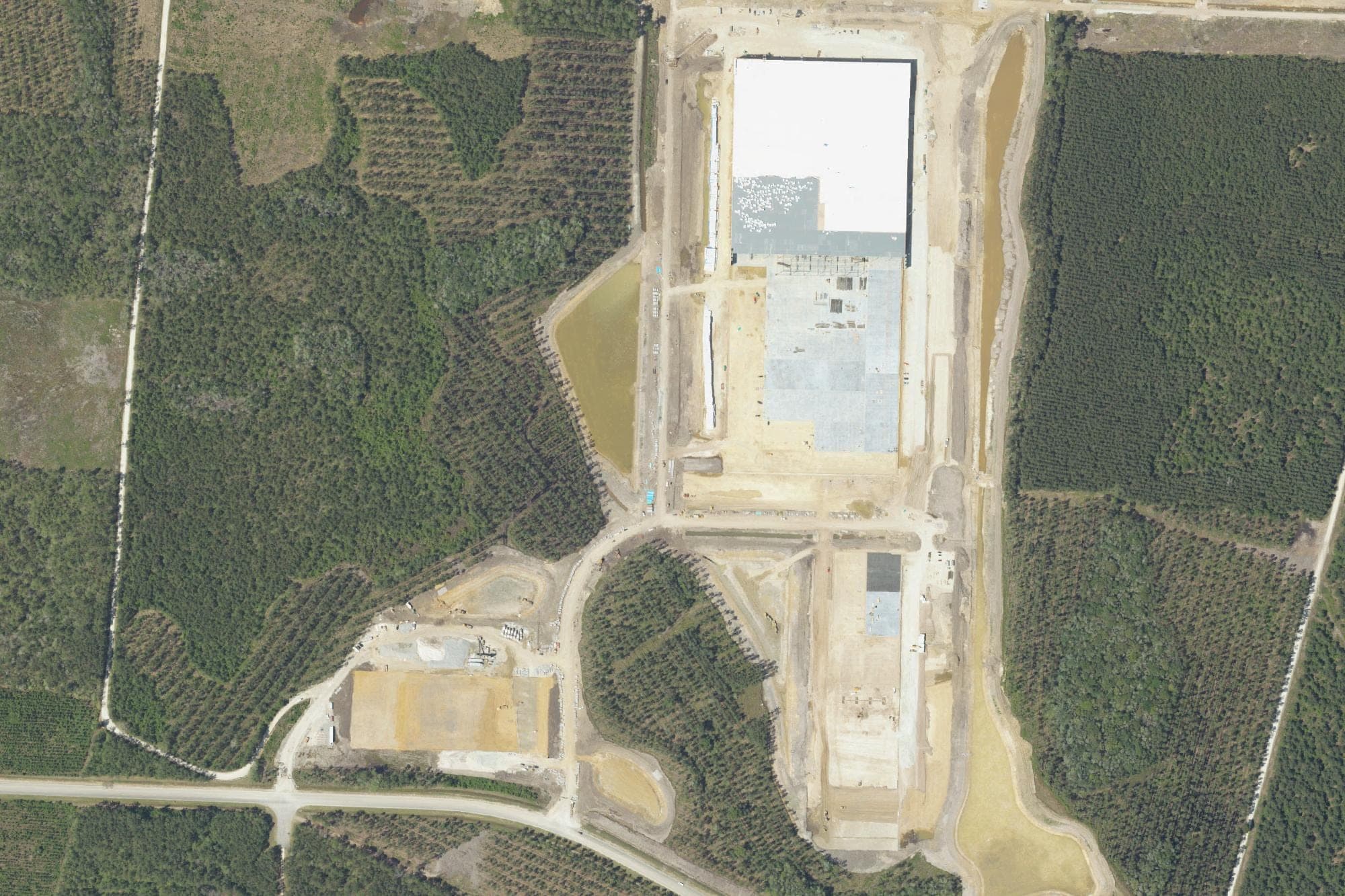
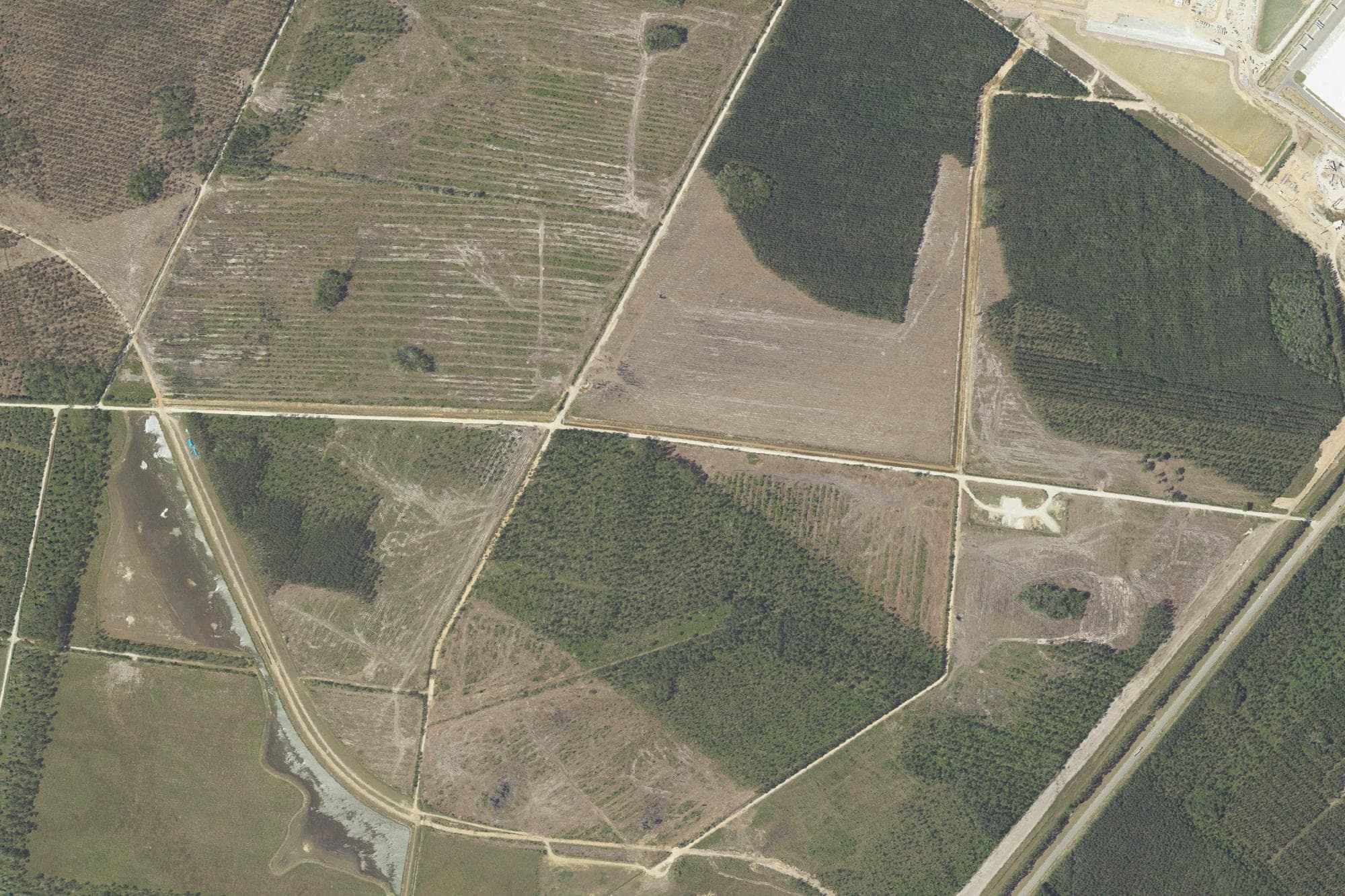
The plant will sit on a portion of the Camp Hall site in northwestern Berkeley County, according to the S.C. Department of Commerce. Officials said the location, near Ridgeville, won out in part because it is close to Interstate 26 and the Port of Charleston, Live 5 News reported.
Construction is to begin in early fall, with the first vehicles expected to roll off the assembly line in 2018. The factory will start with capacity to build about 100,000 cars a year, the Commerce Department said, and it will make latest-generation Volvo models for sale in the United States and for export.
Volvo estimates the plant will employ up to 2,000 people over the next decade and up to 4,000 in the longer term. The state’s announcement put the 4,000 figure at 2030. Volvo has no timetable for reaching 4,000 workers, said Lex Kerssemakers, president and CEO of Volvo Cars of North America, according to the AP.
Why South Carolina
Volvo said it picked the site because of “its easy access to international ports and infrastructure, a well-trained labor force, attractive investment environment and experience in the high tech manufacturing sector.”
Kerssemakers put it more simply. “The reason we came to South Carolina is accessibility. We want to be very close to the sea. We will export those cars,” he told the AP in a phone interview.
Haley credited the state’s workforce. “What I believe won Volvo Cars for South Carolina was our workers. They saw the fact this is a state where we build planes,” she said, according to the AP, which noted she was referring to Boeing, the state’s last big economic development prize.
South Carolina beat four other states for the project, including Georgia, which also made a hard sell for the automaker, the AP reported. Georgia officials said last week that Volvo had decided against building near Savannah.
Mexico was on Volvo’s initial “long list” before the choice was narrowed to South Carolina and Georgia, Volvo Cars CEO Håkan Samuelsson told Reuters. “Logistics was one of the most important factors” for a plant that will import large numbers of parts and export some vehicles, he said. Union representation was “not a relevant factor,” he added.
What the state is putting in
The state plans to borrow about $150 million to build the site and a new interchange on Interstate 26, Commerce Secretary Bobby Hitt said at the press conference, according to the AP.
Volvo will take up about a third of the industrial park and will be its anchor tenant, Hitt said, Live 5 News reported. “We will build an industrial town along Interstate 26 and populate it with 4,000 people over time,” Hitt said.
Berkeley County Supervisor Bill Peagler said the county moved quickly to land the plant. “In less than 100 days, we were able to accomplish what normally takes a year or more to complete,” he said in the state’s announcement.
An economic impact analysis by Frank Hefner of the College of Charleston estimates that the plant’s first 2,000 jobs would lead to more than 8,000 jobs in all, and that the plant would contribute about $4.8 billion a year in total economic output, the Commerce Department said.
ReadySC, a division of the S.C. Technical College System, will help recruit and train workers for the plant, the Commerce Department said.
A bet on the U.S. market
The factory is part of Volvo’s medium-term plan to double global sales, boost market share and lift profitability, the state’s announcement said. Once it opens, Volvo will build cars on three continents. The company now runs two plants in Europe and two in China.
Volvo has imported cars to the United States since 1955. It sold 465,866 cars worldwide in 2014, according to the company.
Its U.S. business has struggled. Volvo’s U.S. sales fell 8% to 56,000 vehicles last year, and the plant is key to a pledge to return to 100,000 U.S. deliveries a year, Reuters reported. The company, which China’s Geely bought from Ford Motor Co. in 2010, faces tough competition in the premium market, according to Reuters.
“This is a clear sign of commitment to the revival of our U.S. business,” Samuelsson said in comments made before the announcement, Reuters reported.
In the state’s announcement, Samuelsson said, “This new global industrial footprint and a complete product renewal forms the foundation for Volvo Car Corporation’s growth and profitability targets.”
Kerssemakers said Volvo was “impressed with the friendliness, work ethic and passion of the people in the Charleston area.”
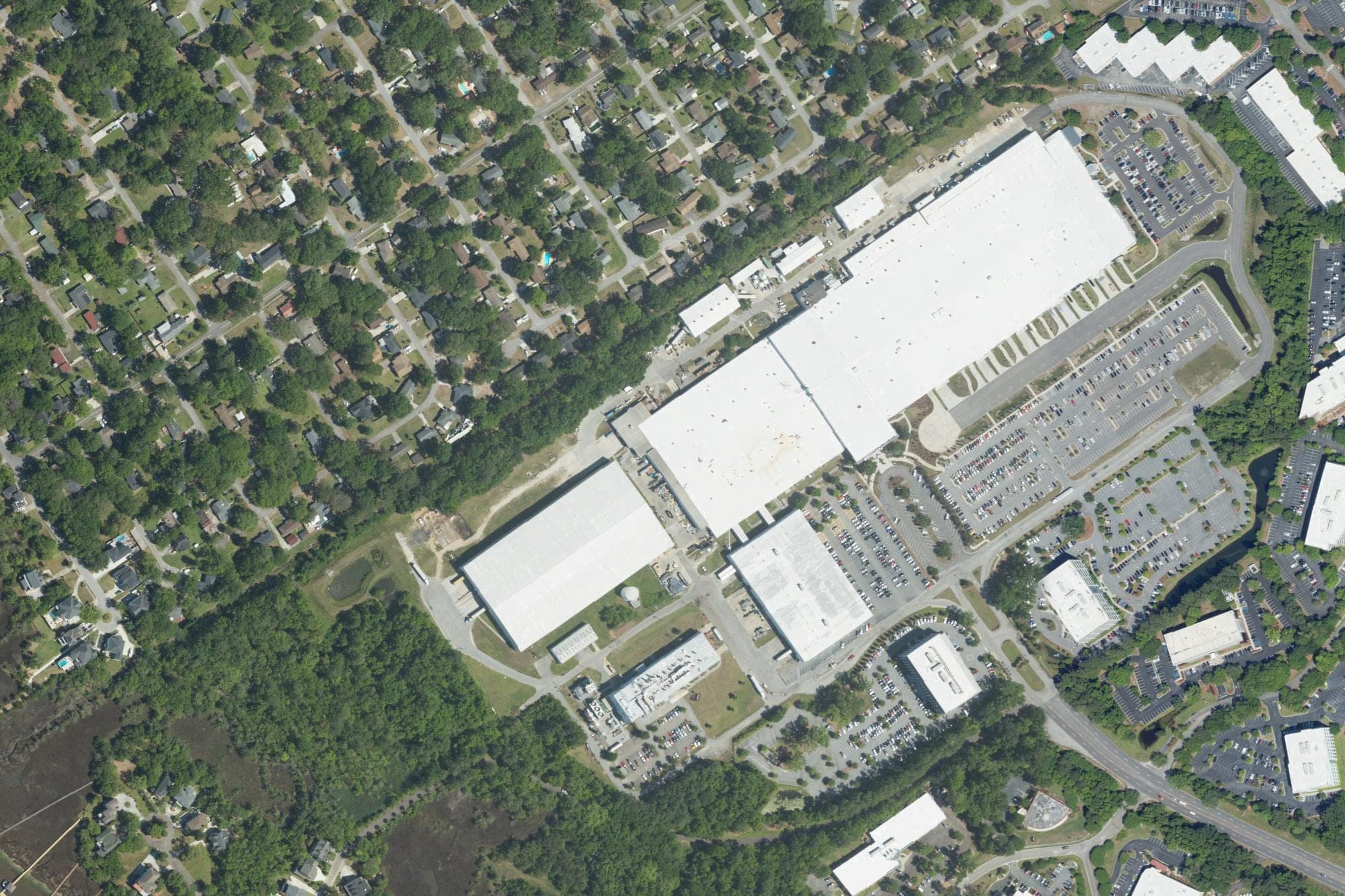
Volvo joins BMW, which opened its first U.S. plant in Greer in 1994, among European automakers in South Carolina. In March, Mercedes-Benz Vans announced it would invest about $500 million in a new plant in the Charleston area to build its Sprinter vans.
Information on hiring will be posted on the readySC website, the Commerce Department said.