Volvo Cars is cutting about 5% of the workforce at its Ridgeville plant, the automaker confirmed, as tariffs and slowing sales squeeze carmakers.
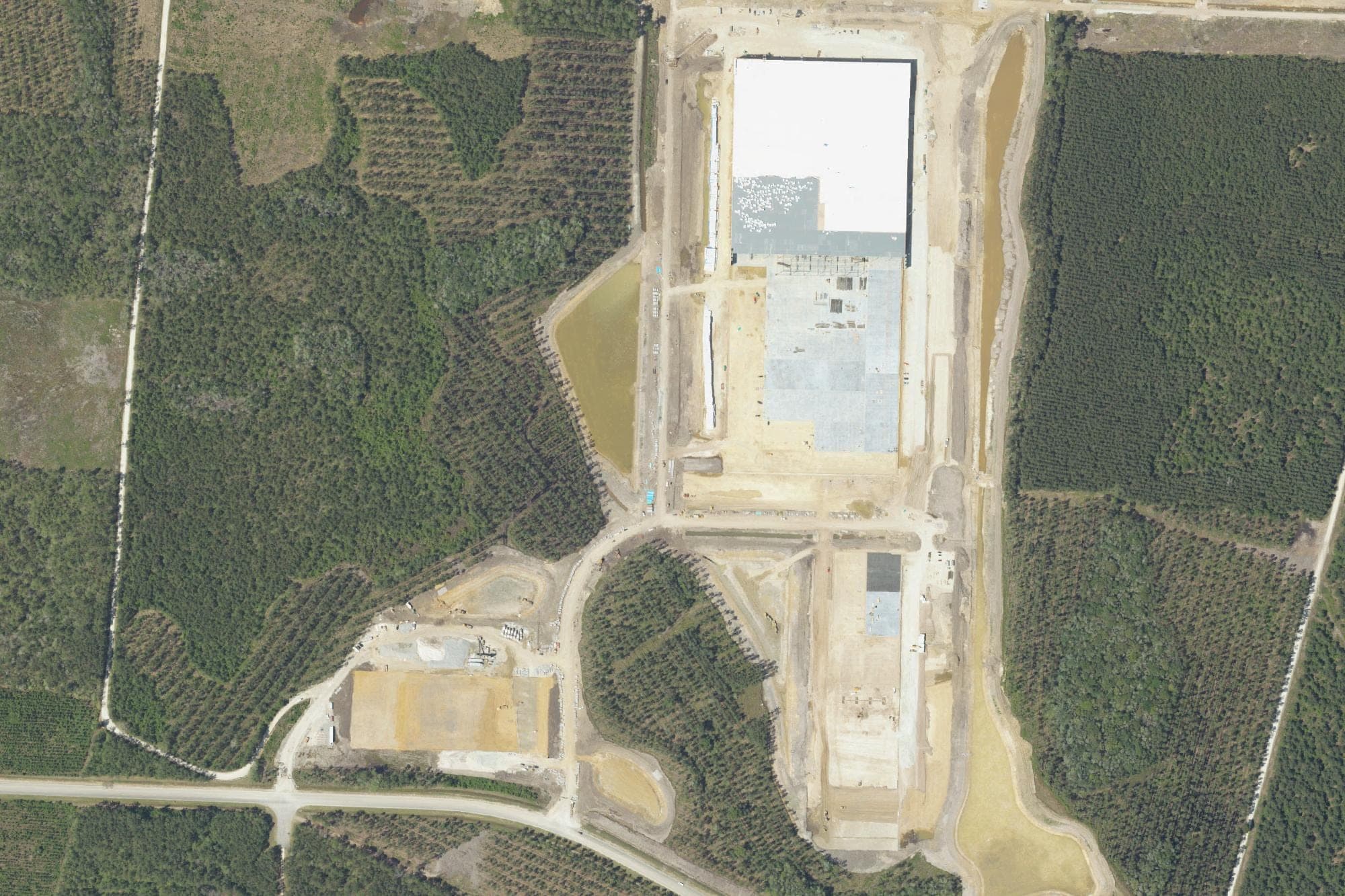
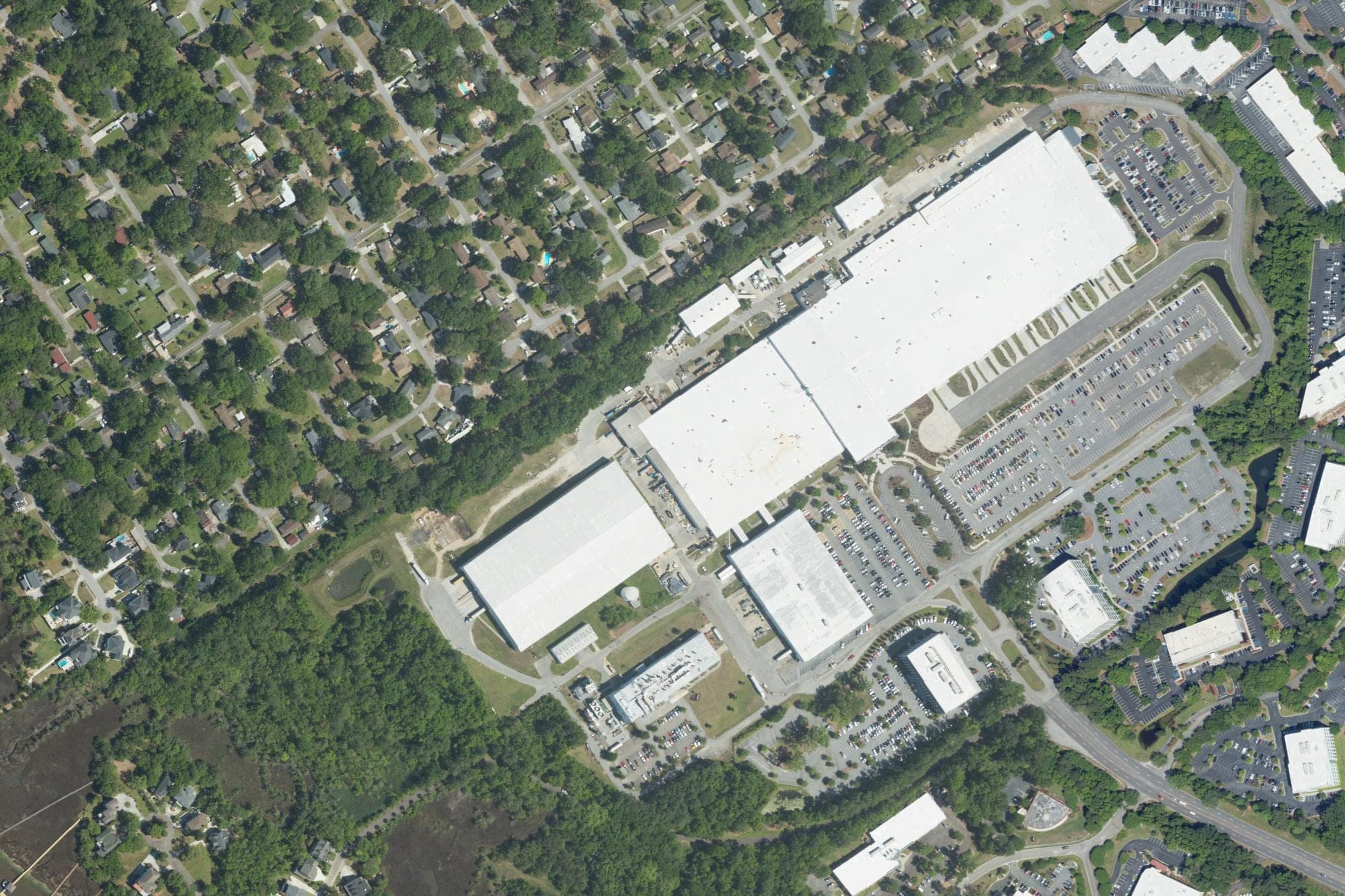
The Berkeley County plant employs about 2,500 people, ABC News 4 reported, and about 125 employees will be affected, according to published reports cited by the Charleston City Paper.
“Volvo Cars is making a small reduction to our workforce and making some production changes at our Charleston plant,” the company said in a statement, according to the City Paper.
A spokesperson described the changes as part of a shift to “regionalization” in response to “challenging macro conditions,” ABC News 4 reported. “Our aim is to support impacted employees, protect as many jobs as possible and secure Volvo Cars’ long-term future in the US, balancing our investments with the need to reduce costs and improve efficiency,” the statement continued.
The cuts will reach both office and assembly jobs at the plant, according to ABC News 4. Volvo said it remains committed to creating 4,000 jobs in South Carolina and plans to “refill open positions” as it adjusts production plans to the economic environment, the station reported. Volvo confirmed the cuts Monday.
A company in cost-cutting mode
The layoffs follow a sweeping cost plan announced a week ago. On April 29, Volvo Cars said it would cut 18 billion Swedish kronor, about $1.87 billion, in costs after its first-quarter operating profit fell to 1.9 billion kronor from 4.7 billion a year earlier, CNBC reported. The plan includes reductions in investments and redundancies at operations around the world, the company said, though it did not say how many jobs would go.
Volvo also stopped giving financial guidance for 2025 and 2026, citing tariff pressure on the auto industry, according to CNBC.
“There is a rather heavy headwind on the market,” CEO Håkan Samuelsson told CNBC. He pointed to falling volume, price competition from new players in the electric segment and “the turbulence now with additional tariffs.”
Samuelsson told Reuters the company needs to be more efficient in its white-collar areas and slim down the organization, which will lead to a reduction of personnel, ABC News 4 reported.
Samuelsson, who led Volvo Cars from 2012 to 2022, including when it chose South Carolina for its first U.S. plant, returned as CEO on April 1 for a two-year term after Jim Rowan stepped down, Carscoops reported.
Tariffs and the plant
President Donald Trump imposed 25% tariffs on cars imported to the United States in April, and the White House said tariffs on some auto parts would take effect no later than May 3, CNBC reported. Last week, Trump signed executive orders easing some of the auto tariffs, ABC News 4 reported.
Volvo is one of the European automakers most exposed to U.S. tariffs because most of the cars it sells in America are imported from Europe, ABC News 4 reported.
That makes the Ridgeville plant more important. “We are looking into utilizing our Charleston factory better. So, we need another car into that factory and that has to be a best-seller for the U.S. market. It’s something that we otherwise need to import and pay tariffs for,” Samuelsson told CNBC.
“We plan to bolster output at our South Carolina plant in the future, including adding new models to increase local production,” a Volvo spokesperson said, according to ABC News 4.
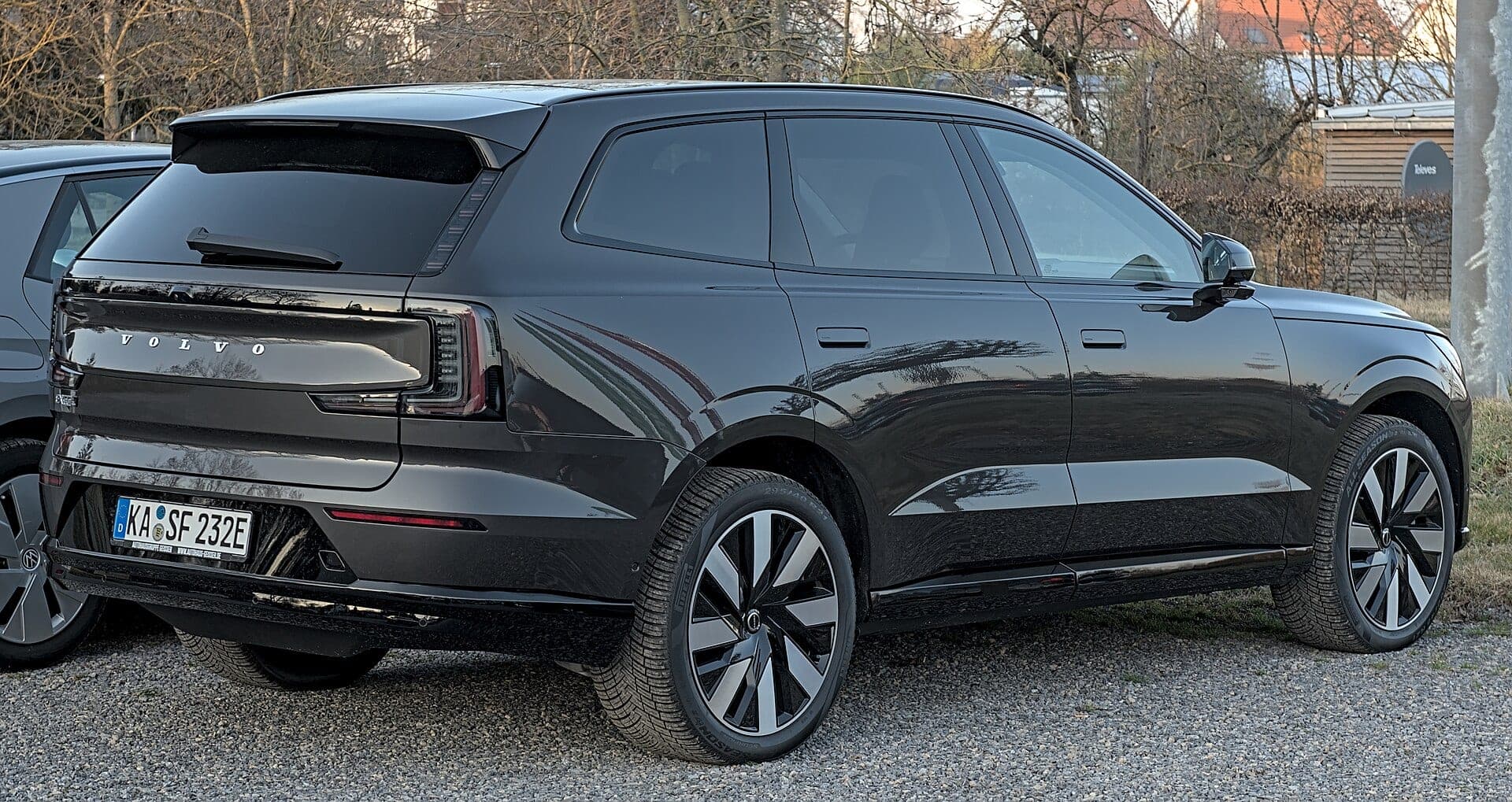
The plant builds two electric SUVs. Volvo started EX90 production there in June 2024, and Polestar began building its Polestar 3 on the same platform in August 2024, The Post and Courier reported. Volvo ended production of the S60 sedan, the plant’s first model, at the end of June 2024 to focus on the EX90, the newspaper reported.
Volvo has said the plant can build up to 150,000 cars a year. The Post and Courier has put Volvo’s investment in the campus at $1.2 billion.
The local stakes
“The automotive industry has an extraordinary impact on South Carolina’s economy, and in fact [it] has been one of the primary drivers of South Carolina’s growth over the last 15 years,” Joseph Von Nessen, a research economist at the Darla Moore School of Business, told ABC News 4.
Tariffs carry costs up front, he said. “But the potential benefits often come down the road. Targeted tariffs are typically better than blanket tariffs that apply to everyone.”
Volvo broke ground on the plant in September 2015. It is the company’s only U.S. factory.