Volvo Cars says its only U.S. factory matters more than ever. The next model headed there is arriving a little later than planned.
The Swedish carmaker reported a third-quarter operating loss on Oct. 23 and said it would cut about 2,500 jobs worldwide, 2,000 of them in Sweden. In the same report, Volvo said it will “localise XC60 production in Charleston” in the first quarter of 2027. Volvo refers to its Ridgeville plant in Berkeley County as its Charleston plant.
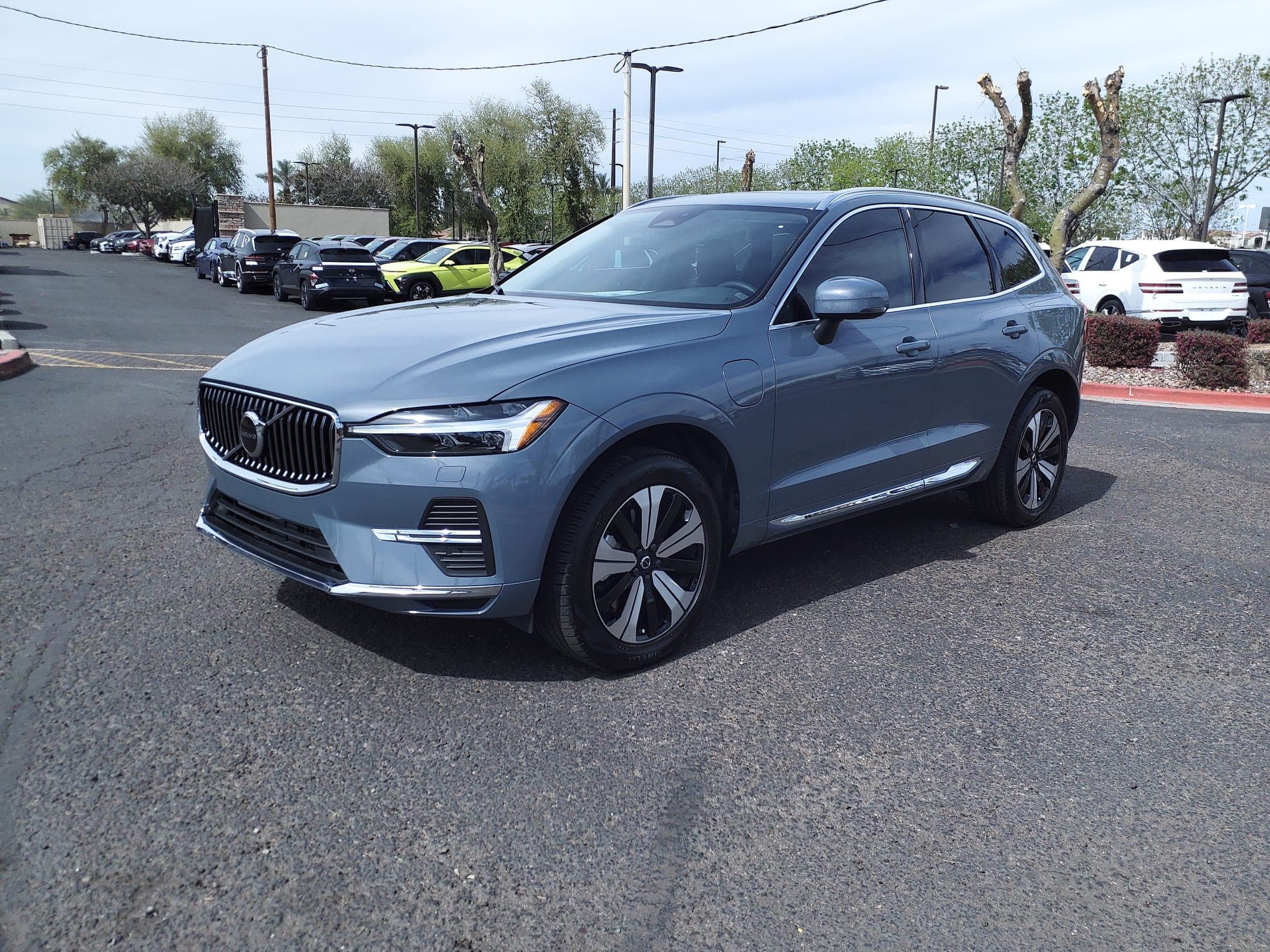
Volvo announced in July 2025 that it would add the XC60, its best-selling model, to the Ridgeville line. Production was originally planned to begin in late 2026, The Post and Courier reported.
On a webcast with investors, an HSBC analyst asked why the start had moved to the first quarter of 2027 from the fourth quarter of 2026, The Post and Courier reported. CEO Håkan Samuelsson played it down.
“When you measure it in quarters it sounds more dramatic than it is, I would say,” he said, according to the newspaper. He said Volvo had planned to start before Christmas and now expected to start sometime in January, calling the change “normal fine-tuning in the work being done there.”
A tough quarter
Volvo reported an operating loss of 5.6 billion Swedish kronor for the quarter, compared with a profit of 6.4 billion kronor a year earlier. Excluding joint ventures, associates and items it does not count as part of regular operations, the loss was 3.7 billion kronor. Revenue fell to 66.9 billion kronor from 86.4 billion.
“The third quarter of 2026 was very disappointing and reflects a year that has become far more challenging than originally anticipated,” Samuelsson wrote in the report.
Volvo blamed China, where its revenue fell almost 50%, and the United States, where it pointed to the continued effects of tariffs and the end of consumer incentives for electrified cars. Both put heavy pressure on the margins of imported electrified cars, the report said.
“The weak performance in the US and China means that half our business was not contributing to profitability,” Samuelsson wrote.
The quarter also took a 1.1 billion kronor hit from revaluing U.S. fuel economy credits after what Volvo called a retroactive change in emissions legislation.
Volvo’s retail sales in the Americas fell 14% from a year earlier. Across the U.S. market, sales of battery-electric cars fell 40% and plug-in hybrid sales fell 38%, according to the report. Volvo said it has divided the U.S. market into four regions to bring marketing and sales closer to customers.
Volvo’s shares fell 24% on Oct. 23, The Post and Courier reported.
Where the cuts fall
Volvo said the job cuts will come from ending consultant contracts, attrition and targeted exit packages. Its report did not say where the roughly 500 jobs outside Sweden are.
The report also said Volvo is “adapting our blue-collar workforce to current volumes by leveraging existing flexibility” and will concentrate production on five dedicated Volvo plants worldwide. It said Volvo is exploring multi-brand assembly with Geely at its plants in Chengdu, China, and Ghent, Belgium. Volvo is majority owned by China’s Zhejiang Geely Holding Group, according to the report.
The Ridgeville plant has been through cuts before. In May 2025, Volvo confirmed what it called “a small reduction” to the plant’s workforce, which published reports put at about 125 jobs, the Charleston City Paper reported.
‘More important than ever’
Volvo said Oct. 23 that it “remains fully committed to our plant in South Carolina,” The Post and Courier reported.
“With our increased focus on regionalization and goal of building where we sell, the Volvo Cars Charleston plant is more important than ever with the aim of reaching full utilization in the coming years,” a spokesperson said in a written statement, according to the newspaper.
The plant was designed to build about 150,000 cars a year but has not come close since production began more than eight years ago, the newspaper reported. The XC60 will join the EX90 electric SUV on the line.
Asked on the webcast whether Volvo bore some responsibility for its troubles, Samuelsson said the company could have moved sooner.
“Maybe we should have also realized earlier that tariffs would come, so we need to localize more in the U.S.,” he said, according to The Post and Courier.
He called the XC60 “a good start” and said “the really big move will be later … this decade when we bring in a really all-new car, absolutely attractive for the U.S. market.” Volvo’s report says it will build a second all-new car with several powertrain options in the United States by the end of the decade.
Volvo is also speeding up long-range plug-in hybrid versions of the XC90 and XC60, which it unveiled Sept. 15. European deliveries start this year and U.S. deliveries shortly after, the company said.
Samuelsson left open more job cuts and cost reductions next year “if this does not work,” the newspaper reported.
“I really hope we can avoid that,” he said.