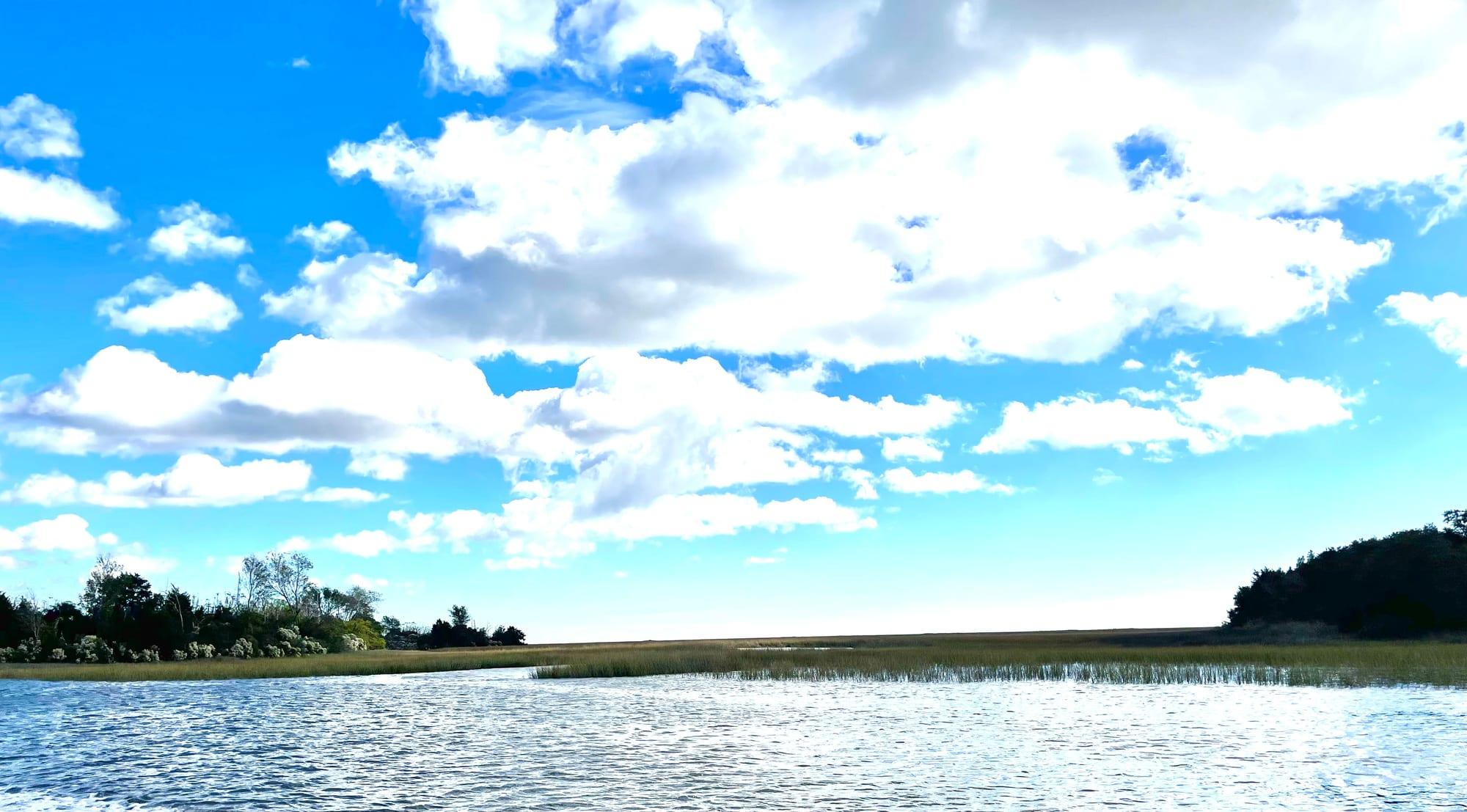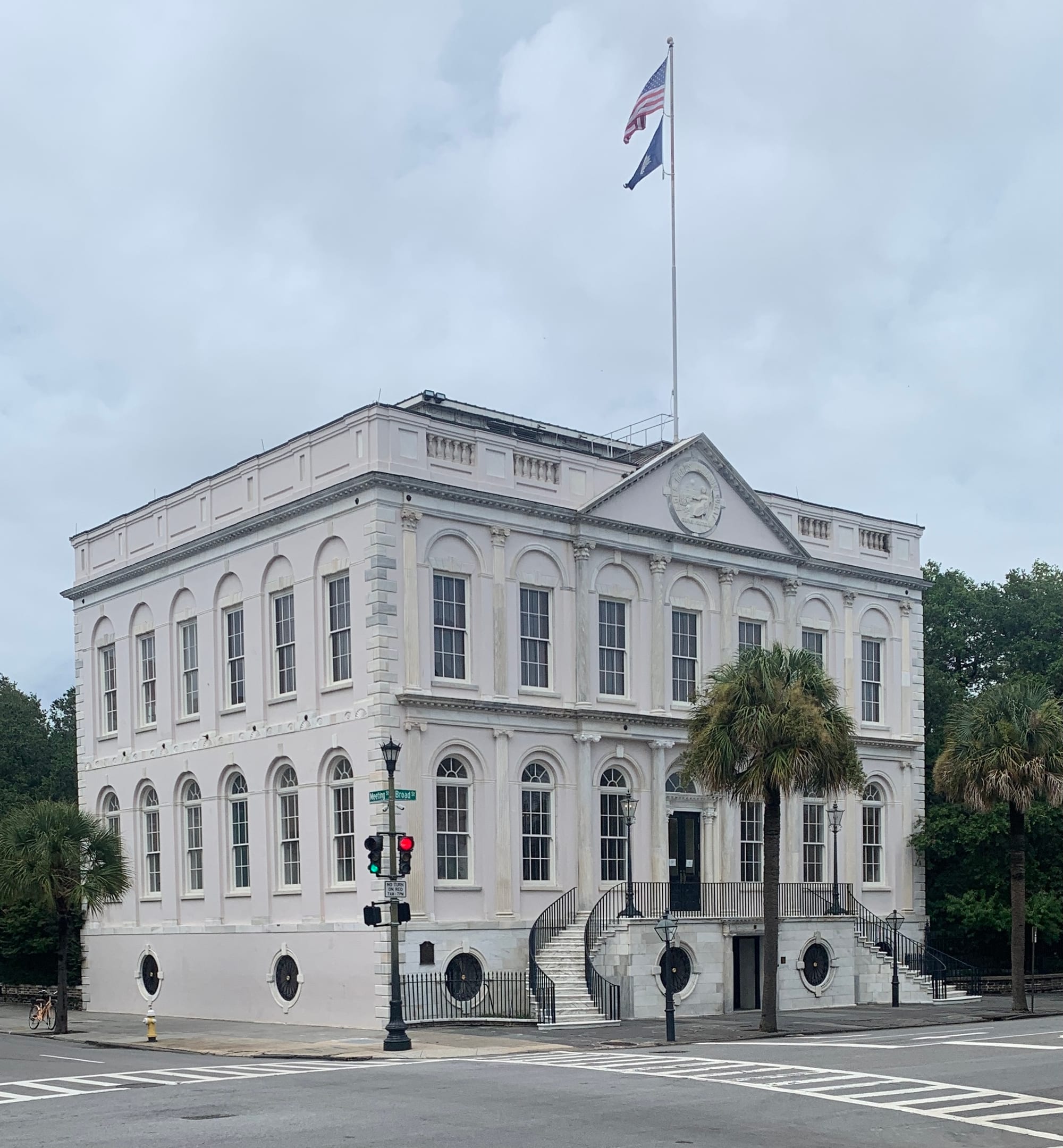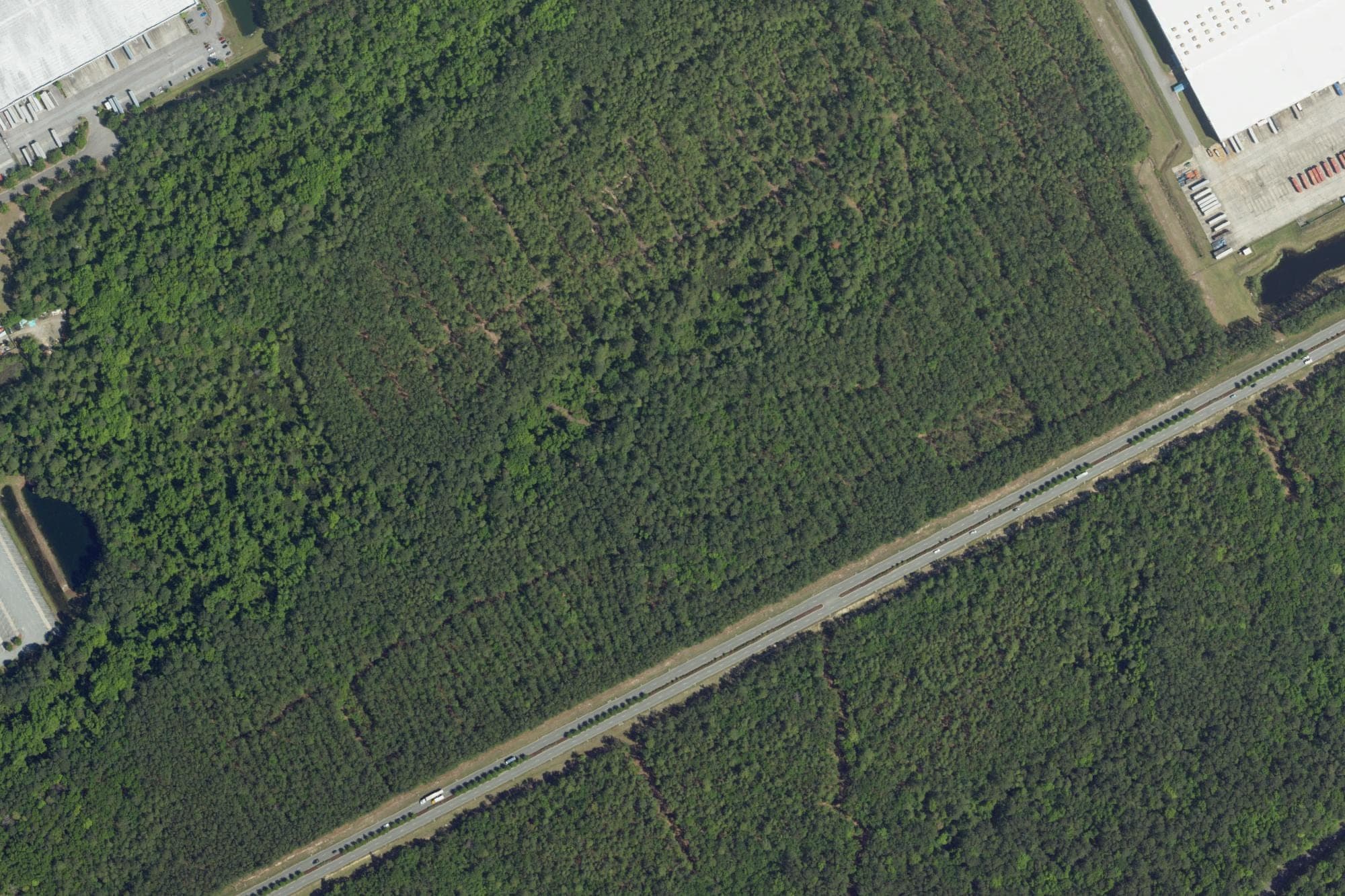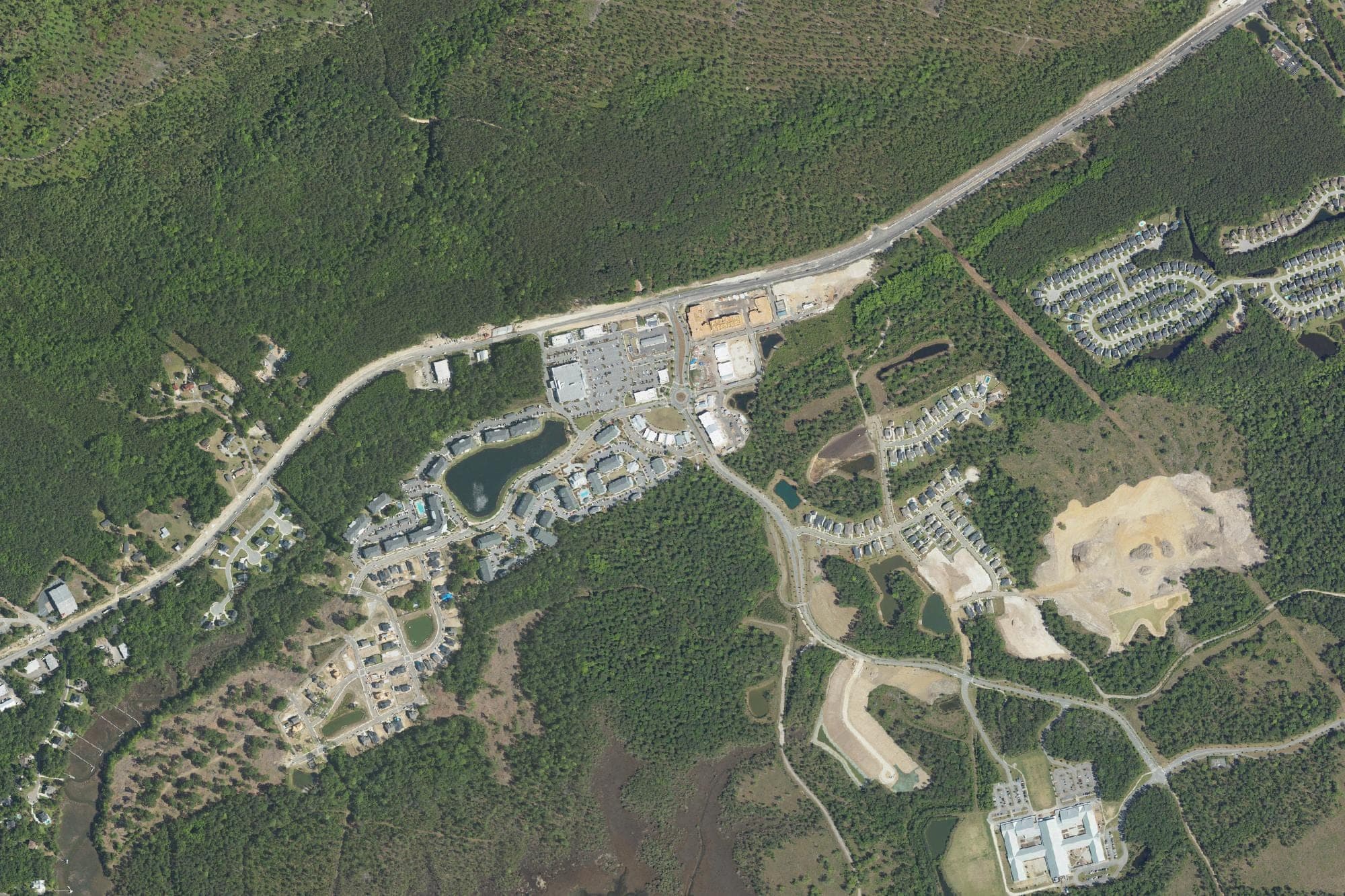
A federal appeals court has upheld the wetlands permit behind Point Hope, the master-planned community taking shape on more than 9,000 acres of the Cainhoy peninsula.
In a unanimous published opinion on Oct. 23, a three-judge panel of the 4th U.S. Circuit Court of Appeals affirmed a lower court ruling in favor of the U.S. Army Corps of Engineers. The panel rejected arguments from the South Carolina Coastal Conservation League, Charleston Waterkeeper and the South Carolina Wildlife Federation that the Corps should have weighed designs that filled fewer wetlands.
“Because we conclude the Corps conducted a thorough and reasoned analysis and did not act in an arbitrary or capricious manner, we affirm the district court,” Judge Stephanie Thacker wrote. Judges G. Steven Agee and Nicole Berner joined the opinion.
“This decision brings to a close a lengthy legal process and affirms the permit issued for the project,” Brian Keels, president of developer Point Hope Partners, said, according to The Post and Courier.
What the permit allows
The property, called Cainhoy Plantation in the case, covers 9,076 acres in Berkeley County, according to the opinion. Its owners, Tract 1 Timber, Seven Sticks, Tract 7 and Cainhoy Land and Timber, have used it as a pine timber farm for 90 years, the court said. Charleston annexed the land in 1996.
The plan develops 3,906 acres, including 181.5 of the property’s more than 2,500 acres of wetlands. The remaining land is to be placed in conservation easements or restrictive covenants, the opinion said.
The owners began applying for permits in 2012. An early design would have filled 1,820.1 acres of wetlands. Work with the Corps cut that to 181.5 acres by 2022, a reduction of about 90%, the court noted. The Corps issued the Clean Water Act permit in May 2022.
The project is an entitled development the city approved in 2014, The Post and Courier reported. Construction has continued while the case moved through the courts, the newspaper reported.
Why the court sided with the Corps
Under the Clean Water Act, the Corps can’t issue a permit if a practicable alternative would do less harm to wetlands. The Corps reviewed nine off-site alternatives, four on-site designs, a no-action option and four versions of a plan the conservation groups proposed, prepared by the planning firm Dover, Kohl & Partners, according to the opinion.
None of the off-site tracts met the project’s criteria, which included at least 7,500 acres within 50 miles of Charleston, the court said. The groups conceded that no plausible off-site alternative existed. The four on-site designs would have filled 381 to 1,820 acres of wetlands.
The Dover plan would have filled at most 13.2 acres of wetlands. But it developed only about 1,000 acres, focused on multifamily housing rather than single-family homes and left about 8,000 acres open to later development with no conservation protections, the court said. The Corps logically concluded that leaving that land open could lead to more wetland losses, the panel found.
How the case got here
The groups sued in 2022. U.S. District Judge Richard Gergel denied their request to halt construction in September 2024, and the 4th Circuit upheld that denial in January 2025, The Daniel Island News reported. Gergel later ruled for the Corps and the landowners, and the groups appealed.
“We are disappointed at this outcome and evaluating options,” Catherine Wannamaker, a senior attorney at the Southern Environmental Law Center, said in a statement reported by The Post and Courier. The center represents the groups. The Corps’ Charleston District said it was reviewing the decision, the newspaper reported.
Other state permits for the project are pending, Wannamaker said in the statement. The state is reviewing a coastal zone consistency certification for part of the development, and that review could lead to a public hearing late this year, WCSC Live 5 reported.
Opponents are also looking to City Hall. “There is a provision under state law, which enables the city to go back into the development agreement, to make it more protective if circumstances on the ground have changed,” Chris DeScherer, who leads the law center’s South Carolina office, told the station. The groups are circulating a petition asking residents to press city officials, Live 5 reported. Torrey Sanders, conservation program manager for the Coastal Conservation League, told the station that the city’s rewrite of its zoning code may also open the door to low-elevation overlay zones in Cainhoy.
The city’s own land deal on Clements Ferry Road
Three days after the ruling, a separate Cainhoy land purchase was on the agenda for Charleston’s Committee on Real Estate. The Oct. 26 agenda sought authorization for Mayor William Cogswell to sign an agreement to buy 28.86 acres on Clements Ferry Road for $8 million.
The sellers are McAlister-Togant Clements Ferry LLC, Bennett Cainhoy I LLC and Bennett Cainhoy II LLC, according to the agenda. The draft agreement in the meeting packet gives the city 120 days to examine the property and calls for $60,000 in earnest money.
In April, a city spokesperson told The Daniel Island News that Charleston was pursuing a tract of more than 30 acres around 2080 Clements Ferry Road for public safety and public services. The plans included a new Fire Station 22 that would also be a joint training facility with the Charleston Police Department and a permanent home for the police department’s Team 5, the newspaper reported.