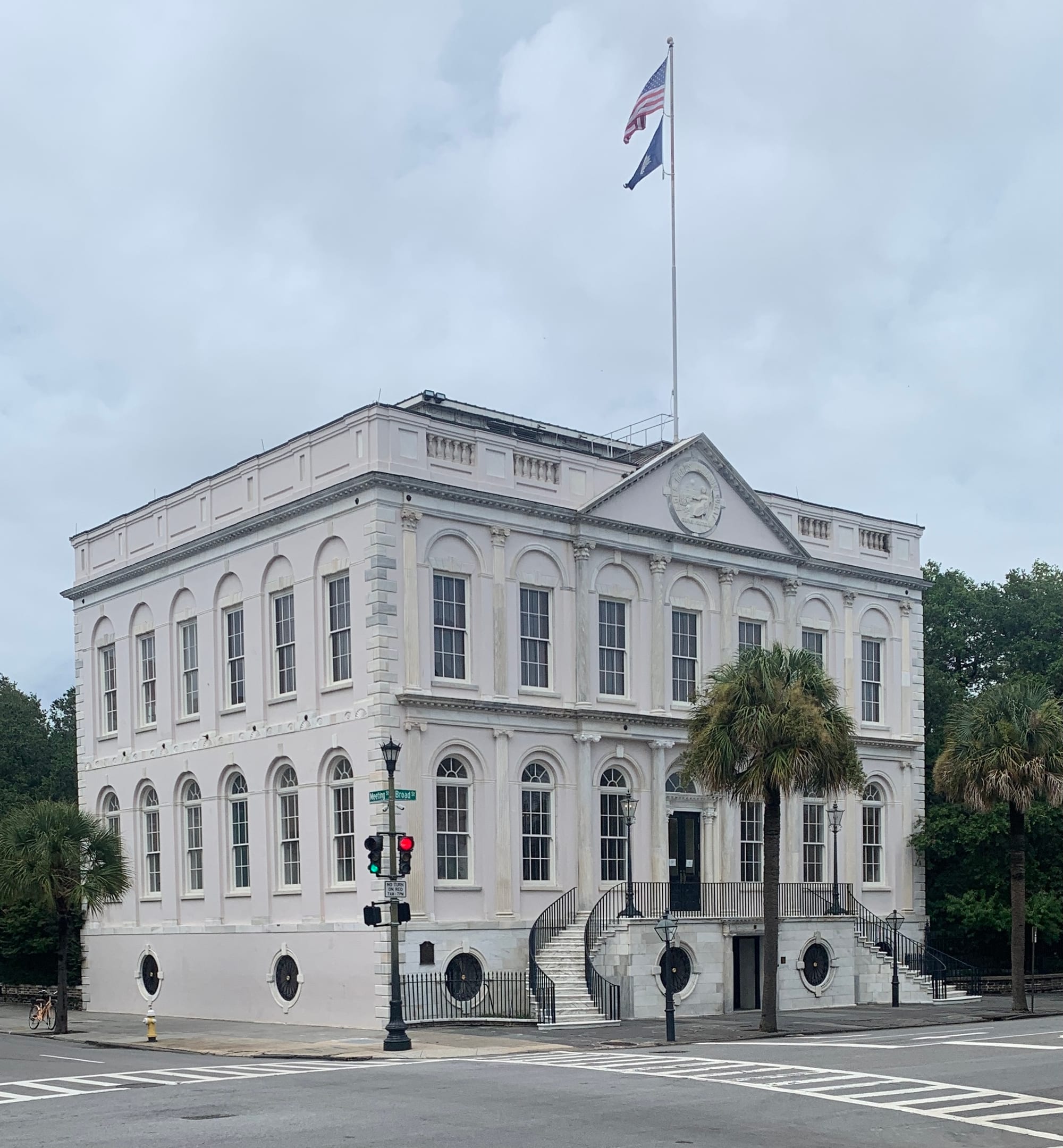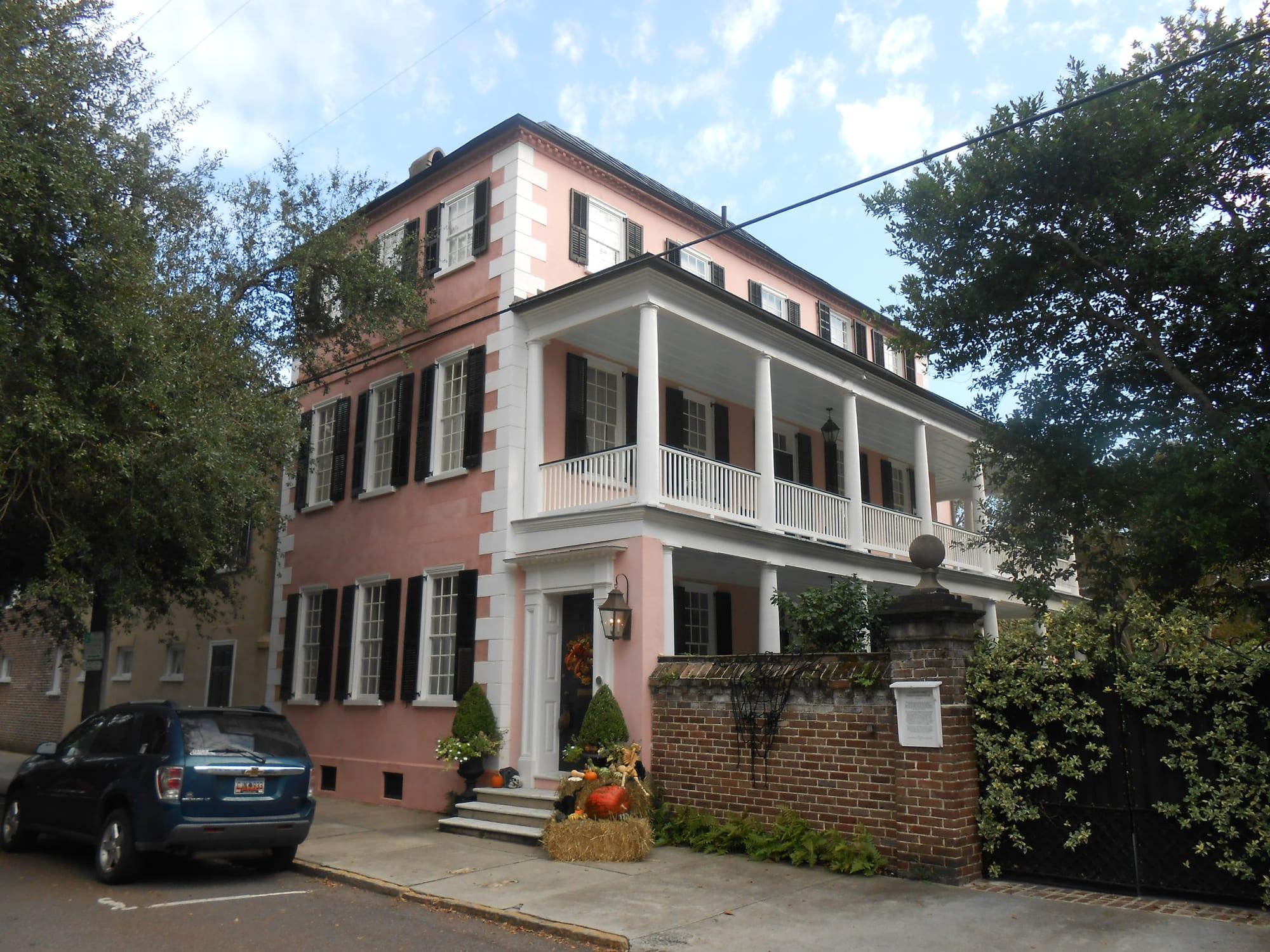
Charleston homeowners will soon be able to rent to tourists legally, as long as they live in the home and follow new limits.
City Council gave second and third reading Tuesday night to an ordinance setting new regulations for short-term rentals and bed-and-breakfasts, and ratified it as Ordinance 2018-043, according to the council’s minutes. Councilmembers James Lewis Jr. and Robert Mitchell voted no.
“Right now, it’s illegal in the City of Charleston, other than Cannonborough-Elliotborough, to operate an STR,” Mayor John Tecklenburg said, according to the minutes. “It’s illegal now, and what we’re doing, with restrictions, is allowing limited STRs, so that folks who live in their own home have the opportunity to get some extra income.”
The old rules were difficult to enforce, Tecklenburg said, and the city had spent a year and a half studying the issue.
What the rules require
A short-term rental can host no more than four people, Planning Director Jacob Lindsey told council. Each must also provide off-street parking.
“The STR shall provide one off-street parking space on the subject property, in addition to providing on the subject property required off-street parking for existing uses on the property,” Lindsey said, reading from the ordinance.
The ordinance sorts the city into three areas with different rules. On a motion by Councilmember Mike Seekings, council renamed them categories instead of classes. Frances Cantwell, one of the city’s attorneys, said Category 1 is primarily the Old and Historic District, the part of the city most affected by tourism, walking tours and carriages. Lewis noted that Categories 1 and 2 are both on the peninsula.
Council struck a requirement that Category 3 rentals be in buildings at least 50 years old, Councilmember Peter Shahid said. He asked that a review of the ordinance consider restoring that rule for parts of West Ashley.
Cantwell said the ordinance “is designed to help people stay in their homes.”
Part of the debate turned on property tax status. South Carolina taxes a homeowner’s primary residence at a 4% assessment ratio, and Karen Keys, general manager of Turnkey Vacation Rentals, asked council to consider allowing rentals in homes taxed at 6%. A home’s tax status has no bearing on whether someone can run a rental responsibly, she said, according to the minutes.
Kris King of the Preservation Society told council its constituents wanted reasonable regulations and urged members to pass the ordinance that night.
Enforcement worries
Lewis questioned how the city would track rentals. “We’re going to approve short term rentals. We don’t know how we’re going to enforce it,” he said.
Dan Riccio, whose Livability department will enforce the rules, said a request for proposals for tracking software was almost done and that three enforcement officers had been hired. Tecklenburg said it would take about three months to set up registration before enforcement could begin, and that the council would review the ordinance after nine months.
Councilmember Keith Waring said the ordinance was moving in the right direction but that the city needed legal help to go after the “1,500 or 2,000 or whatever, pick your number, that are illegally operating out there.” He suggested hiring a part-time attorney.
Mitchell said he wanted enforcement in place first. “Most of the community that I represent do not want it,” he said.
Seekings, who moved the ordinance forward, said the city needed to put the framework in place and test it. “We’ve got to let Dan go out there and prove to us through his 90-day procurement process and then going forward, that he can enforce the framework of an ordinance that has been now worked on for two years,” he said.
Exceptions to come
After the vote, council unanimously directed the Planning Department to draft special exceptions to the ordinance, working with Councilmembers Carol Jackson, Mitchell, Seekings and Waring. Members suggested exceptions could cover apartments above commercial businesses and some whole-house rentals.
Tecklenburg said the goal was to bring a special exception proposal back to council by its second meeting in May.