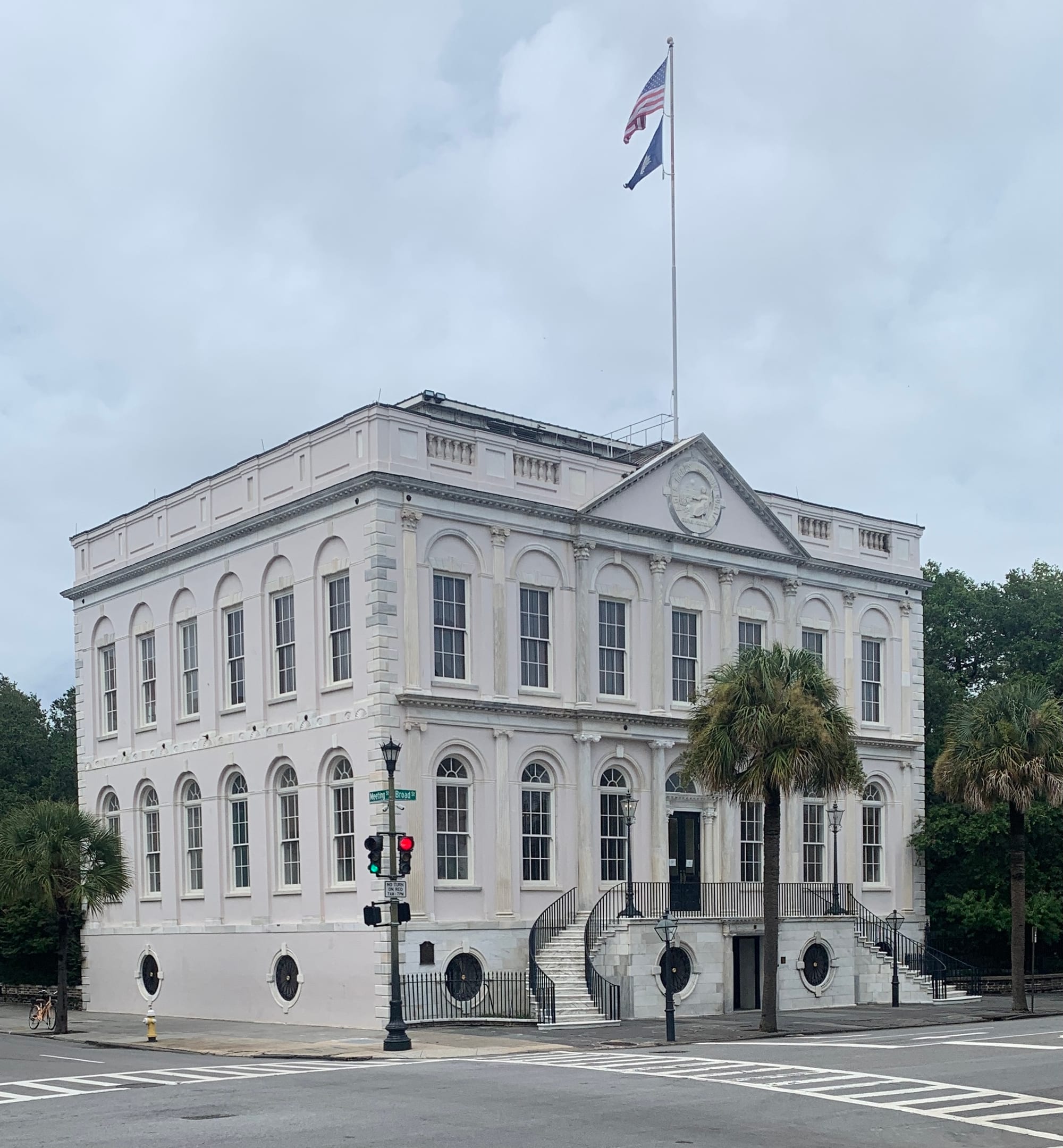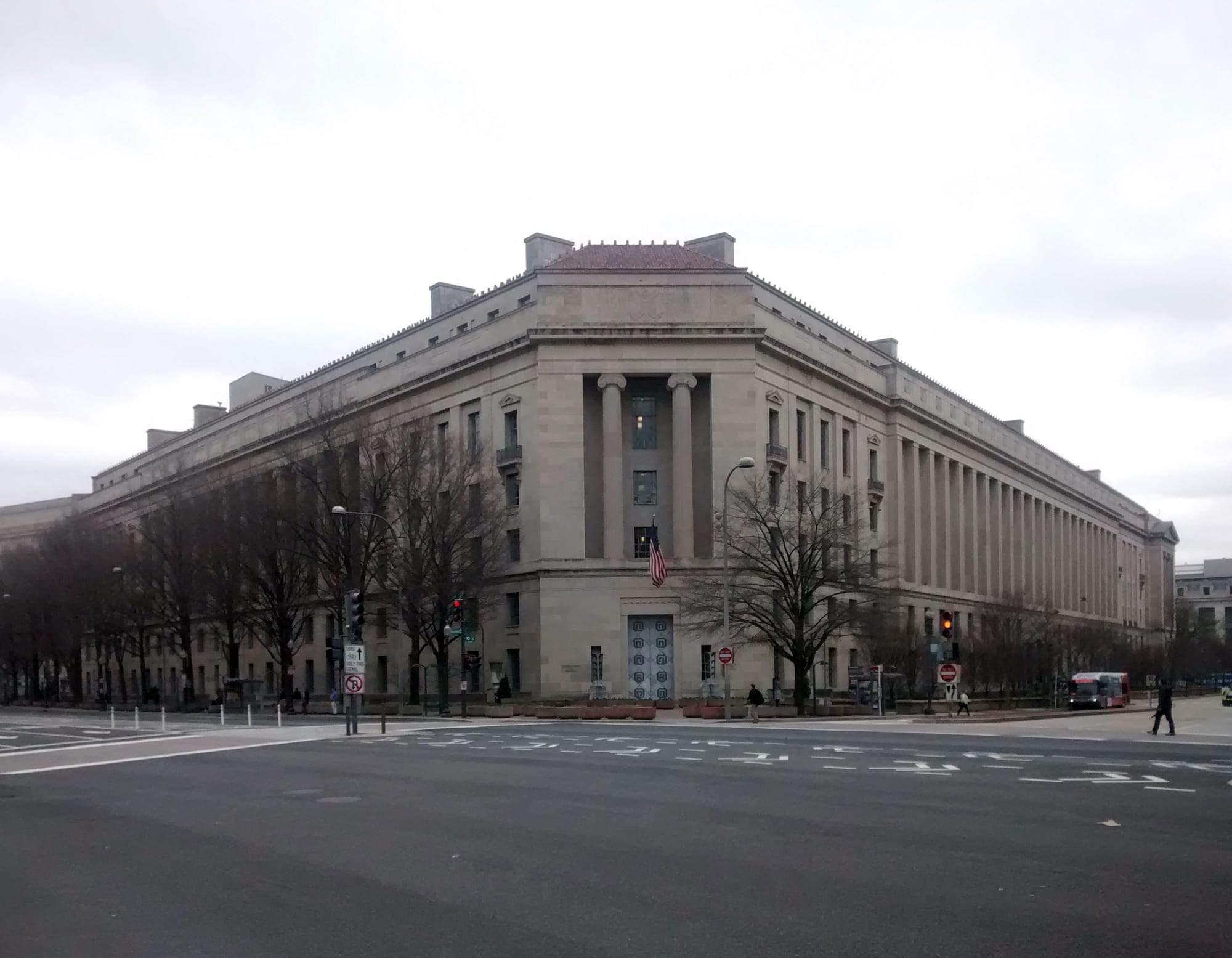
Greystar, the Charleston-based property manager that the Justice Department calls the largest landlord in the United States, has agreed to settle the department’s antitrust claims over its use of RealPage’s rent-pricing software.
The department’s Antitrust Division filed a proposed settlement today in federal court in the Middle District of North Carolina. Greystar said it has also reached an agreement in principle to settle a lawsuit brought by a nationwide class of renters alleging similar claims.
Greystar said neither settlement includes any admission of wrongdoing.
“Greystar firmly believes that its use of RealPage’s revenue management software complies with all applicable laws,” the company said in a statement.
What the government alleged
The Justice Department and several states sued RealPage, a Texas software company, on Aug. 23, 2024. On Jan. 7, they amended the complaint to add Greystar Management Services LLC and other property managers as defendants, according to a competitive impact statement the department filed with the settlement. The other landlord defendants named in the amended complaint are Camden Property Trust, Cortland Management, Cushman & Wakefield, LivCor, Pinnacle Property Management Services and Willow Bridge Property Co.
The states joining the case are North Carolina, California, Colorado, Connecticut, Illinois, Massachusetts, Minnesota, Oregon, Tennessee and Washington.
Greystar manages almost 950,000 rental units across the country, the department said. It licenses a RealPage product called AI Revenue Management, which landlords use to price apartments, according to the filing.
The government alleges that Greystar and other landlords shared competitively sensitive data to generate pricing recommendations through RealPage’s algorithms, which included rules that aligned competitors’ prices. It also alleges that Greystar and other landlords discussed pricing strategies, rents and settings for RealPage’s software directly with each other.
“Whether in a smoke-filled room or through an algorithm, competitors cannot share competitively sensitive information or align prices to the detriment of American consumers,” said Assistant Attorney General Abigail Slater, who leads the Antitrust Division.
“American greatness has always depended on free-market competition, and nowhere is competition more important than in making housing affordable again,” said Attorney General Pamela Bondi.
What Greystar agreed to
Under the proposed consent decree, Greystar cannot license or use any revenue management product that uses competitively sensitive data from other property managers to set prices or generate pricing recommendations, or one that pools or combines data from different property owners, according to the competitive impact statement. It cannot share competitively sensitive information with competitors, and it cannot attend or take part in RealPage-hosted meetings of competing landlords, the department said.
Greystar must also adopt a written antitrust compliance policy, designate an antitrust compliance officer to enforce it and oversee annual employee training, and let the government inspect its documents and interview its employees.
If Greystar uses a third-party pricing algorithm that has not been certified under the decree’s terms, it must accept a court-appointed monitor. It will also get a monitor if the court finds it violated the decree.
Greystar must also cooperate with the government’s monopolization claims against RealPage. Those claims are aimed at RealPage alone and remain pending.
The decree would last five years, though the government could end it after two, according to the proposed judgment.
The settlement will be published in the Federal Register, followed by a 60-day public comment period. After that, the court may enter the final judgment if it finds the settlement is in the public interest.
Greystar’s response
Greystar said in its statement that it has “vigorously defended itself” and will keep defending itself against claims brought by regulators. It said it settled “to make clear the government’s interpretation of the law and to ensure we continue to do things the right way.”
“The settlements with the DOJ and the private plaintiffs also represent a significant step in putting these litigations behind us and moving the industry forward,” the company said.
Greystar did not disclose the terms of the class action settlement. The renters’ case is titled In re: RealPage, Inc., Rental Software Antitrust Litigation.
A second Justice Department settlement this summer
The agreement is Greystar’s second with the Justice Department this summer. In June, the company agreed to pay more than $1.4 million to resolve allegations that it violated the Servicemembers Civil Relief Act by charging early termination fees to military members who ended their leases after receiving relocation orders.
The department alleged that Greystar relied on software it knew would automatically impose those charges. Greystar agreed to set aside $1.35 million for affected servicemembers and their co-tenants and to pay a $77,370 civil penalty. The U.S. Attorney’s Office for the District of South Carolina worked on that case with the department’s Civil Rights Division.
The amended complaint gives the address of Greystar Real Estate Partners LLC as 465 Meeting St. in Charleston.