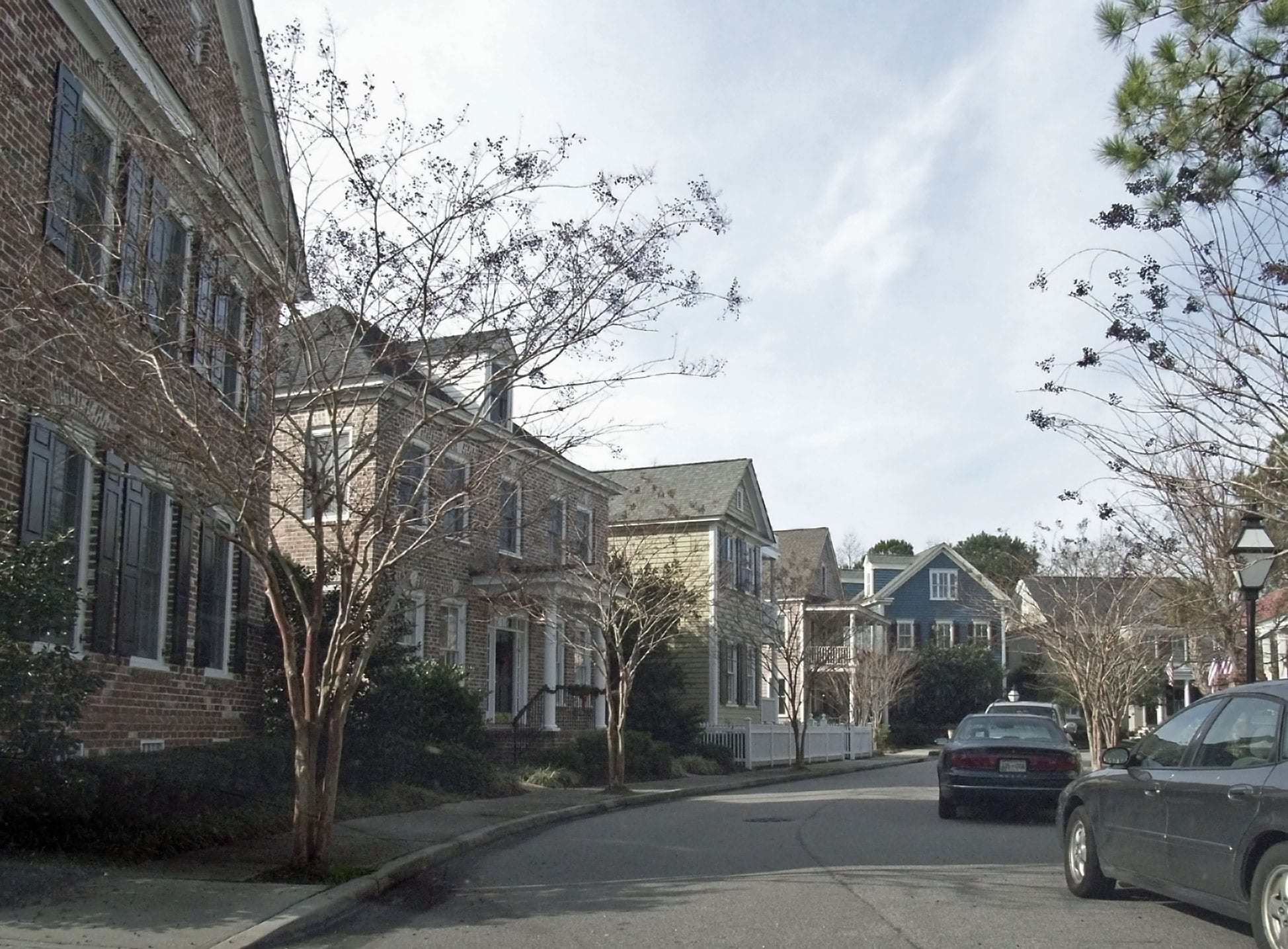
The developer of I’On, a planned neighborhood on Mount Pleasant’s Jordan Tract, has won its court fight against a voter referendum that sought to undo the project’s zoning.
In an opinion filed today, the S.C. Supreme Court unanimously held that zoning decisions cannot be made through the initiative and referendum process that state law gives municipal voters. The court affirmed Circuit Judge R. Markley Dennis Jr., who struck down the proposed referendum after a nonjury trial.
“This case raises the novel issue of whether zoning by initiative and referendum is allowed in South Carolina,” Justice John H. Waller Jr. wrote for the court.
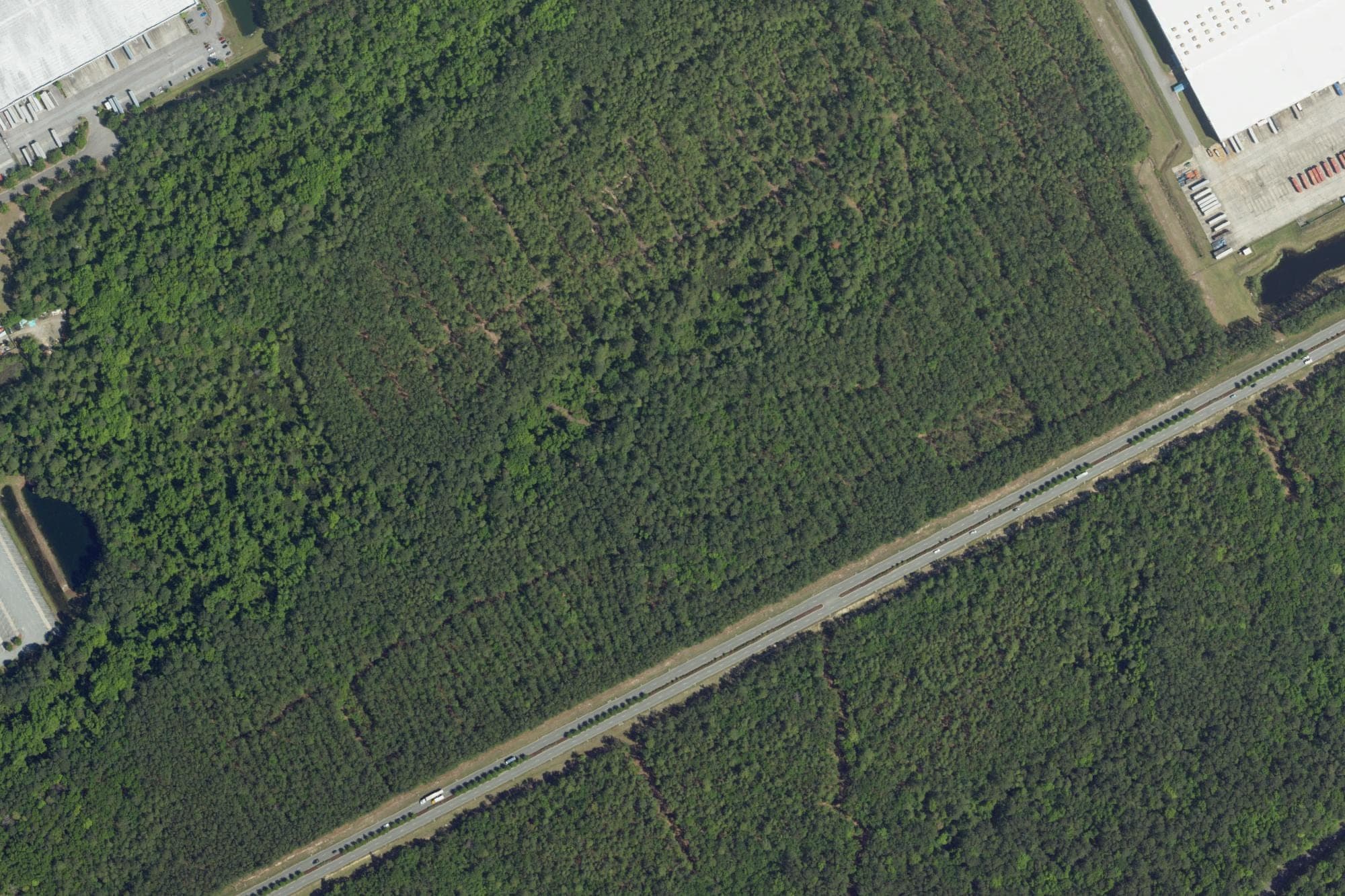
The dispute began in 1995, when the developer, I’On LLC, formerly known as The Graham Company, asked the town to rezone the 243-acre tract from R-1, a mostly single-family designation, to planned development, which allows homes and commercial uses together. The developer wanted to build a more traditional neighborhood with a variety of development, including commercial sites, according to the opinion. Town Council denied the request 5-4. The developer modified the plan and resubmitted it, and council approved the rezoning 6-3 on March 11, 1997.
Opponents then collected signatures from some 4,500 residents on a petition to restore the R-1 zoning, and county voter registration officials certified it in July 1997. The developer sued, seeking to keep council from acting on the petition. In August 1997, council voted 6-3 to reject the petition’s ordinance and instead placed a revised version on the ballot for a special election set for that November. The ballot question described the tract as bordered by Hobcaw Creek and Mathis Ferry Road.
The justices said the state’s detailed zoning procedures, which require public hearings and allow appeals, cannot be squared with the “relatively free-ranging” referendum process. Zoning by referendum, they wrote, “ultimately could nullify a carefully established zoning system or master plan developed after debate among many interested persons and entities, resulting in arbitrary decisions and patchwork zoning with little rhyme or reason.”
James A. Renneker and Henry G. Thomas IV, who took part in the citizens’ effort to block the project, brought the appeal. Chief Justice Ernest A. Finney Jr. and Justices Jean H. Toal, James E. Moore and E.C. Burnett III joined the opinion.