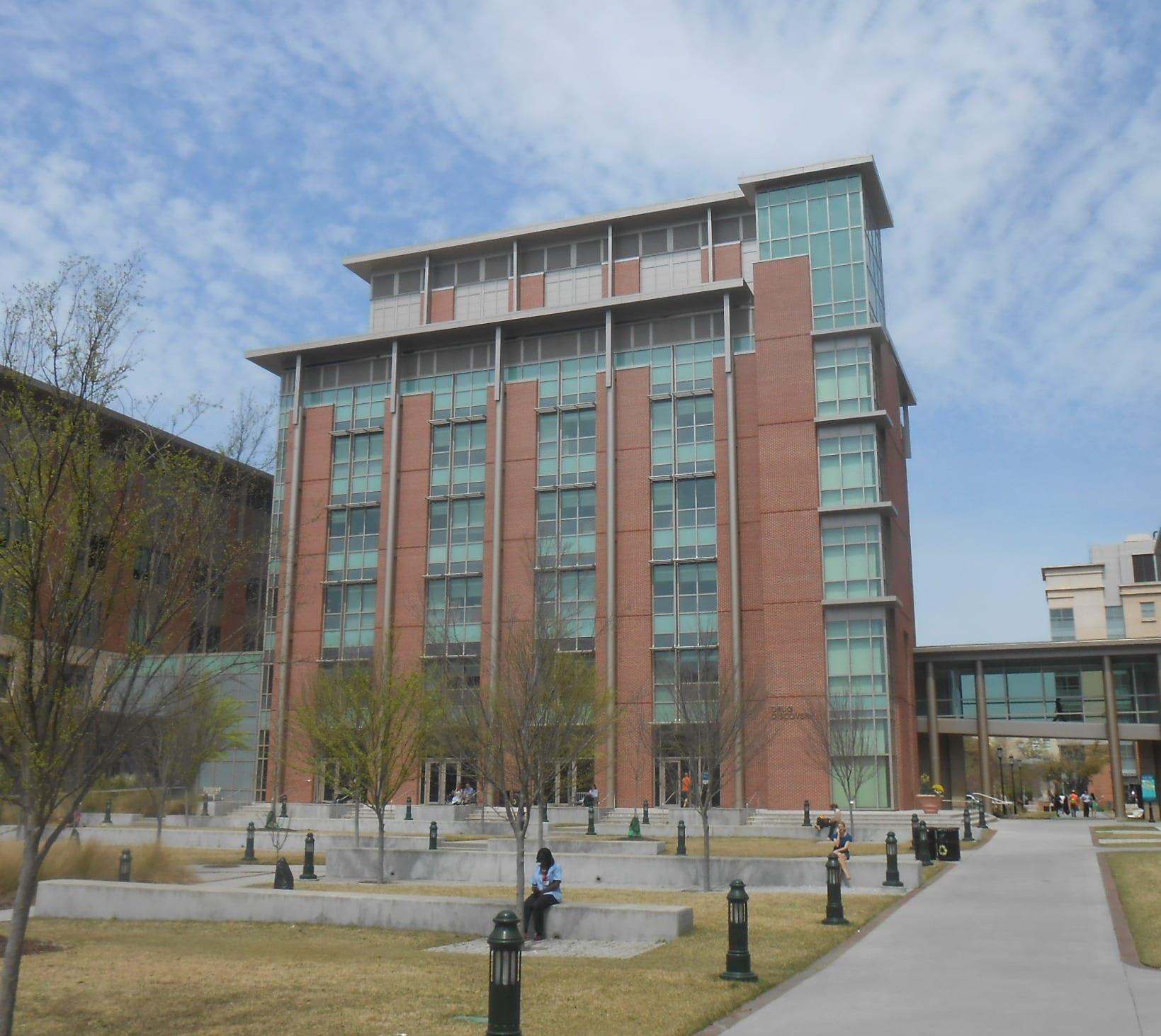
The Medical University of South Carolina formally opens two new research buildings on Friday, when it dedicates the James E. Clyburn Research Center on its downtown Charleston campus.
The $120 million complex has two buildings, a Drug Discovery Building and a Bioengineering Building, with 78 labs, The Post and Courier reported. Together they hold more than 200,000 square feet of research space on what had been a parking lot on President Street, according to the newspaper.
Researchers from MUSC, Clemson University and the University of South Carolina will work side by side in the center. The ceremony is by invitation only, and U.S. Rep. Jim Clyburn, D-S.C., is scheduled to speak, MUSC spokeswoman Heather Woolwine told the newspaper.
Who paid for it
The state’s Research University Infrastructure Act covered $74 million of the cost, and the remaining $46 million came from a variety of federal and private sources, The Post and Courier reported in August, when MUSC announced the name.
MUSC President Dr. Ray Greenberg said then that Clyburn did not bring in private money or federal funds for construction of either building. Clyburn did help bring in about $20 million in federal money to support research on health disparities at the university, Greenberg said. That money will pay for 19 research projects over three to four years, focused on high rates of disease, disability and death in rural, low-income and minority communities.
“We named the research complex (rather than the individual buildings) in honor of Congressman Clyburn because of his leadership, at both the state and national levels, in helping to address health issues, and in particular, disparities in health,” Greenberg said, according to the newspaper.
Clyburn said the buildings will help address health care needs “through drug discovery to treat chronic conditions and technology that will improve the ability to remotely diagnose and monitor patients in rural communities.”
“I am very proud to have my name associated with these efforts, and I am humbled that MUSC chose to honor me in this way,” he said, according to The Post and Courier.
Built for teamwork
MUSC officials have said most research teams used to work alone. The new buildings were designed to change that, with many labs connected so teams can collaborate and move discoveries to patients faster, the newspaper reported.
Every bit of space in the complex is already assigned, Woolwine told The Post and Courier, and prominent researchers were drawn to MUSC in part by the promise of new, well-equipped labs.
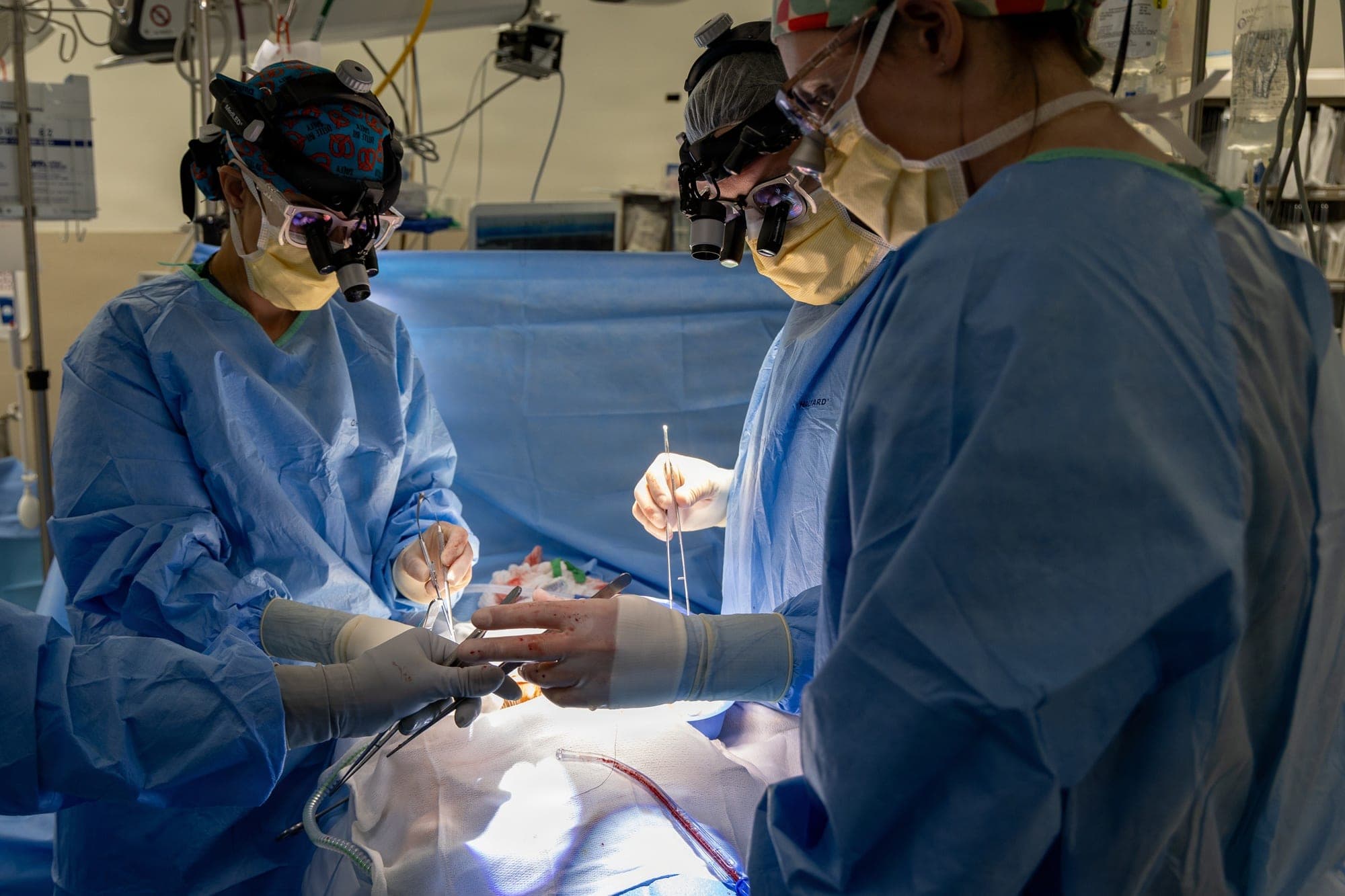
Among the first tenants is a team led by MUSC researcher Martin Morad, which moved into the bioengineering building in September. The group is coaxing adult stem cells to become heart cells, work that could one day lead to a fix for heart rhythm problems without pacemakers. Other planned work includes brain imaging, tissue engineering, a “living” cochlear implant to help restore hearing, and new drugs for cancer and other diseases, according to the newspaper.
Sarah Haviland, a doctoral student in Morad’s lab, said the new buildings give researchers much more space and make collaboration easier, the newspaper reported.
An economic development bet
MUSC has pitched the complex as an economic development project as well as a research one. University officials say the added space should spur growth in the region and help MUSC compete for federal grants.
When MUSC first laid out plans for a drug discovery building in 2007, then-Provost Dr. John Raymond told The Post and Courier the goal was to let academic researchers develop drugs that large pharmaceutical companies ignore because they are unlikely to bring big profits. Spinoff companies could carry the work further, he said. Eleven such companies had come out of the university in the previous decade, according to the newspaper.
Under that model, university researchers would do early-stage drug discovery, which usually costs less, and then pass their work to drug companies with more money to invest, the newspaper reported. An institution has to “be committed to doing it for decades” to succeed, Raymond said.
Kenneth Tew, a Hollings Cancer Center researcher who develops cancer drugs, said then that he could not estimate what MUSC might earn from drug development, but that “over 10 years, I’d be shocked if there was nothing.”
The 2007 plan also called for the drug discovery building to be followed by a bioengineering building and, several years later, a building devoted to patient research.