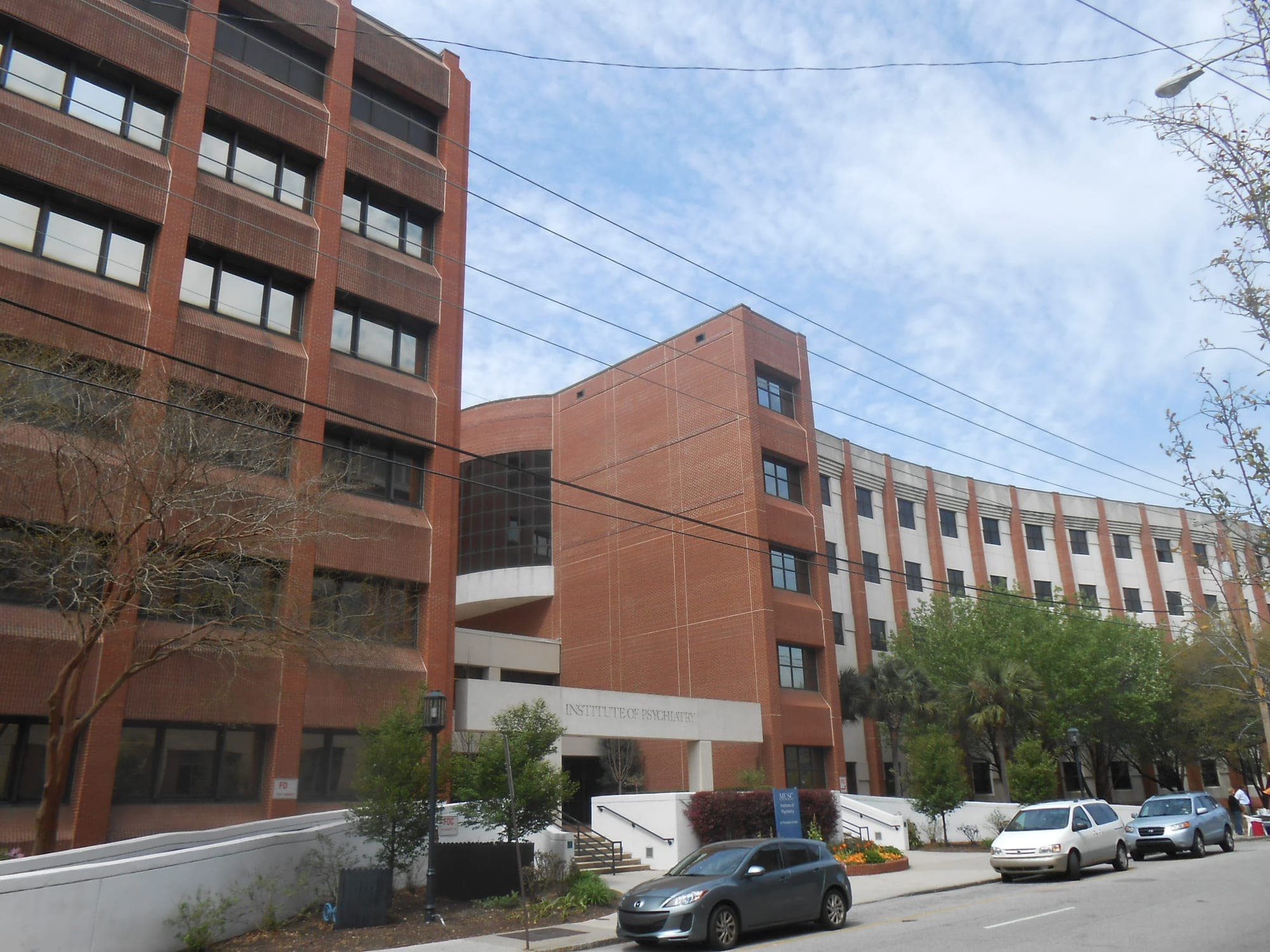
Researchers at the Medical University of South Carolina are leading a five-year, $16.4 million study aimed at getting a family-based therapy to more teenagers who have experienced trauma and are struggling with or at risk for substance use, MUSC said Oct. 28.
The Patient-Centered Outcomes Research Institute, known as PCORI, is funding the study, which is led by MUSC researchers Rochelle F. Hanson and Michael R. McCart, according to MUSC. The project began Sept. 1.
The study, called PRISE, will test ways to put Risk Reduction through Family Therapy into practice. MUSC describes the therapy as an approach that addresses both PTSD symptoms and substance use in adolescents ages 13 to 18 who have experienced physical or sexual assault, and that involves their caregivers. The study builds on clinical trials led by Carla Kmett Danielson, a professor of psychiatry and behavioral sciences at MUSC, to establish the therapy’s effectiveness.
Over five years, the researchers will work with 60 child advocacy centers across the country to compare strategies for carrying out the treatment, MUSC said. Partners include Ohio State University, the University of Washington and the National Children’s Alliance, which trains and supports child advocacy centers. The first phase runs through June 2027, followed by about three and a half years of recruitment, data collection and work with families.
“There’s opportunity to take this work that we’ve been doing for decades and conduct a large-scale nationwide evaluation that would promote greater access to this evidence-based treatment,” McCart said in MUSC’s announcement.
“Caregivers just don’t know what to do,” Hanson said. “They get frustrated.”
MUSC highlighted a second adolescent substance use research program this month. On Oct. 19, MUSC said Dr. Kevin Gray, chairman of its Department of Psychiatry and Behavioral Sciences, is the principal investigator and program director for a five-year national career development program for child and adolescent psychiatrists. The program, funded by the National Institute on Drug Abuse and administered by the American Academy of Child and Adolescent Psychiatry, received more than $7.5 million in federal grant funding, MUSC said.