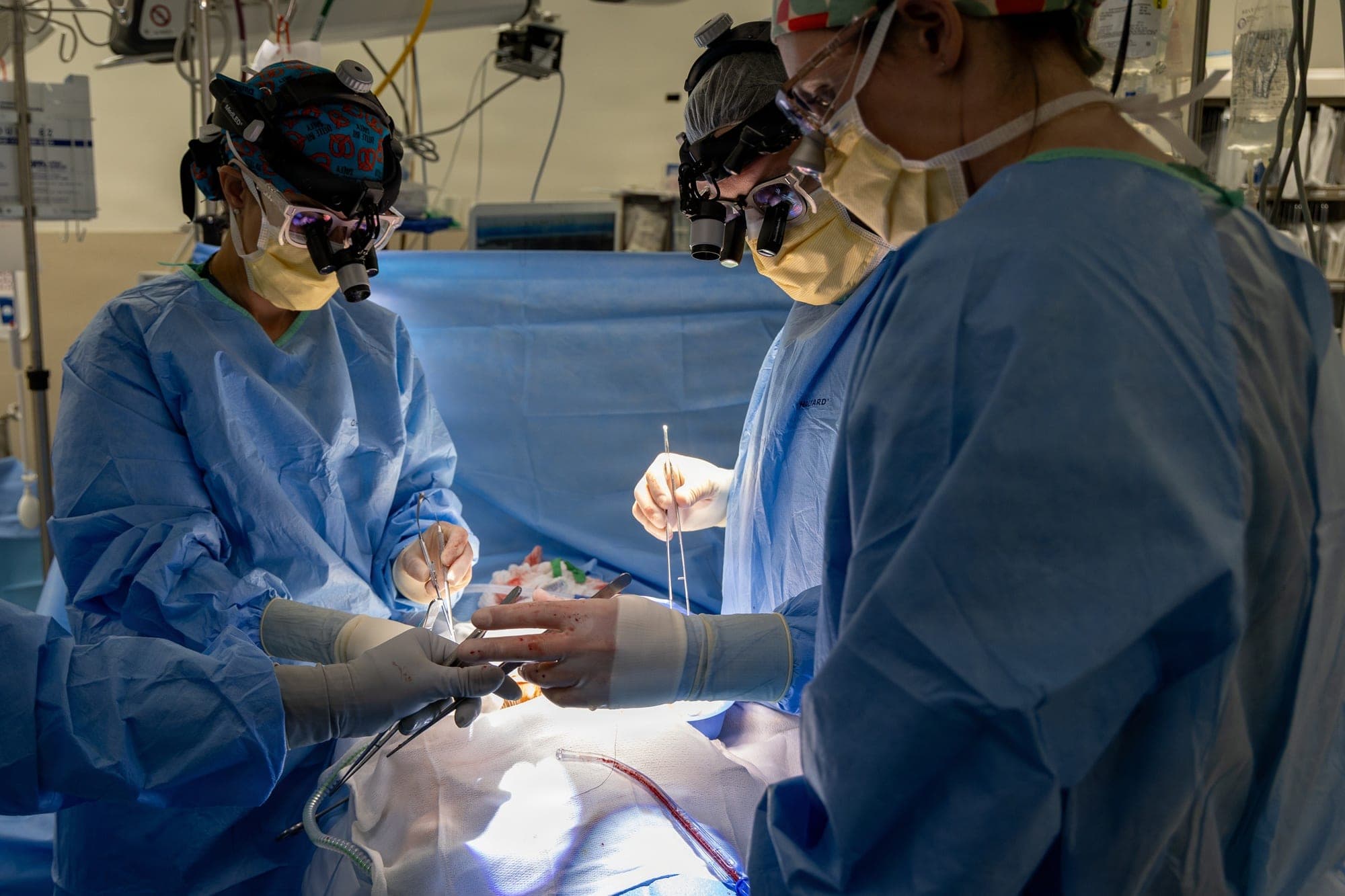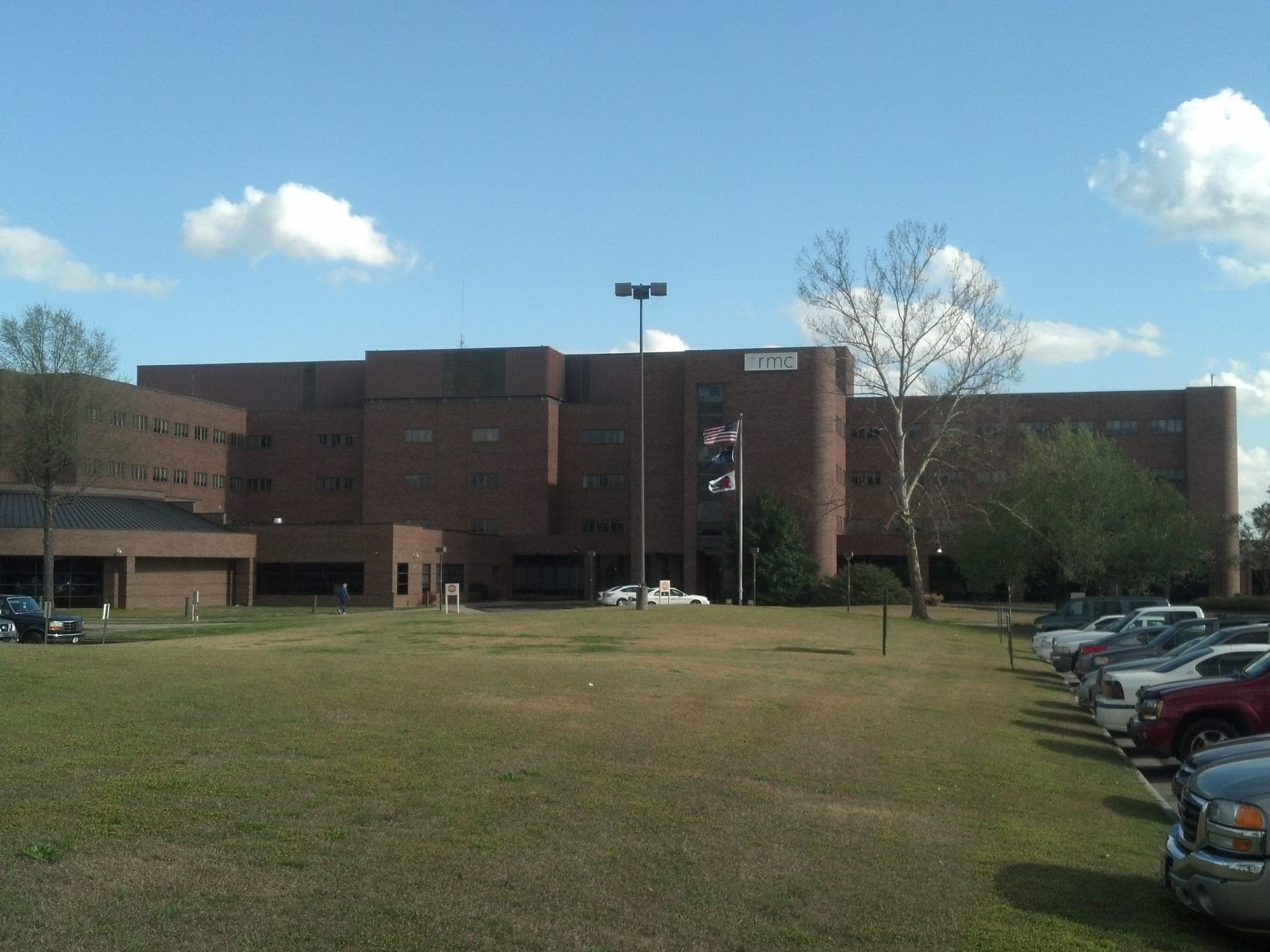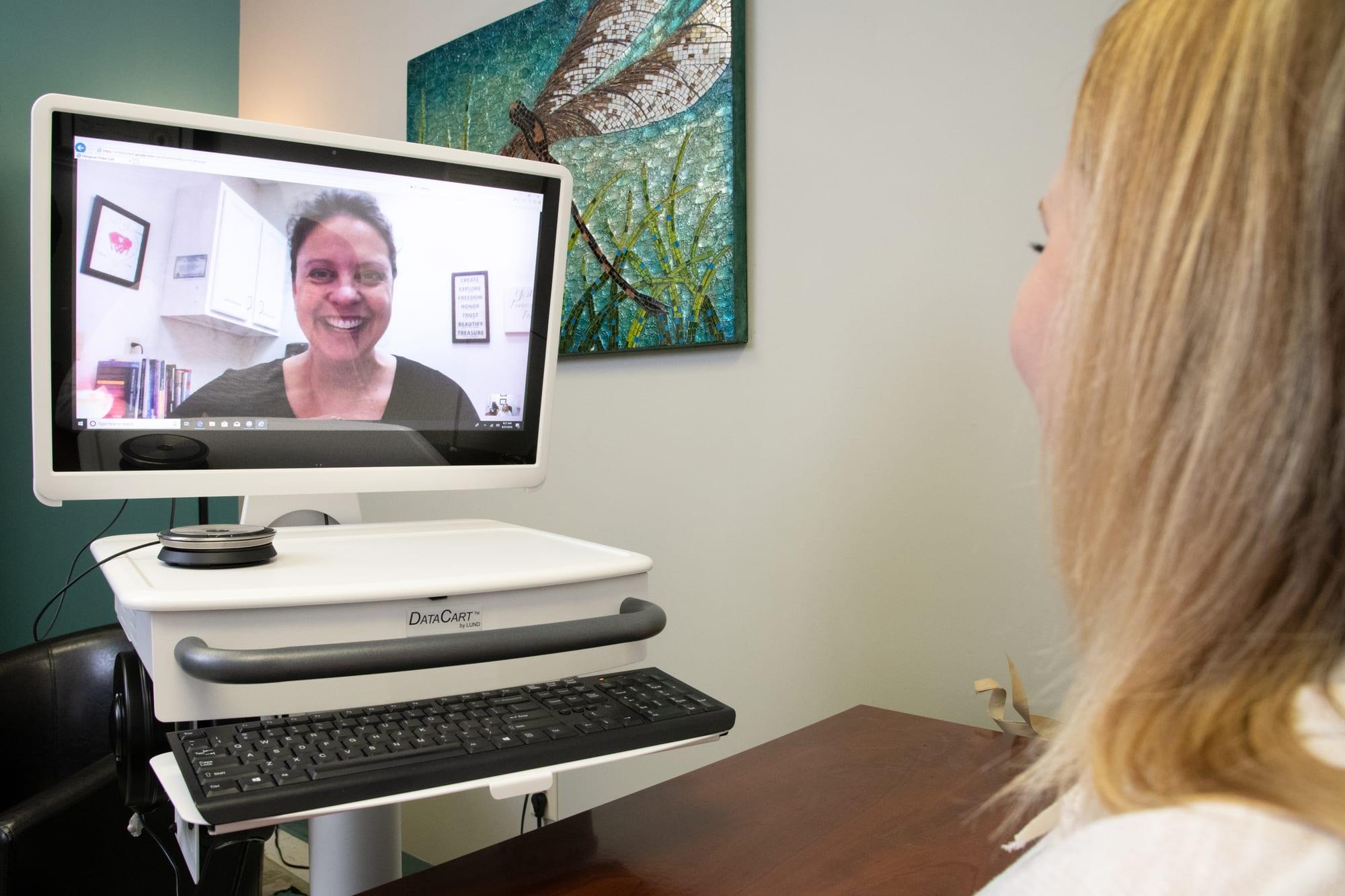
Leaders at the Medical University of South Carolina showed off the hospital’s new Center for Telehealth on Tuesday, demonstrating how its doctors reach patients across the state without asking them to come to Charleston.
The center was recently named one of two Telehealth Centers of Excellence in the country, The Post and Courier reported.
The designation came with federal money. The Health Resources and Services Administration, part of the U.S. Department of Health and Human Services, awarded MUSC a $600,000 Telehealth Center of Excellence grant on Sept. 18, according to federal spending records. The University of Mississippi Medical Center received a grant under the same program.
The center’s offices opened in April on the second floor of MUSC’s main hospital, according to the newspaper. It was largely built with millions of dollars in support from the S.C. Legislature.
Lawmakers have backed the effort for years. In the 2014 fiscal year, the General Assembly put $4 million into MUSC’s telemedicine project through a budget proviso, The Post and Courier reported in December 2013. That same month, the Duke Endowment committed $1.4 million to a program letting smaller hospitals around the state tap MUSC’s intensive care specialists remotely, according to the newspaper.
“We think (telemedicine) is the way of the future to support and help retain clinicians in rural areas,” Dr. Pat Cawley, then chief executive of the Medical University Hospital, told the newspaper at the time.
Doctors on the screen
MUSC experts demonstrated several ways the technology is already in use, The Post and Courier reported.
In some South Carolina schools, MUSC physicians can see children by video. A child who goes to the nurse’s office with an asthma attack can be seen by an MUSC doctor without being pulled out of school, and without a parent leaving work.
South Carolina has a shortage of psychiatrists, and patients admitted to an emergency department sometimes wait days for a psychiatry appointment. Psychiatrists with the S.C. Department of Mental Health now give those consultations remotely at 26 emergency department sites across the state, according to the newspaper.
A mobile crisis program equips some emergency personnel to do a mental health evaluation in the field. The goal is to let that evaluation happen before the person is taken to an emergency department, cutting costs for the hospital and the patient.
“The local county DMH office could schedule an appointment for that patient the very next day,” said Michael Haschker, the technology team manager.
Savings behind the walls
Prisons are another setting. When an inmate needs care, three security officers must escort the inmate to the appointment, typically on overtime pay, the newspaper reported.
Shawn Valenta, MUSC’s telehealth program director, said the health system has partnered with the S.C. Department of Corrections so MUSC physicians can see those patients virtually at all hours.
MUSC stroke specialists can also evaluate patients by video within minutes of their arrival at a hospital. Shaving minutes off the response matters because the sooner a clot is removed, the less brain damage a patient suffers. A stroke collaboration between MUSC and Roper St. Francis is already in full swing, according to the newspaper.
Opioid care for pregnant women
Dr. Connie Guille, an MUSC psychiatrist, leads a program that lets her see pregnant women who are addicted to opioids. She connects with the women in their obstetrics and gynecology offices across South Carolina and can prescribe medications to help them curb their opioid use, The Post and Courier reported.
Federal records show the grant period began Sept. 30, and that MUSC and the Mississippi medical center received the program’s only two awards.