A congressional panel came to the Medical University of South Carolina on Monday to take up a question that has hung over Charleston’s medical district for nearly three years: whether the Department of Veterans Affairs should build its next Charleston hospital alongside MUSC, and partly with it.
The House Veterans’ Affairs Subcommittee on Health held the field hearing in the Thurmond/Gazes Research Building at 114 Doughty St., a research building MUSC shares with the VA.
Rep. Henry Brown of South Carolina’s 1st District, the subcommittee’s chairman, presided. He was joined by Rep. Steve Buyer of Indiana, chairman of the full Veterans’ Affairs Committee, and Rep. Mike Michaud of Maine, the subcommittee’s ranking member.
How the idea started
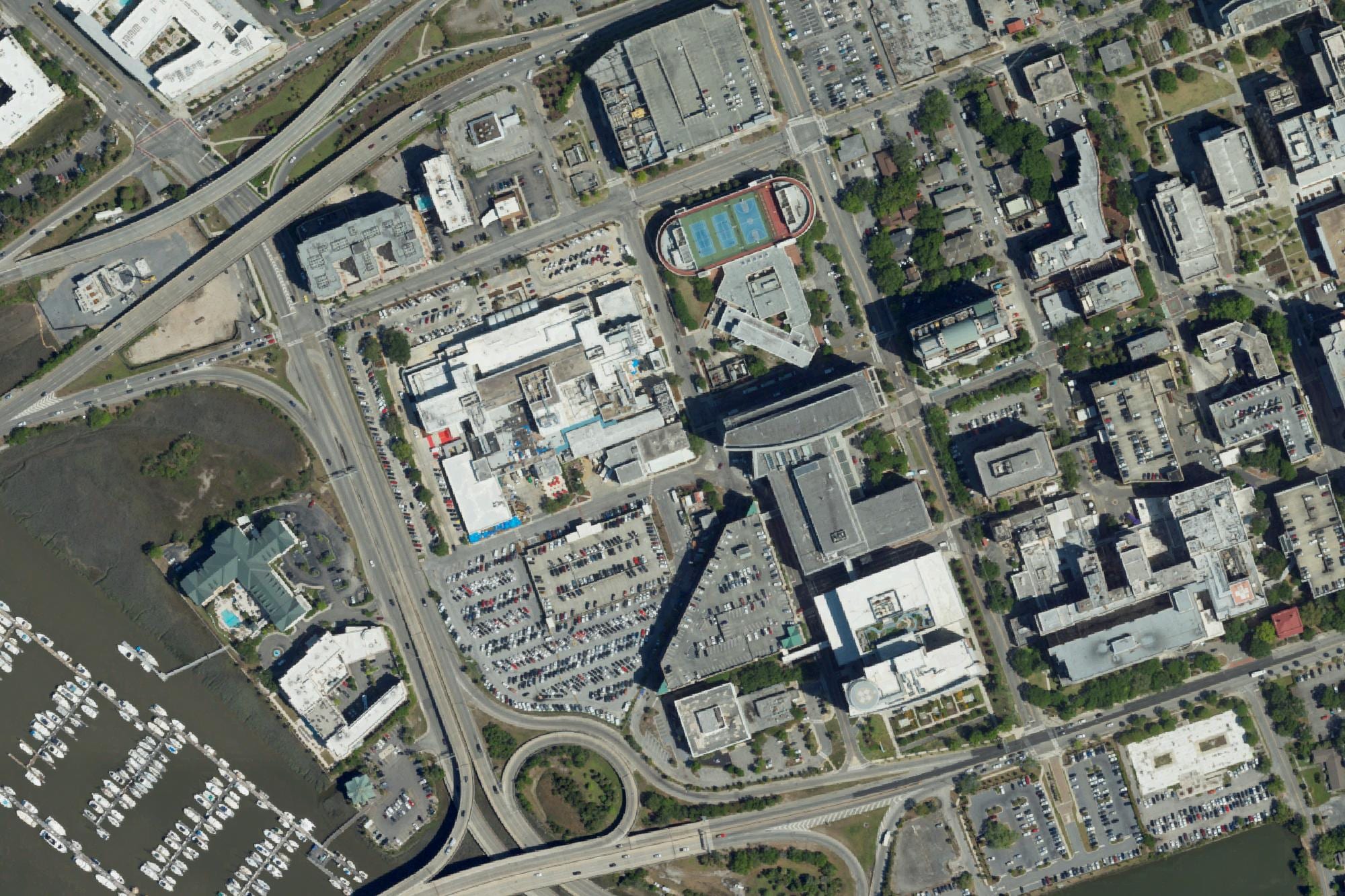
The proposal dates to November 2002, when MUSC’s president proposed to the secretary of veterans affairs that the VA join a multiphase plan to replace and expand MUSC’s campus, said Mark L. Goldstein, a director at the Government Accountability Office. Under the plan, MUSC would acquire the site of the current VA hospital for its own expansion, and the two would build and operate a new VA facility on MUSC property.
In February 2004, the CARES Commission, an independent panel that assessed VA facilities, did not recommend replacing the Charleston hospital but said the VA should promptly evaluate MUSC’s proposal, Goldstein said.
Goldstein said the VA and MUSC had “collaborated and communicated to a limited extent” on the idea, and that before this summer they had not exchanged critical information such as cost analyses. The two have since set up four working groups, on clinical integration, governance, finance and legal matters, said MUSC President Raymond S. Greenberg.
The money involved
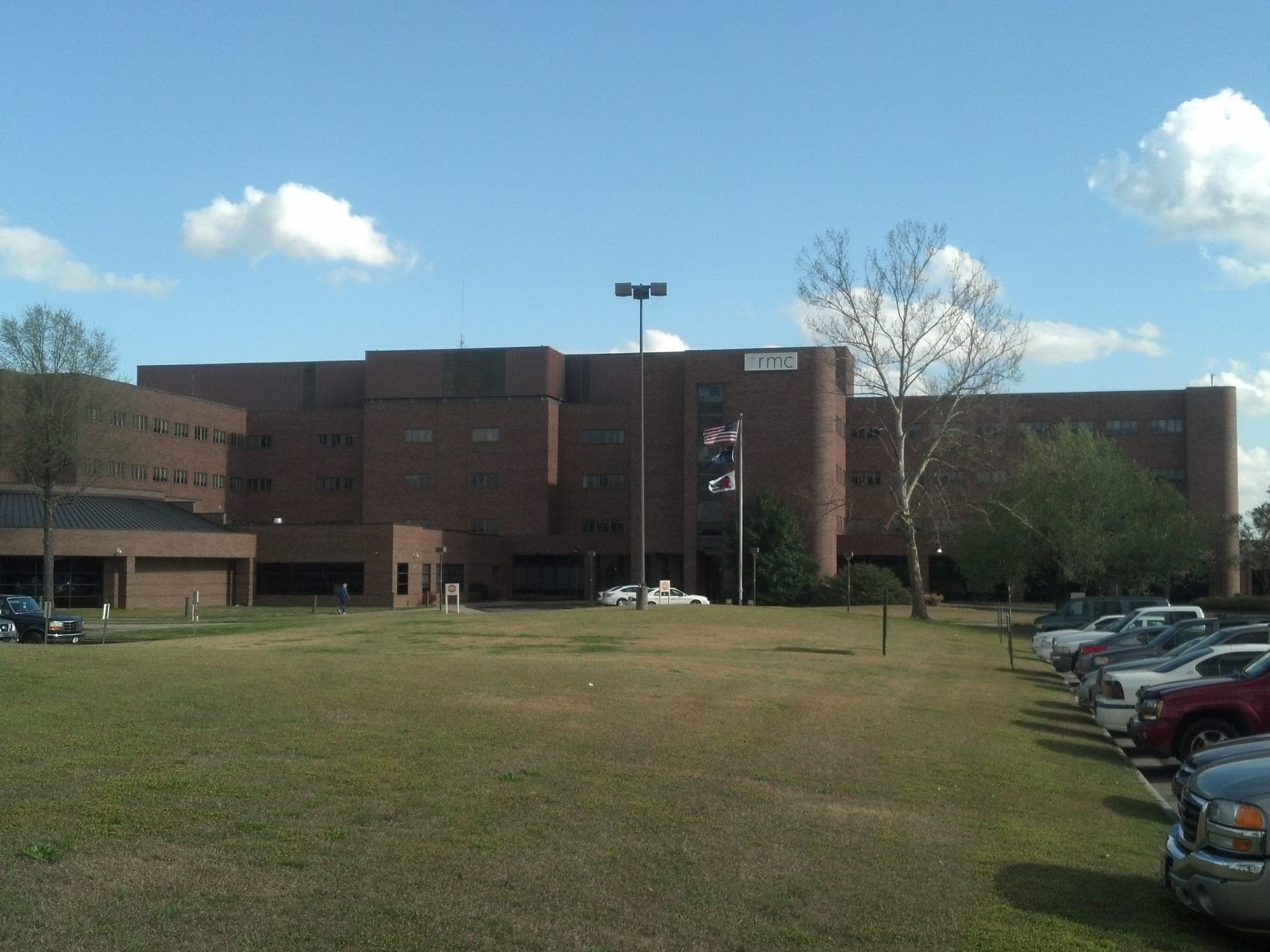
The VA’s most recent facility assessment and the CARES Commission found the VA hospital in good overall condition, Goldstein said. Officials there plan about $62 million in maintenance and improvements over the next 10 years, including electrical upgrades and a patient parking deck.
“The VA says that a new replacement facility would be about $185 million, but it is unclear what that facility would include at this point,” Goldstein told the panel.
William A. Mountcastle, director of the Ralph H. Johnson VA Medical Center, said the VA buys about $13.5 million in services from MUSC, not counting residency costs. Brown said 243 physicians with MUSC faculty appointments treat veterans at the VA hospital, more than 95% of its physician staff.
MUSC is already building. The first phase of its replacement hospital is under construction across the street from the VA, financed by the U.S. Department of Housing and Urban Development, Greenberg said. An enhanced-use lease the VA recently signed allowed MUSC to begin that work, said Tim McClain, the VA’s general counsel.
MUSC’s pitch
Greenberg said both hospitals were designed 40 to 50 years ago and cannot handle the size and complexity of modern medical equipment. He also said the VA hospital sits on low-lying land beside a tidal river and predates current wind, flood and earthquake standards.
“We do not want to take over running the Veterans’ Administration Hospital, we do not think that is appropriate,” he said.
He proposed a dedicated veterans’ tower, prominent VA identity on its building, equal or preferred access for veterans to shared facilities and every consideration for VA employees.
MUSC can go ahead without the VA if it must, Greenberg said. Its trustees determined that the 16 acres MUSC already owns are enough for every phase of its hospital plan, and a financial feasibility study shows the university “should be able to move forward independently,” he said.
“We just think it makes much more sense to work in partnership with the VA,” he said.
Caution from Washington
McClain said any joint project would have to fit the VA’s long-range construction plans, and he warned that hurricanes Katrina and Rita could raise building costs.
“All options must be fairly evaluated before taxpayer dollars are committed to any major construction project,” McClain said.
Charleston Mayor Joseph P. Riley Jr., whose city rewrote its zoning and height rules to fit MUSC’s campus plan, endorsed the idea. He called it an opportunity that “can become a new national model for the future for how the VA can give even greater, more splendid care to those who risk their lives for our country.”
Buyer called talk of a “land grab” unfortunate. “This throw-back of old that I am going to build my own hospitals wherever I want, my own fiefdoms and mausoleums, I think is in a different age,” he said.
Veterans want answers
Clarence “Mac” McGee of the American Legion said the question veterans and their families ask most often is, “Will this remain a Department of Veterans’ Affairs hospital?”
“The fear is that VA will be swallowed up by the much bigger medical facility and lose its personal touch with the veterans,” McGee said.
Brown said the subcommittee is only exploring the idea, and he plans to hold public meetings in Charleston. Meanwhile, he said, the VA opened a temporary outpatient site on the Trident medical center complex on Sept. 13, and a clinic being built at the Naval Weapons Station in Goose Creek is targeted to open in 2008.
No decision came out of the hearing. Until all the issues are explored, Goldstein said, “it will be difficult to make a final decision on whether a joint venture is in the best interest of the federal government and the nation’s veterans.”