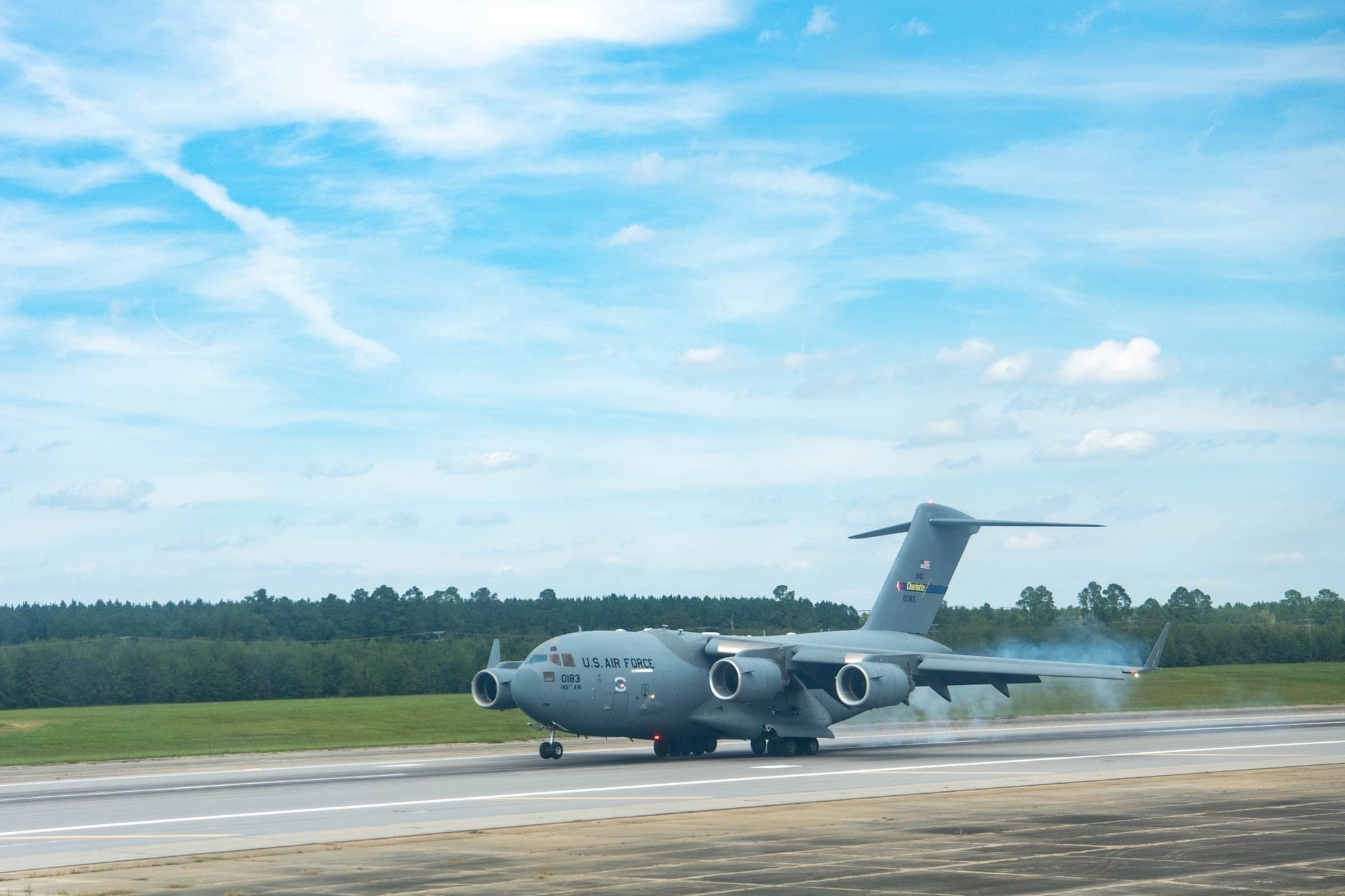
Charleston Air Force Base and Naval Weapons Station Charleston are now one installation.
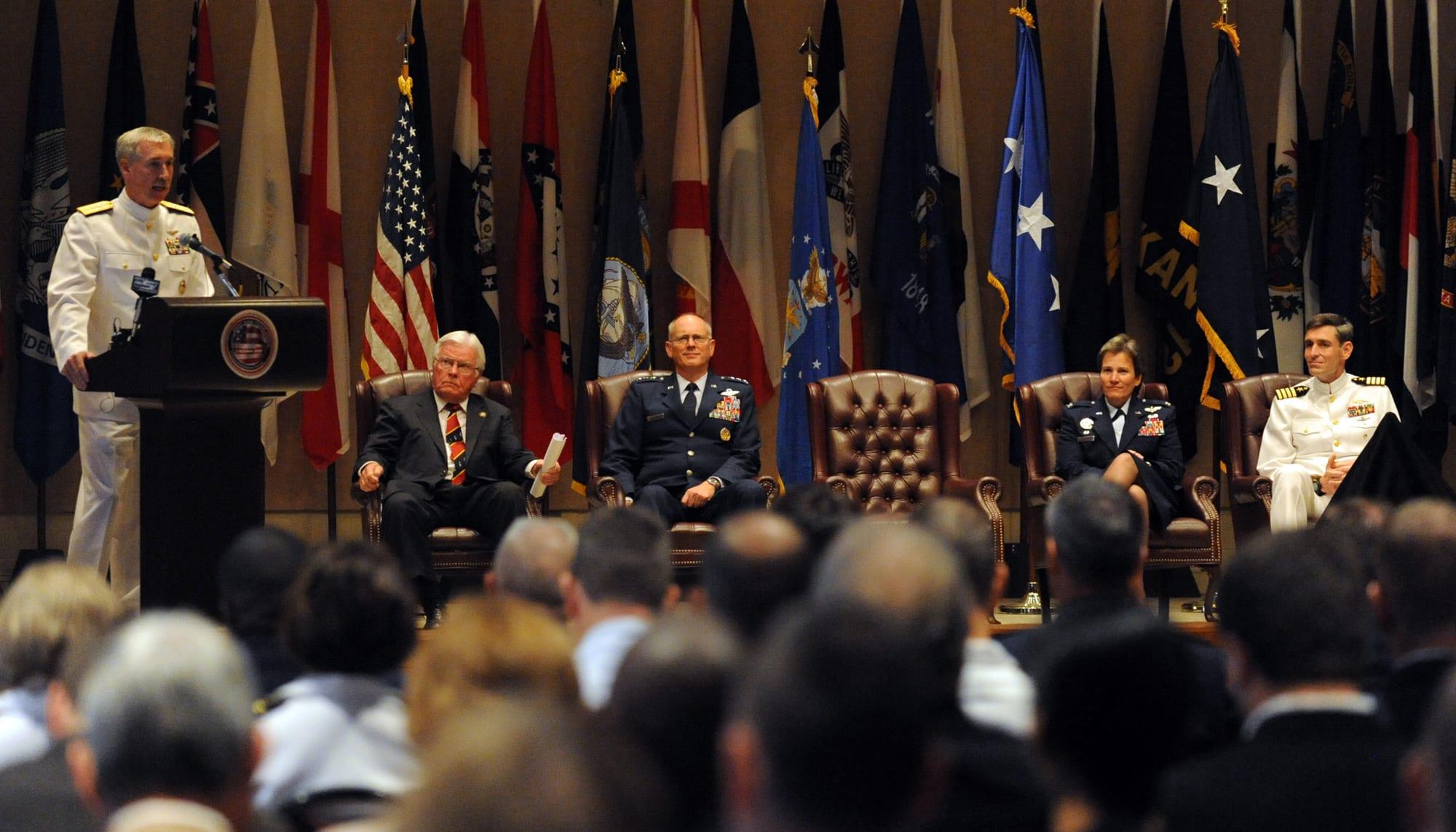
The two bases were formally inaugurated as Joint Base Charleston on Friday, according to the base. The ceremony marked the joint base’s full operational capability, the final step in a merger that resulted from the 2005 Base Realignment and Closure program.
Air Force Lt. Gen. Robert Allardice, commander of 18th Air Force, and Navy Rear Adm. Tim Alexander, commander of Navy Region Southeast, officiated at the ceremony on the Weapons Station. U.S. Sen. Lindsey Graham and U.S. Rep. Henry Brown Jr. were among the guests, the base said. An open house for the base and the surrounding community followed.
“My point here is that this installation is absolutely critical to our nation,” Allardice said, according to the base’s account of the ceremony. “It doesn’t matter where we have to execute military operations in the world today, we can almost be assured that this particular installation will be involved.”
One landlord for two bases
The Air Force’s 628th Air Base Wing is now the host unit for both the Air Base and the Weapons Station. The wing was activated Jan. 8, and the two bases reached initial operating capability under it Jan. 31, according to the base.
The wing will provide base support for about 80,000 people, the base said, including active-duty and Reserve service members, civilian government employees, contractors, military family members and retirees.
That support covers housing and facilities maintenance, security, child care, public works, communications, finance, logistics, medical support, personnel, legal services, food service, contracts and recreation, according to the base.
Air Force Col. Martha Meeker commands the joint base. Navy Capt. Ralph Ward, the deputy commander, also commands a new unit, Naval Support Activity Charleston. The restructuring put naval port operations at the Weapons Station under the Air Force’s 628th Logistics Readiness Squadron, the base said. The structure of the other tenant units on the base is unchanged.
Charleston is one of 12 joint bases the Defense Department is establishing through the 2005 base closure program, according to the base. Units of the Air Force’s Air Mobility Command will host three of them, including Charleston.
The ceremony also inactivated Naval Weapons Station Charleston, which had served as host unit for the Navy installation since it took that name in 1965. Alexander traced its history to a naval ammunition depot commissioned about a month before the attack on Pearl Harbor.
A busy freight hub
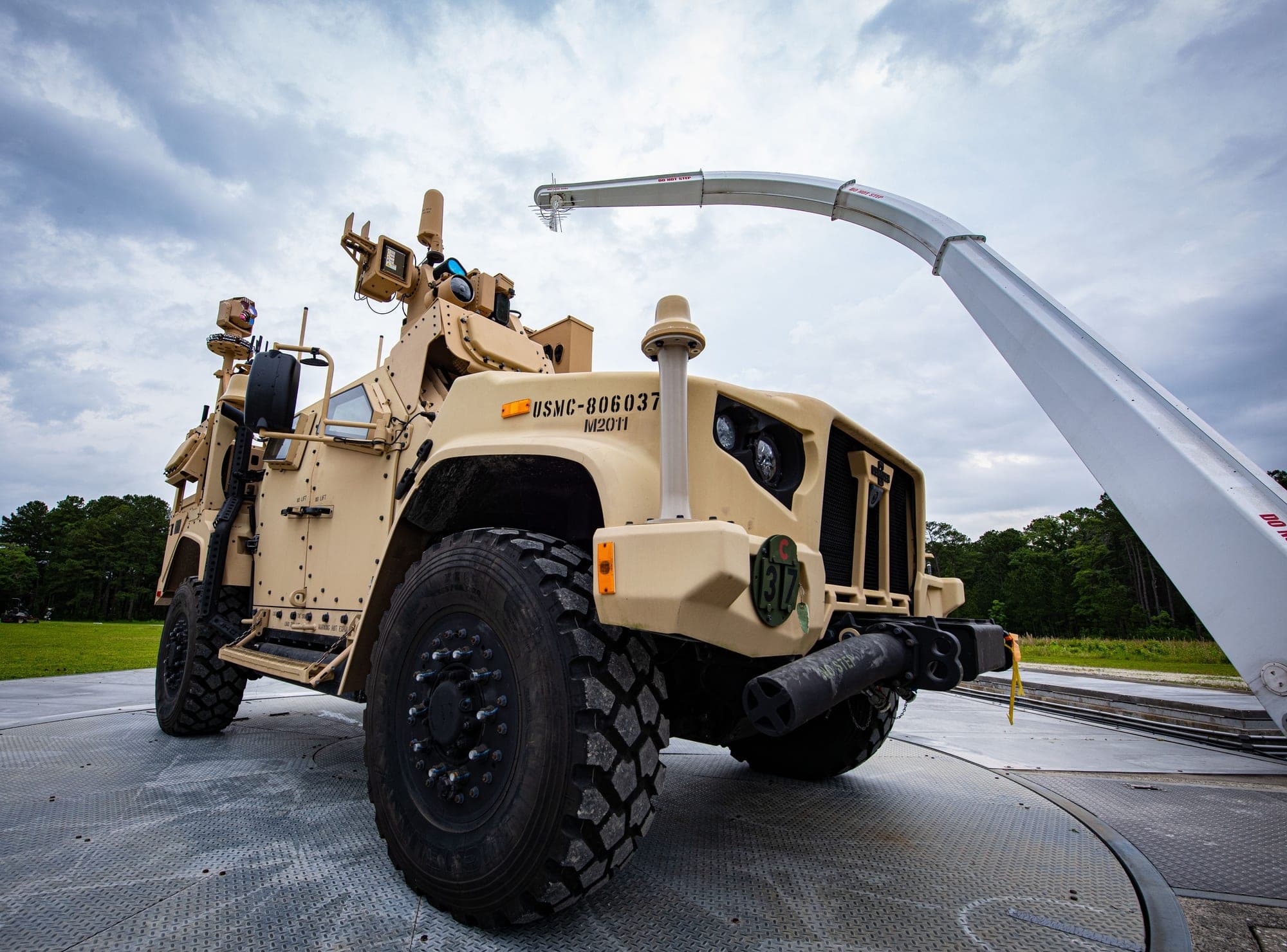
Allardice said that over the past nine months, the joint team working under U.S. Transportation Command helped add 30,000 troops and their equipment in Afghanistan, drew down more than 100,000 people from Iraq and moved 7,000 mine-resistant, ambush-protected vehicles, known as MRAPs, through Charleston’s air and sea ports. The base also responded to humanitarian crises in Haiti, Pakistan and Chile, according to the base.
“Virtually every single MRAP has passed right through this port,” Allardice said.
More than half of the Army’s combat support equipment used in Iraq came through the Weapons Station, and Army and Marine Corps prepositioning units operate there, according to the base’s account of Alexander’s remarks.
The installation’s reach goes beyond cargo. Allardice pointed to the Navy’s nuclear power training on the Weapons Station, with nearly 4,000 students going through training. He said just about “anyone entering the nuclear force comes right through Joint Base Charleston.” He also cited the Space and Naval Warfare Systems Center on the base, which he said has an impact on nearly every part of the military.
A nod to the civilian workforce
Alexander thanked the station’s civilian employees, many of whom have spent most or all of their careers at the base.
“While military members come and go, the civilian workforce has been a constant source of professionalism and continuity from year to year,” he said.
He also thanked the Navy League, other civic organizations and individual residents for their support. “Patriotism is clearly woven into the fabric of this community,” he said.
Allardice credited the base’s leaders with a nearly seamless transition.
“In a very short time, Joint Base Charleston has become a shining example of a one team, one fight philosophy that has proven to be so successful for our military all over the world,” he said.