Eighty companies and organizations signed up to hear the Navy’s pitch for a Charleston production contract that it estimates at more than $500 million and as much as $1 billion.
Naval Information Warfare Center Atlantic, the Navy engineering command based on the Naval Weapons Station at Joint Base Lindsey Graham, formerly Joint Base Charleston, held a virtual conference for prospective bidders on Oct. 22. On Oct. 29, it posted the slides, its written answers to bidders’ questions and the sign-up list on the federal contracting site SAM.gov. The list shows 167 people, from defense giants such as Lockheed Martin, Leidos and General Dynamics Mission Systems to small firms.
The contract would pay one company to produce and deliver the command, control, communications, computer, cyber, intelligence, surveillance and reconnaissance systems that the Navy calls C5ISR, along with the networks and support equipment that go with them. The command gave the dollar estimate in a notice first posted Sept. 29.
NIWC Atlantic surveyed the market for the work in December 2024. The command’s September industry forecast listed it as a 10-year corporate production supply contract worth $250 million or more.
What gets built
The command describes the in-house operation behind the contract, its C5ISR production service center, in three words on its conference slides: “We build things.”
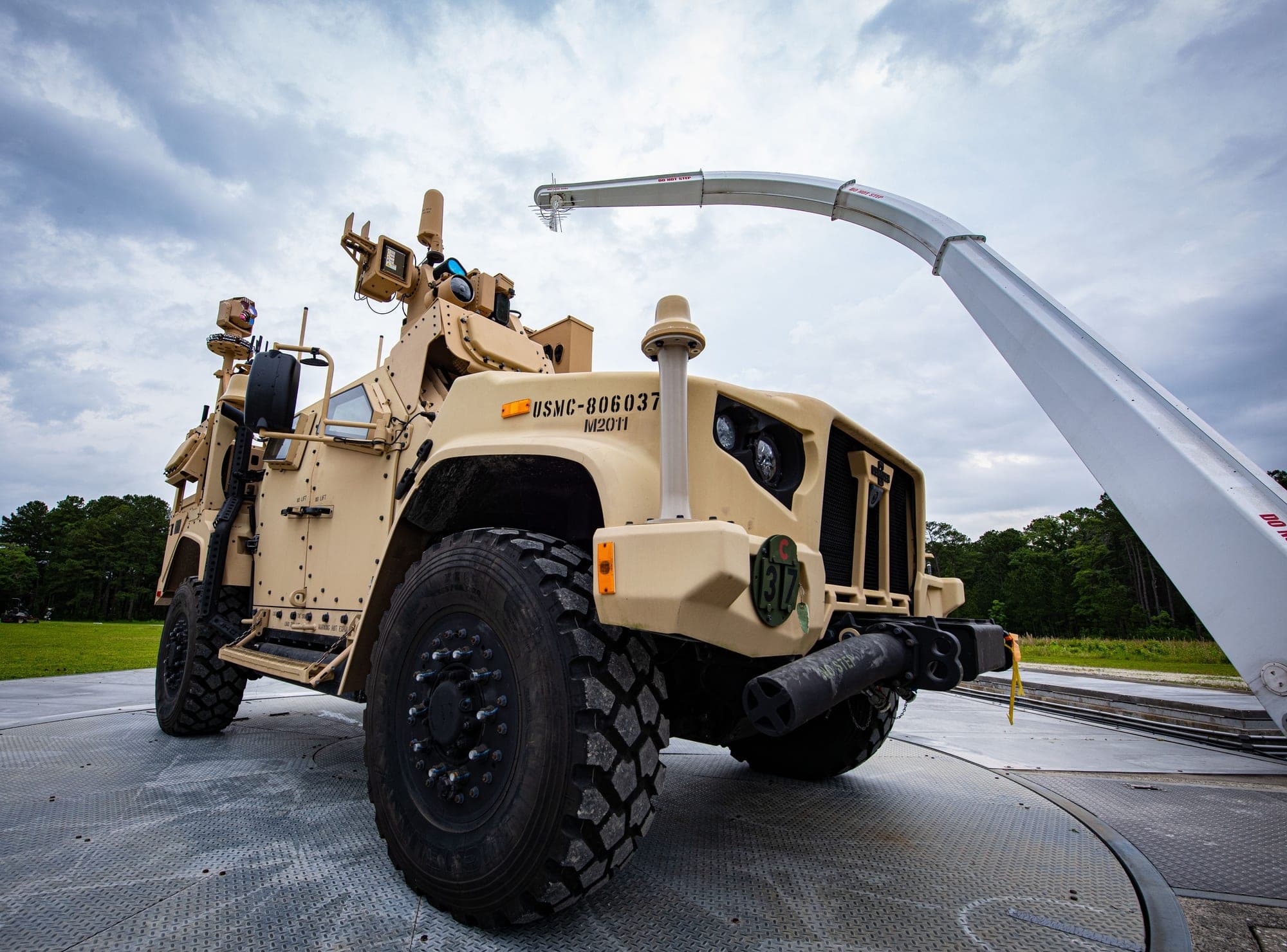
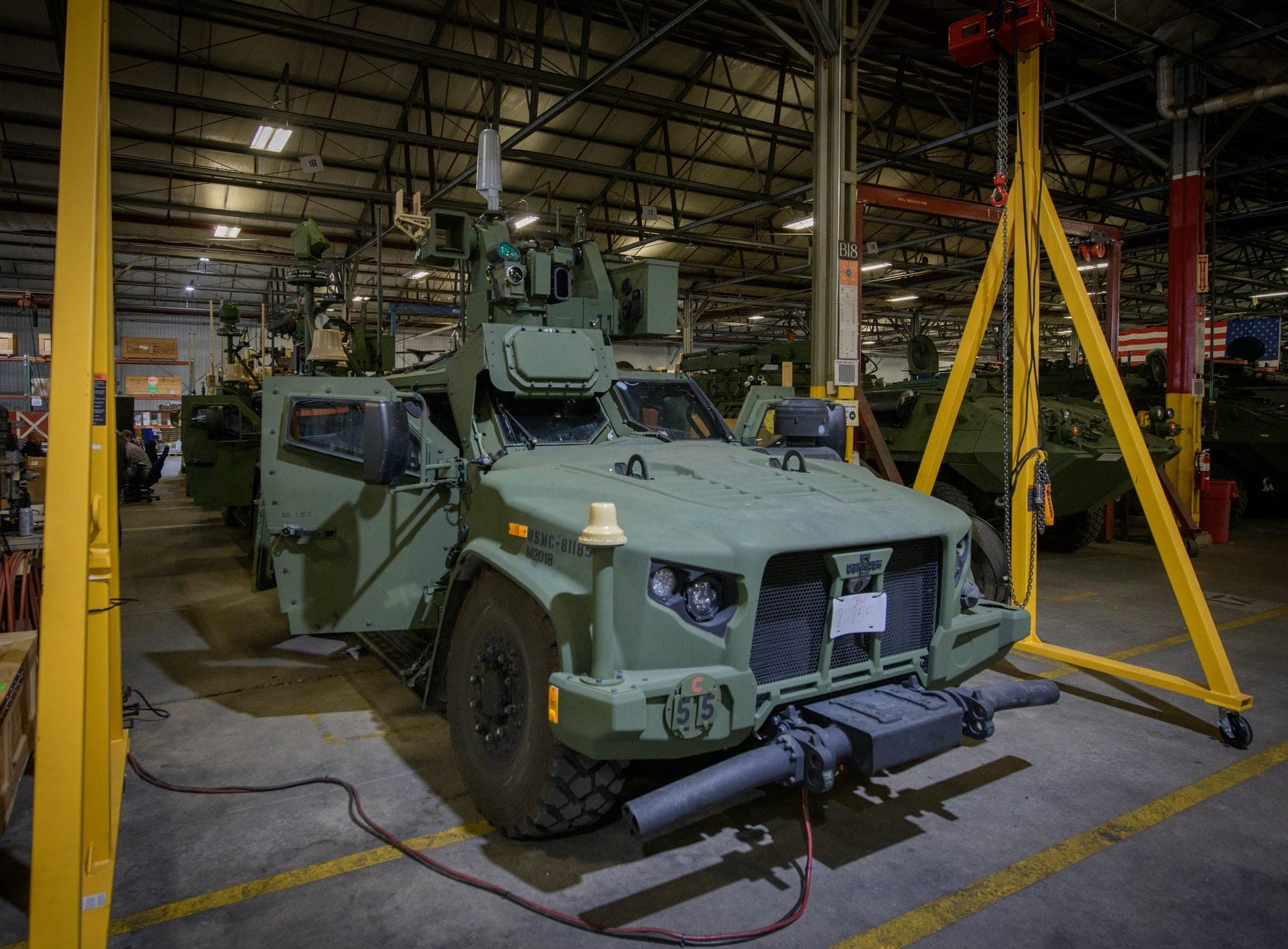
Under a draft statement of work posted Oct. 14, the contractor would assemble systems designed by Navy program offices. They include multi-rack communications systems for the radio rooms of Los Angeles, Virginia, Seawolf and Ohio class submarines, network racks for the Navy’s CANES shipboard network, weapons control system racks for Arleigh Burke class destroyers, aircraft carriers and amphibious ships, and field-deployable communications gear for special operations. The slides also describe integrating C5ISR gear into military vehicles for the Marine Corps, Army, Air Force and special operations forces.
The production work now runs $80 million to $100 million a year, depending on sponsors’ funding, and is split nearly evenly between the command’s Expeditionary Warfare and C4I departments, according to the slides. The command plans for 40 delivery orders a year. The operation’s cable fabrication averages about 21,000 cables a year, and its ship and shore integration work produces more than 40 equipment racks a year.
Production contractors have historically averaged the equivalent of about 250 full-time workers on the job at any given time, the draft says.
A factory floor near Charleston
The contract comes with a real estate requirement: the winner must have 300,000 square feet of production floor space within 50 miles of NIWC Atlantic within 30 days of the award, according to the draft. The space must be environmentally controlled and access controlled, with shipping and receiving, according to the slides. It can be spread across more than one building, the Navy said in its answers.
One bidder asked whether the Navy would accept space within 50 miles of other big Navy hubs, such as San Diego or Norfolk, Virginia, noting that few vendors have facilities that meet the requirement. The answer was no.
“Production requirements are the responsibility of the CAEI IPT, which is located at NIWC Atlantic in Charleston, SC area,” the Navy wrote, referring to the command’s integrated product team for the work.
Most workers will need at least a Secret clearance, and some work could require Top Secret, according to the slides. The Navy also expects bidders to complete a Level 2 self-assessment under the Pentagon’s Cybersecurity Maturity Model Certification program before the award.
The incumbent
Science Applications International Corp. does this work now under a single-award contract with NIWC Atlantic, the Navy said in its answers. That contract was signed in August 2018 after drawing four offers. It has a potential value of about $832 million and runs through August 2028, according to USAspending.gov, which shows about $625 million obligated on 215 delivery orders so far.
The Navy says the new contract is not a direct follow-on to SAIC’s. The work “has changed significantly from the previous requirements,” it wrote. Among the differences, production is expected at numerous overseas locations and in classified environments at multiple sites, neither of which was part of SAIC’s contract. Three people from SAIC registered for the conference.
The bar to compete is high. Bidders must show three contracts from the last five years, each with at least $75 million invoiced for producing and delivering integrated C5ISR systems, and at least one must have been performed as the prime contractor, according to the slides. Companies asked the Navy to count large contracts for other kinds of work, or to measure experience by workforce size instead of dollars invoiced. The Navy said it does not intend to make either change.
The contract is open to companies of any size. It calls for fixed-price and cost-plus-fixed-fee orders over a five-year base period, with a five-year option. The Navy will choose the highest technically rated proposal, then confirm that its price is fair and reasonable.
What comes next
The command estimates it will issue the formal request for proposals in the first quarter of fiscal 2027, which ends in December, though its September forecast had listed January. It plans to give bidders 30 days to respond. It anticipates making the award in the fourth quarter of the fiscal year, which runs from July through September 2027.
The terms could still shift. The Navy posted draft solicitation documents on Oct. 14 and said in its answers that it is considering changes to all aspects of the draft.